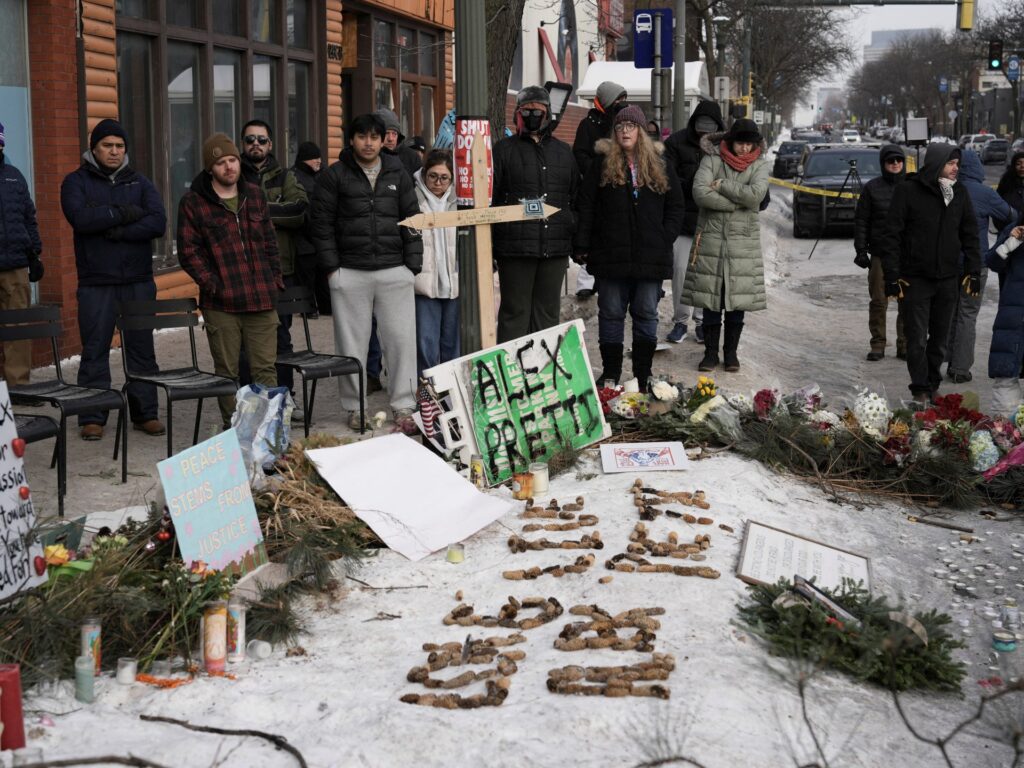
In the wake of a tragic incident that resulted in the death of a citizen named Pretti, the Minnesota governor has called for the immediate removal of federal immigration agents from the state. The incident has intensified scrutiny on the Trump administration’s immigration enforcement policies, which are facing growing criticism nationwide.
Pretti was reportedly killed during an operation involving federal immigration agents, raising serious concerns about the methods and oversight of immigration crackdowns under the current administration. The governor’s demand reflects a broader debate about federal immigration enforcement and its impact on local communities.
Critics argue that the aggressive tactics used by federal agents not only jeopardize community safety but also strain relationships between immigrant populations and law enforcement. They contend that the presence of federal agents has led to heightened fear among residents, making them less likely to cooperate with local authorities, which undermines public safety efforts.
The Minnesota governor’s stance adds to a series of responses from various state and local leaders who are increasingly demanding greater oversight, transparency, and accountability in immigration enforcement activities. This incident has become a flashpoint for discussions on immigration reform and the balance between federal authority and state sovereignty.
Supporters of the Trump administration’s approach maintain that strict enforcement of immigration laws is necessary to uphold national security and public order. However, the death of Pretti has sparked protests and calls for a reevaluation of the policies guiding federal immigration operations.
The controversy highlights the complex challenges faced by communities on the front lines of immigration enforcement. There is a growing call for policies that prioritize both the rule of law and the protection of human rights, seeking solutions that can ensure safety while respecting civil liberties.
As the debate unfolds, the Minnesota governor’s demand for the withdrawal of federal immigration agents serves as a catalyst for a national conversation on the future of immigration enforcement in the United States. The incident underscores the urgent need for a comprehensive review of current practices and for exploring alternatives that promote justice and community trust.
In conclusion, the killing of Pretti by federal immigration agents has ignited significant political and social discourse about the role of federal authorities in local immigration matters. The Minnesota governor’s response exemplifies the growing resistance to current enforcement tactics and the demand for a more humane and effective immigration system.