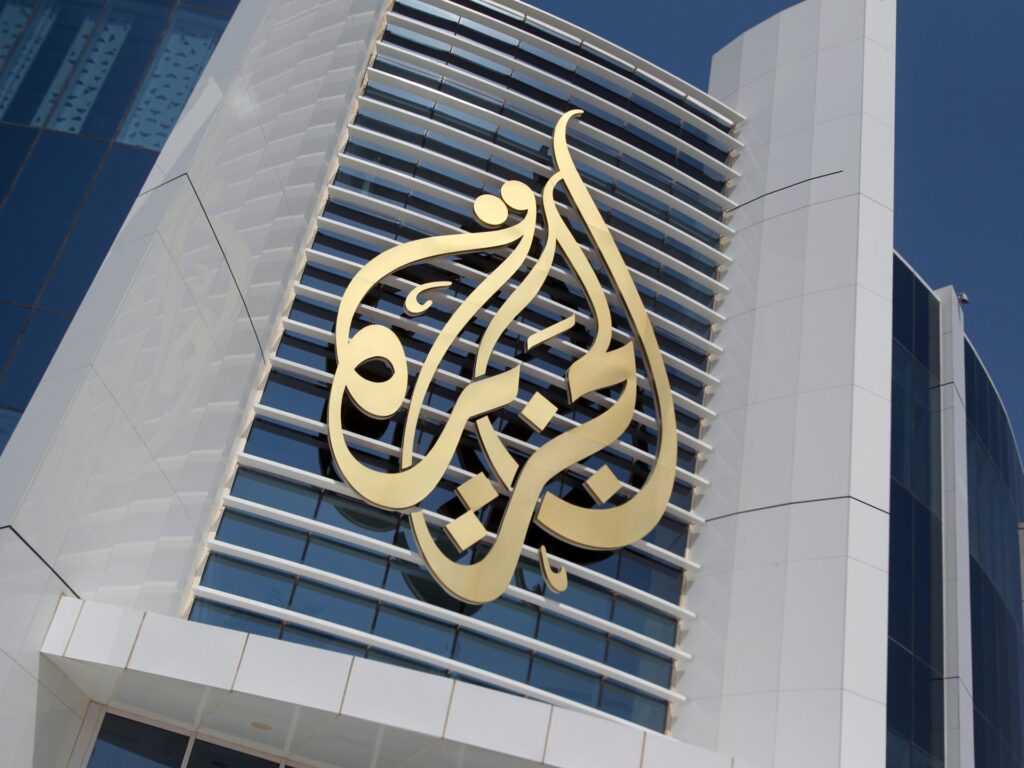
Israel has announced an extension of its ban on Al Jazeera’s operations within the country by an additional 90 days. The move, effective since May 2024, continues to bar the renowned international news network from operating on Israeli soil. Israeli authorities justified the decision by citing national security threats, a claim that Al Jazeera has consistently denied.
The original ban was enacted in May 2024 when Israel declared that Al Jazeera posed a significant threat to its national security. This led to an immediate suspension of the network’s official activities and broadcasts in the country. The Israeli government accused the channel of biased reporting and alleged that its content incited hostility against the state.
Al Jazeera has strongly rebutted these accusations, stating that it operates under strict journalistic standards and principles. The network argues that its coverage is impartial and that the ban is a direct attempt to silence media scrutiny and restrict freedom of press in the region.
The extension of the ban highlights ongoing tensions between the Israeli government and media entities that cover contentious political and social issues in the Middle East. Israel insists that any media operating within its borders must adhere to national security protocols and avoid content that could fuel violence or unrest.
International press freedom organizations have expressed concern over the ban, warning that such measures may undermine democratic principles of free speech and independent journalism. They have called on Israeli authorities to reconsider the ban and engage in dialogue with concerned media outlets to foster transparency and accountability.
The situation poses a complex challenge as it involves balancing national security interests and the imperative of maintaining open, independent media channels. Analysts suggest that the conflict between Israel and Al Jazeera is emblematic of the broader struggles over media freedom in politically sensitive regions worldwide.
Efforts to resolve the issue remain unclear, with both sides maintaining firm positions. While Israel prioritizes security and the stability of its information landscape, Al Jazeera continues to push for reinstatement and the right to operate without restrictions.
This development also raises broader questions about the role and influence of international media networks in shaping public opinion and political discourse in conflict zones. The ongoing ban reflects the difficulties governments face when addressing media coverage that they perceive as unfavorable or threatening.
As the ban extension takes effect, it remains to be seen how this will impact Al Jazeera’s coverage of Israel and the surrounding region. The network continues to broadcast from outside Israel, striving to provide comprehensive news despite the operational restrictions inside the country.
In conclusion, the extension of the ban on Al Jazeera by Israel underscores the persistent friction between governmental security concerns and the principles of press freedom. It serves as a critical case study in the challenges confronting media organizations operating in politically sensitive and volatile environments.