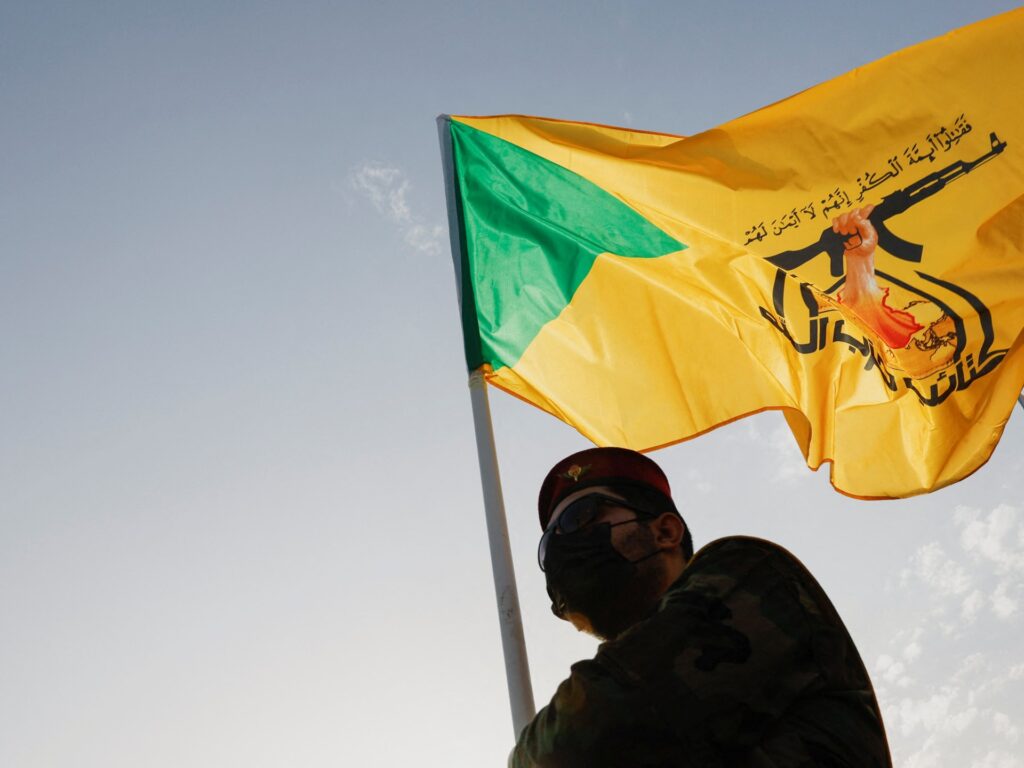
The leader of the Iraqi armed group Kataib Hezbollah, Abu Hussein al-Hamidawi, has issued a stern warning regarding any potential military actions against Iran. He declared that if Iran is attacked, it will trigger a ‘total war’ scenario, emphasizing that such a conflict would not be a ‘walk in the park.’
Abu Hussein al-Hamidawi’s statement underscores the serious stance Kataib Hezbollah takes towards regional security and its commitment to defending Iran as an ally. The group, known for its close ties to Iran and its pivotal role in Iraqi militia networks, signals that any aggression towards Iran would mobilize significant resistance and widespread conflict.
This warning aligns with ongoing geopolitical tensions in the Middle East, where the complex alliances and rivalries can swiftly escalate localized incidents into broader confrontations. Kataib Hezbollah’s message serves as a cautionary note to international actors contemplating military actions in the region.
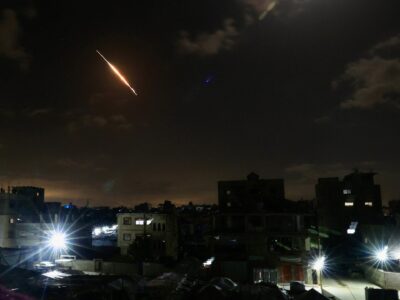
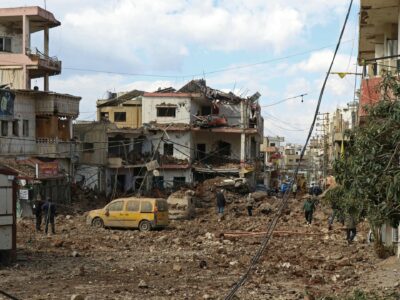
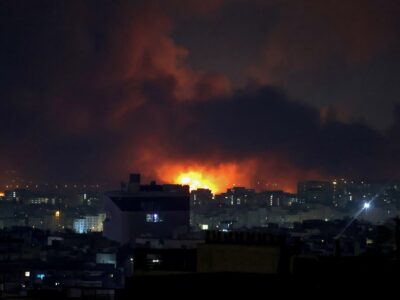
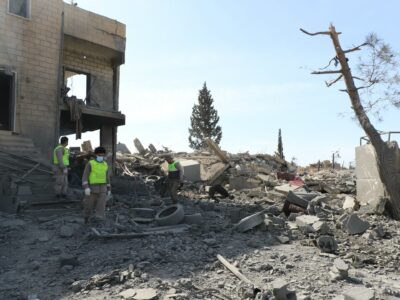
Al-Hamidawi’s rhetoric points to the reality that war in this context would be comprehensive, involving multiple facets of military and possibly asymmetric warfare. Given Kataib Hezbollah’s capabilities and its alliances, the conflict risks extending far beyond conventional battlefields.
The phrase ‘not a walk in the park’ conveys the group’s resolve and preparedness to engage fully to defend Iran, suggesting high stakes for anyone considering hostilities. This pronouncement may be intended to deter potential attacks by highlighting the consequences and the scale of retaliation that would follow.
Kataib Hezbollah’s warning adds a layer of complexity to the already fragile regional dynamics. It reflects the deep entanglements between Iraq, Iran, and other regional and global powers. The militant group’s influence and warning underscore the interconnected nature of security issues in the Middle East.
Iran has faced increasing pressure and threats from various international entities, and groups like Kataib Hezbollah act as strategic extensions of Iranian influence. Their readiness to escalate conflict in defense of Iran exemplifies the broader proxy relationships that define much of the region’s military posture.
Observers and policymakers should take heed of this declaration, as it highlights the potential for rapid escalation amid any future crisis involving Iran. The threat of ‘total war’ signals that conflict would likely engulf multiple fronts and involve a range of actors, complicating diplomatic efforts aimed at de-escalation.
This development arrives amid heightened scrutiny of Iraq’s internal militias and their role in regional security frameworks. Kataib Hezbollah’s position reflects a broader trend where local armed groups retain significant autonomy and influence, capable of shaping outcomes far beyond their immediate territory.
In conclusion, Abu Hussein al-Hamidawi’s warning is a powerful reminder of the volatility in Middle Eastern geopolitics. It stresses that any military confrontation involving Iran will be intensely challenging and far-reaching. All parties must approach the situation with caution and seek diplomatic pathways to prevent catastrophic conflict.