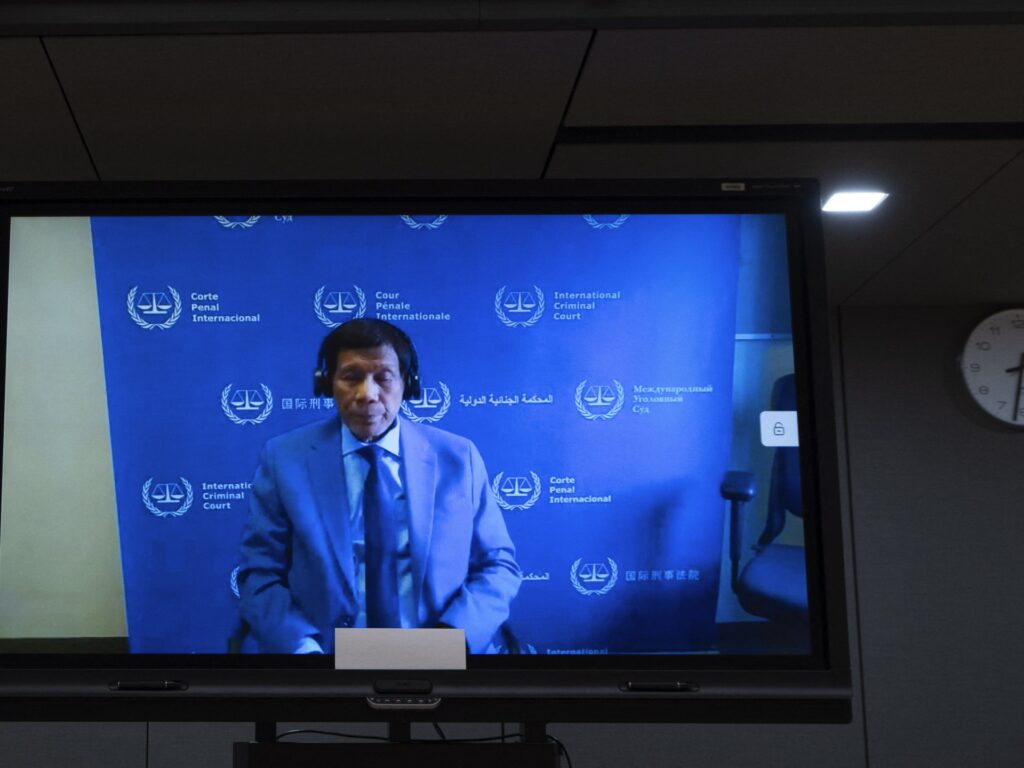
In a significant decision, judges at the International Criminal Court (ICC) have declared former Philippine President Rodrigo Duterte fit to stand trial. The ruling comes after a thorough evaluation by medical experts who assessed the 80-year-old’s mental and physical condition. According to the experts’ report, Duterte is capable of “effectively exercising his procedural rights,” a crucial factor in determining a defendant’s fitness for trial.
The ICC’s decision marks an important development in the ongoing inquiry into alleged human rights violations during Duterte’s presidency. The former leader has faced allegations related to his controversial war on drugs, which critics say led to thousands of extrajudicial killings.
The judges’ ruling ensures that Duterte can actively participate in his defense and engage with legal proceedings without hindrance. The evaluation process included a detailed assessment of his cognitive abilities and overall health status.
Legal analysts suggest that this ruling will pave the way for further developments in the case, potentially leading to a substantive trial phase. It also underscores the ICC’s commitment to upholding fair trial standards, regardless of the defendant’s age or status.
Human rights groups have welcomed the decision, emphasizing the importance of accountability and justice for the victims and their families. Conversely, Duterte’s supporters have questioned the impartiality of the ICC but acknowledged the court’s procedures.
This judgment signifies a critical step in the ICC’s investigation and reflects the court’s rigorous approach to ensuring that all defendants meet the necessary legal standards to face trial. Observers worldwide will be watching closely as the case progresses, given its implications for international justice and governance.
The ICC trial process involves multiple stages, including pre-trial hearings and possible appeals, meaning that although Duterte has been found fit, the path ahead remains complex and carefully monitored.
Overall, the decision reinforces the principle that age and former political power do not exempt individuals from legal scrutiny. The ICC’s determination sends a clear message that justice systems stand firm even in challenging and high-profile cases.