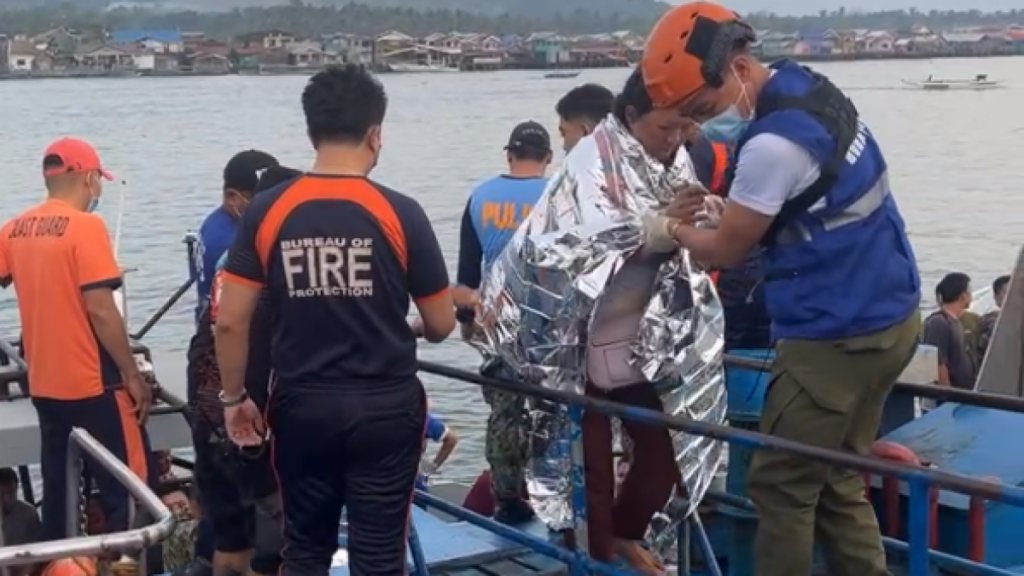
A tragic maritime disaster occurred recently in the Philippines when a ferry carrying over 350 passengers sank. This catastrophic event has resulted in the confirmed deaths of at least 19 individuals, with a rescue operation currently underway. Philippine coastguard officials have reported that rescue efforts have successfully saved at least 317 people from the sinking ferry, showcasing the urgent and effective response of emergency teams.
Despite these commendable rescue efforts, 24 people remain unaccounted for and are still missing. Search operations continue as authorities strive to locate all persons involved in the incident. The ferry, which was reportedly overloaded, faced difficulties that led to its sinking, although the exact cause of the sinking remains under investigation by the maritime authorities.
This incident underscores ongoing concerns over maritime safety regulations in the region, especially regarding vessel capacity and weather conditions. Philippine authorities have been urged to strengthen safety protocols and ensure stricter enforcement to prevent such tragedies in the future.
Families and communities affected by the disaster are currently receiving support from both local government units and non-governmental organizations. Counseling and assistance are being provided to the survivors and the families of those who have perished.
The Philippine government has pledged to conduct a thorough investigation and review of maritime practices following this devastating ferry sinking. Meanwhile, the nation mourns the loss of those who perished and hopes for the safe return of the missing individuals.
This ferry disaster highlights the critical need for improved disaster preparedness and response mechanisms in maritime transport, especially in archipelagic countries like the Philippines where ferry travel is a common mode of transportation for many people.