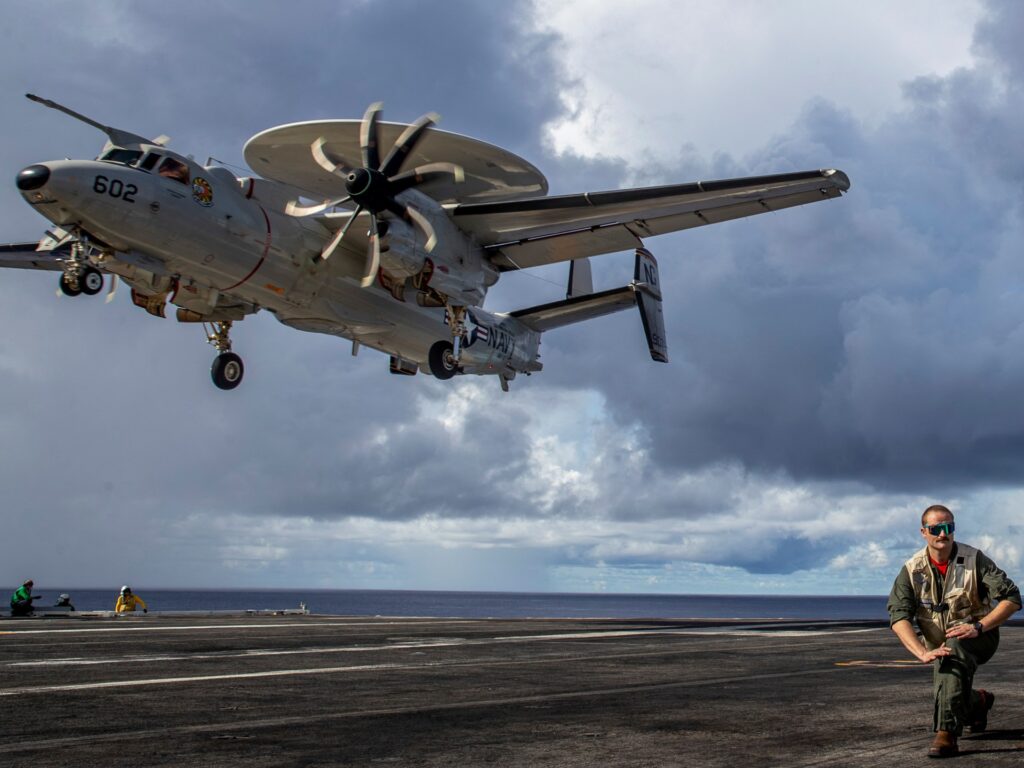
The United States has recently repositioned significant Navy and Air Force assets to the Middle East, escalating concerns about potential military tensions in the strategically critical region. This move comes amid growing geopolitical challenges and amid President Trump’s statement that a US ‘armada’ is heading towards the Gulf, a declaration that has intensified fears of military escalation.
The deployment includes a mix of naval vessels and advanced aircraft, reinforcing US military presence in key areas. This repositioning aims to safeguard American interests, ensure regional stability, and respond to perceived threats, particularly in the Gulf region, a vital global energy corridor.
President Trump’s announcement about the armada heading to the Gulf region has sparked widespread discussion among analysts, diplomats, and governments worldwide. The terminology ‘armada’ suggests a powerful naval force, signaling a show of strength intended to deter adversaries but also raising the risk of heightened military confrontations.
The Middle East continues to be a complex theater with competing interests from various international and regional players. The US has been actively involved in the region for decades, focused on combatting terrorism, protecting allies, and ensuring the free flow of commerce.
The recent build-up follows a period of increased tensions due to incidents like attacks on oil tankers, threats to shipping lanes, and rising hostility between Iran and its regional rivals, notably Saudi Arabia and Israel, backed in part by the US.
Military experts view the deployment as both a strategic deterrent and a preparation for possible contingencies. The Naval assets likely include aircraft carriers, destroyers, and support vessels capable of power projection, while the Air Force elements bring advanced fighter jets and surveillance assets, enhancing situational awareness.
However, critics warn that such a buildup could further destabilize the region and provoke retaliation or miscalculation that might spiral into open conflict. Diplomats are urging restraint and dialogue to resolve differences peacefully.
US allies in the region have generally welcomed the increased military presence, seeing it as a necessary measure to counterbalance Iran’s growing influence and ensure security.
The Pentagon has emphasized that the deployment is defensive in nature and aimed at protecting US personnel, partners, and interests. Additionally, the military is coordinating closely with regional partners to maintain open communication channels.
The situation remains dynamic, with the possibility of further US military movements depending on developments on the ground and diplomatic outcomes. Observers closely watch for any incidents that could trigger escalation.
The global energy market is closely monitoring the situation since any conflict or disruption in the Gulf could impact oil supplies and prices worldwide, influencing the global economy.
In summary, the US military’s repositioning of navy and air force assets to the Middle East signifies a significant strategic decision driven by increasing regional tensions and the necessity to maintain influence and stability. While intended as deterrence, the move underscores the fragile nature of peace in the Gulf and the importance of diplomatic engagement to prevent conflict.