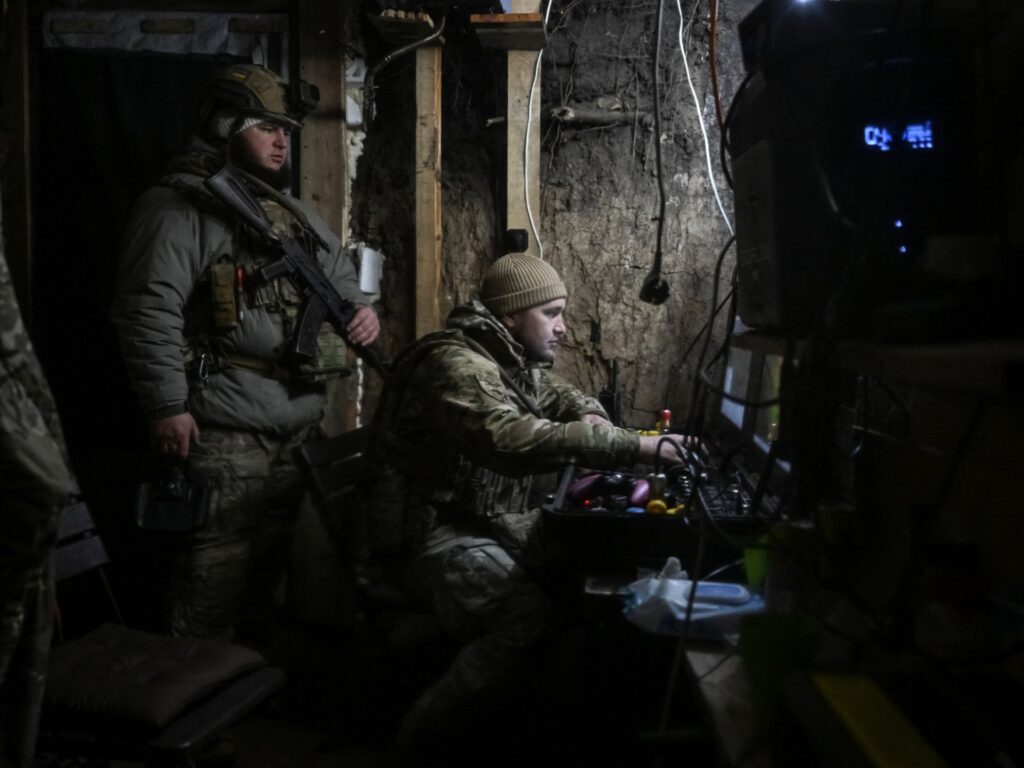
The recently held talks between Russia and Ukraine, brokered by the United States and taking place in the UAE capital, concluded without any significant breakthroughs. Despite efforts from both sides to engage in dialogue, the discussions failed to yield a resolution or an agreement, highlighting the persistent complexities and challenges surrounding the conflict.
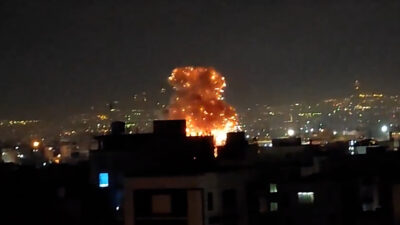
As the negotiations neared their second day, the ground situation deteriorated sharply. Russian attacks intensified, leading to severe consequences for civilian infrastructure. Approximately 1.2 million people were cut off from power amid sub-zero temperatures, exacerbating already dire humanitarian conditions. The power outages severely impacted heating and essential services, raising international concerns about the welfare of the affected populations.
The talks, which were seen as a crucial opportunity to de-escalate tensions, emphasized the entrenched positions of both parties. Ukraine sought security guarantees and restoration of territorial integrity, while Russia maintained its demands and strategic objectives, resulting in an impasse.
Observers note that the failure to reach an agreement at this juncture prolongs the suffering of civilians and increases the risk of further escalation. Diplomatic efforts by the US and other international players continue, aiming to revive dialogue and seek peaceful resolutions.
The humanitarian impact, highlighted by the widespread power outages amid harsh winter conditions, underscores the urgent need for ceasefire and humanitarian corridors to facilitate aid delivery. International organizations have called for immediate action to protect civilians and restore critical infrastructure.
The stalled negotiations reflect deeper geopolitical tensions and demonstrate the complexities in resolving conflicts where competing national interests and territorial disputes are involved. Analysts suggest that future talks will require tougher compromises, increased international pressure, and robust monitoring mechanisms to build trust between the conflicting parties.
As the region braces for continued hardships, the global community watches closely for any indication of progress. The situation remains volatile, with civilian populations bearing the brunt of ongoing hostilities. The failure of these talks serves as a stark reminder of the challenges facing international diplomacy amid armed conflicts.