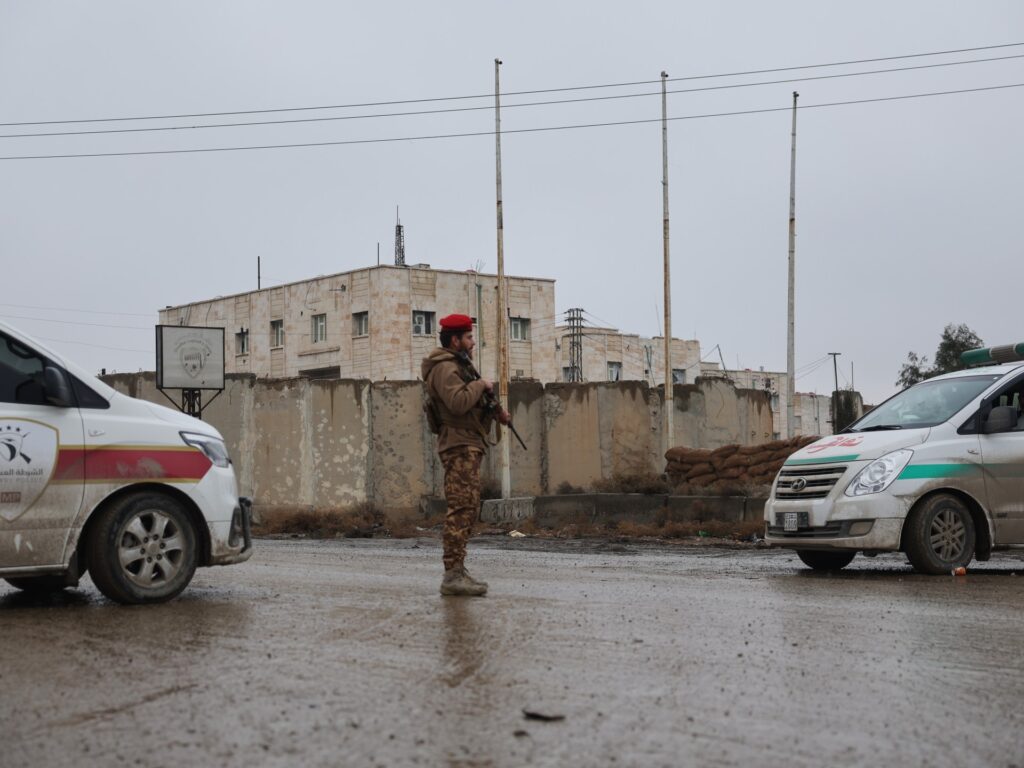
The ceasefire agreement between the Syrian government and the Kurdish-led Syrian Democratic Forces (SDF) has officially expired, casting doubts and uncertainties over the future of peace and stability in northeastern Syria. The truce had been a delicate arrangement aimed at reducing hostilities and fostering cooperation between the two sides in a region marked by prolonged conflict.
Despite ongoing discussions, Syria’s foreign ministry has publicly denied any reports suggesting that government forces have reached an agreement with the SDF to extend the deadline of the ceasefire. This denial highlights the fragile state of negotiations and the challenges faced in securing a lasting peace.
The truce, which was initially brokered to halt clashes and allow for political dialogue, has played a crucial role in maintaining a semblance of calm in areas heavily influenced by Kurdish forces. However, the lapse of this agreement without a clear extension raises concerns about potential escalations and renewed fighting.
Kurdish-led forces had previously expressed willingness to continue talks and maintain the ceasefire, emphasizing the importance of stability and cooperation in advancing the region’s political and security goals. Conversely, the Syrian government has been cautious, balancing internal and external pressures related to sovereignty, territorial control, and international diplomacy.
The expiry of the ceasefire agreement comes at a sensitive time when multiple actors, including regional powers and international stakeholders, are closely monitoring the situation in Syria. The outcome of this diplomatic impasse could significantly influence the broader conflict dynamics and the humanitarian situation on the ground.
Observers note that the cessation of hostilities between Syrian government forces and SDF has been instrumental in halting further displacement of civilians and reducing casualties in recent months. Renewed conflict could undermine these gains, exacerbating the suffering of innocent populations.
Furthermore, the dispute over the ceasefire extension reflects the complex political landscape of Syria, where diverse factions and interests intersect. Kurdish forces seek recognition and autonomy, while the Syrian government aims to reassert full control over its borders and territories.
International actors, including the United States and Russia, have historically played roles in mediating or influencing ceasefire agreements. Their positions and involvement moving forward could be pivotal in determining whether a new truce can be brokered or if the region may face renewed hostilities.
The current uncertainty calls for renewed diplomatic efforts to find a sustainable resolution. Both Syrian government officials and Kurdish leaders have underscored the importance of dialogue and negotiations, though tangible progress remains elusive.
In the meantime, residents of northeastern Syria remain anxious as the prospect of resumed fighting looms. Humanitarian agencies are preparing for potential escalations that could lead to increased displacement and hardship.
As the situation develops, all parties are urged to prioritize peace and the well-being of civilians to prevent further deterioration of stability in Syria. The expiration of the truce serves as a critical juncture, underscoring the urgent need for renewed commitments to ceasefire and dialogue.
The coming weeks will be crucial in determining the trajectory of the conflict in northeastern Syria and whether the gains from the previous truce can be preserved or reversed by renewed violence.