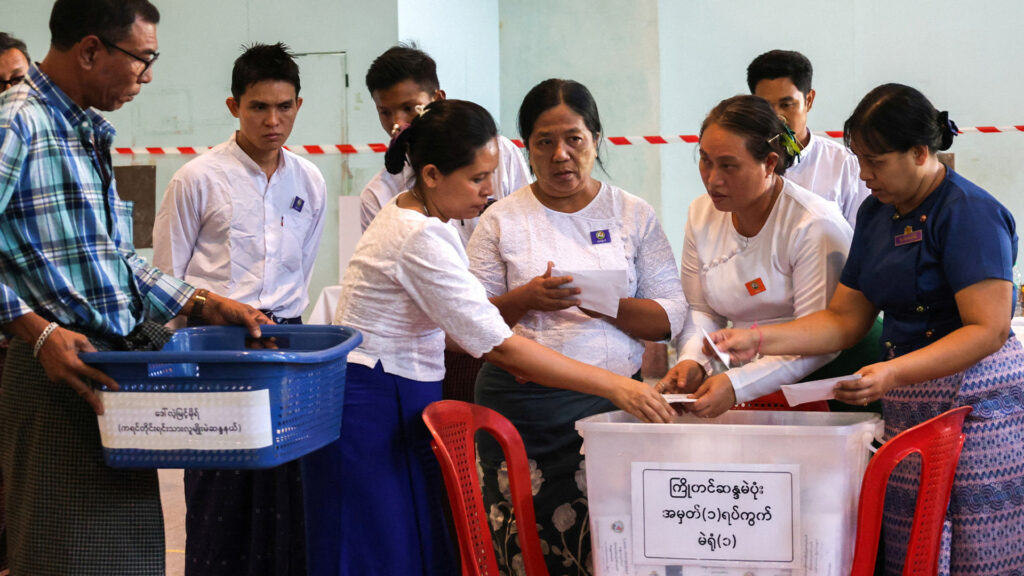
Myanmar is currently holding the final stage of its disputed general election despite ongoing armed conflicts involving rebel groups across the country. This election, marked by controversy and skepticism over its fairness, is taking place against the backdrop of a severe civil war that has intensified tensions and instability nationwide.
The civil war in Myanmar has involved various ethnic armed organizations and resistance forces opposing the military-led government that seized power in a coup in February 2021. The military takeover disrupted the democratic process, leading to widespread protests, international condemnation, and violent clashes.
Despite calls from international observers and opposition groups for postponement or a fairer electoral process, the military government pressed forward with the election, citing the need to restore political legitimacy. The election’s credibility remains highly disputed, with many alleging fraud, voter intimidation, and irregularities at polling stations.
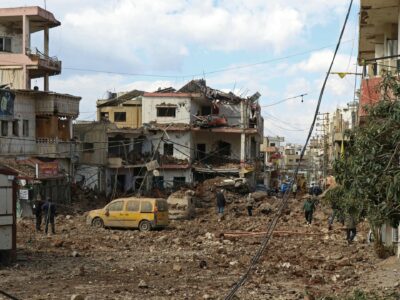
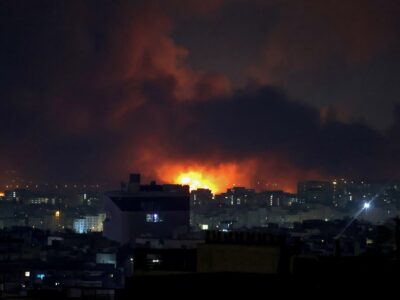
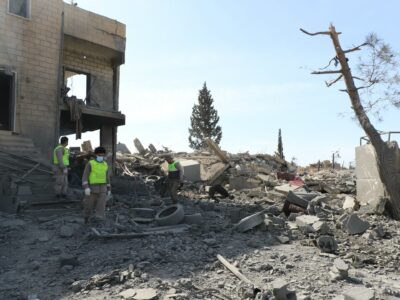
Rebel groups and civil resistance movements have continued their fight against the military regime during the electoral process. This ongoing conflict has resulted in casualties, displacement of civilians, and significant humanitarian challenges within Myanmar.
The final stage of the election involves the remaining regions yet to vote, with the government seeking to complete the process to form a new parliament and consolidate its control. However, the outcome is unlikely to bring an immediate resolution to the political crisis or the civil war.
Observers note that the elections under such circumstances do not reflect a true democratic transition but rather a military attempt to legitimize its rule domestically and internationally. The various armed groups have vowed to continue their resistance regardless of electoral results, further prolonging instability in the country.
Human rights organizations have expressed deep concerns about the safety of voters, freedom of expression, and the possibility of increasing repression following the elections. The international community is closely monitoring the situation, with some countries threatening sanctions and others calling for renewed dialogue and peaceful conflict resolution.
Myanmar’s election during an active civil war represents a complex and fragile moment in the country’s history. The path forward remains uncertain, with peace and democratic governance still distant goals amid fierce ongoing conflict and political turmoil.