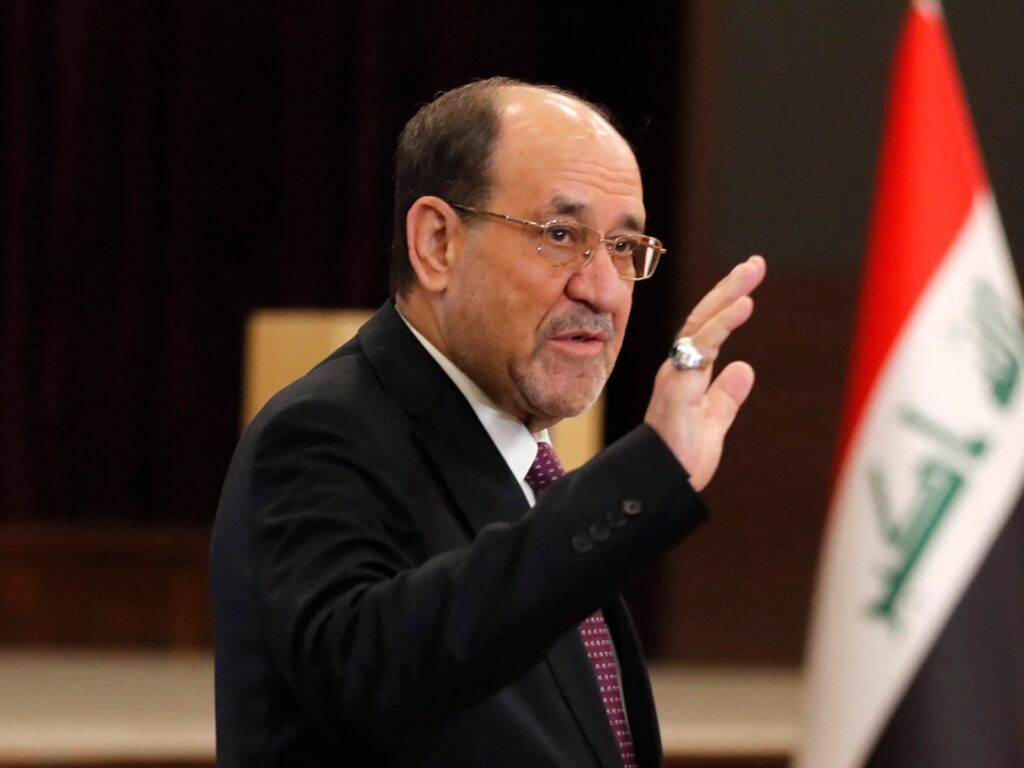
In a significant political development, Iraq’s Shia alliance has nominated former Prime Minister Nouri al-Maliki as its candidate for upcoming elections. Despite a controversial past with widespread allegations against him for exacerbating sectarian divisions and being ineffective in halting the advancement of the Islamic State of Iraq and the Levant (ISIL), al-Maliki remains a powerful and influential figure within Iraqi politics.
Nouri al-Maliki, who has been a central figure in Iraq’s government for many years, served as Prime Minister during some of the country’s most turbulent times. Critics argue that his policies and governance style contributed to deepening sectarian rifts between Sunni and Shia communities, which ultimately emboldened extremist groups like ISIL. However, supporters contend that he provided stability and worked to strengthen Iraq’s political institutions in a challenging environment.
The Shia alliance’s decision to back al-Maliki underscores his continued relevance and the complex political landscape in Iraq, where alliances and power structures remain fluid. His nomination is expected to stir debate among various factions and could have significant implications for Iraq’s future political direction.
Al-Maliki’s candidacy highlights ongoing struggles within Iraqi politics to balance competing interests and challenges posed by sectarianism, governance, and security. Observers note that while he remains a divisive figure, he also commands substantial respect and loyalty within the Shia community and beyond.
This development follows years of political shifts in Iraq, with various groups jockeying for power amidst efforts to rebuild and stabilize the nation after years of conflict and instability. As elections approach, the nomination of al-Maliki will likely reignite discussions around accountability, unity, and the path forward for Iraq.
In conclusion, the nomination of Nouri al-Maliki by the Iraq Shia alliance marks a pivotal moment ahead of elections, reflecting the enduring influence of established political leaders in shaping the country’s trajectory. The coming months will be critical as Iraq navigates the complexities of its sectarian dynamics, security challenges, and aspirations for democratic governance.