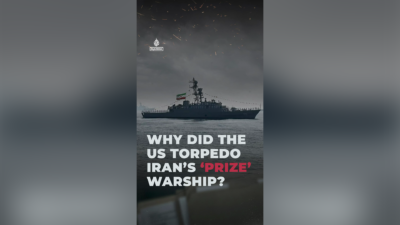
The United States government has imposed sanctions on what it calls Iran’s ‘shadow fleet,’ a group of vessels that reportedly plays a key role in generating funds used by the Iranian regime to violently suppress protests within its borders. The sanctions, announced by the US Treasury Secretary, target these vessels in an effort to cut off financial resources that aid Iran’s crackdown on its own people.
According to the Treasury Secretary, these ships facilitate covert operations, including oil shipments and other commercial activities, that help Iran circumvent international sanctions. This maritime network has been accused of fueling repressive activities, including violence against protesters who demonstrate against the government.
Iran has faced numerous rounds of protests in recent years, often met with force by security forces. These crackdowns have frequently garnered international condemnation, highlighting human rights abuses and the government’s unwillingness to tolerate dissent.
The newly imposed sanctions aim to disrupt the shadow fleet’s operation by barring American entities and allies from engaging with these vessels. It also serves as a stern message that entities supporting Iran’s repressive actions will face severe economic and legal consequences.
Maritime experts have noted that the shadow fleet involves a complex web of ownership and vessel registration, often involving front companies to evade detection. Such strategies have allowed Iran to continue trading and securing revenue streams despite stringent economic sanctions.
The US Treasury’s action represents a continuation of its broader strategy to limit Iran’s financial capabilities and pressure the regime to moderate its policies. The sanctions come amid ongoing tensions between the US and Iran, with the latter’s regional activities and nuclear ambitions being a significant concern.
Human rights organizations have welcomed the sanctions, viewing them as a necessary step to hold Tehran accountable for the systematic repression of its citizens. However, some analysts caution that more comprehensive international coordination would be needed to fully dismantle Iran’s shadow maritime operations.
The Iranian government has yet to publicly respond to the latest US sanctions, but historically it has condemned such measures as unjust and politically motivated. It remains to be seen how effective these sanctions will be in curbing the shadow fleet’s operations and the broader implications for the region’s stability.
The US move highlights the growing use of targeted economic tools to address geopolitical and human rights issues, reflecting an ongoing evolution in how international conflicts and state behaviors are addressed globally.