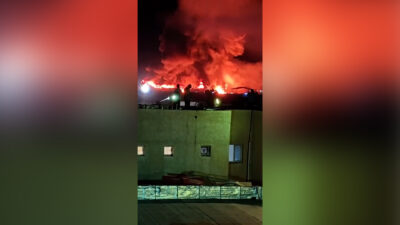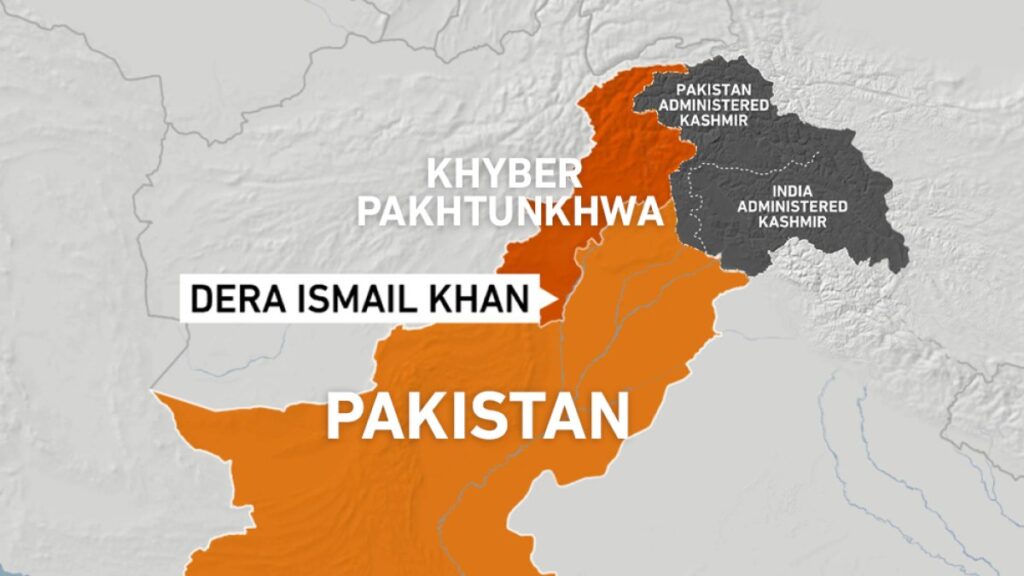
A tragic suicide bombing at a wedding ceremony in northwest Pakistan has resulted in the deaths of seven individuals. The attack occurred amidst heightened military operations by Pakistan’s forces targeting armed groups in regions close to the Afghan border. This violent incident underscores the persistent security challenges faced in the area, where militant groups have historically operated.
The wedding, intended as a joyous celebration, turned into a scene of horror as the suicide bomber struck, causing casualties among attendees. Authorities have launched an investigation to identify the perpetrators and prevent further attacks.
This attack comes during a period when the Pakistani military is intensifying efforts to combat insurgent and militant activities along the porous border with Afghanistan. These areas have long been hotspots for militant groups exploiting the complex terrain and political instability of the region.
The security situation in northwest Pakistan remains fragile, with numerous clashes reported between security forces and armed militants over recent months. The government has vowed to enhance security measures and protect civilians from such acts of terror.
Local communities have expressed fear and grief over the incident, calling for increased protection and a lasting solution to the violence. The bombing at the wedding highlights the ongoing human cost of conflicts in the region and the urgent need for coordinated efforts to restore peace and stability.
International observers have also condemned the attack, emphasizing the importance of regional cooperation to address the threat posed by militant groups. They stress that peace along the Pakistan-Afghanistan border is crucial for broader stability in South Asia.
As Pakistan continues its military campaigns, the risk of retaliatory attacks and civilian casualties remains a pressing concern. The government faces the challenge of balancing aggressive counterterrorism operations with safeguarding the rights and lives of innocent people.
The suicide bombing at the wedding is a grim reminder of the complexities involved in securing the border areas and the resilience of militant networks. It reinforces the need for a comprehensive strategy combining military, political, and social efforts to combat extremism.
Efforts to improve intelligence gathering and enhance community engagement are seen as vital steps towards preventing similar tragedies. Meanwhile, humanitarian organizations are working to provide support and aid to victims and their families.
The incident has also sparked calls for increased dialogue between Pakistan and Afghanistan to address cross-border militancy and foster mutual security cooperation. Experts suggest that lasting peace will require not only military action but also addressing the root causes of extremism, including poverty and lack of education.
As the region mourns the loss of lives at the wedding, the broader challenge remains: achieving a stable, peaceful environment where celebrations can proceed without fear of violence. The coming months will be critical in determining how effectively Pakistan can manage its security challenges and protect its citizens from future attacks.