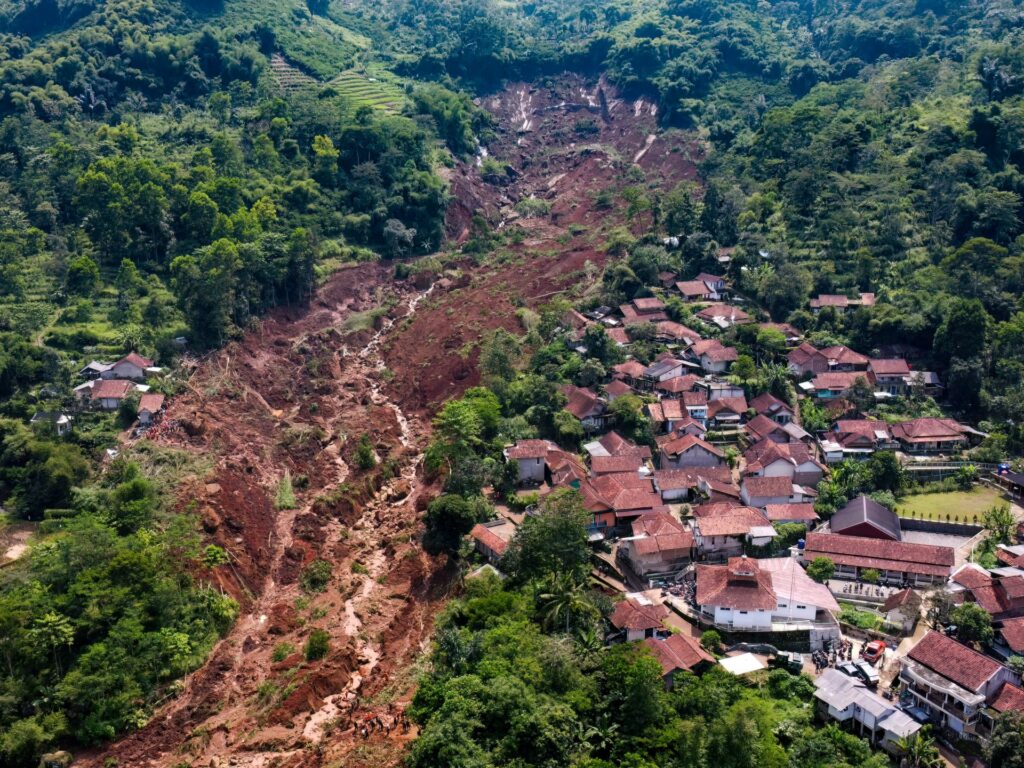
A deadly landslide has struck West Bandung, Indonesia, resulting in the tragic deaths of seven people, with dozens more reported missing. This calamity follows a series of recent natural disasters that have devastated the region, including severe floods and landslides that claimed over 1,000 lives just weeks prior.
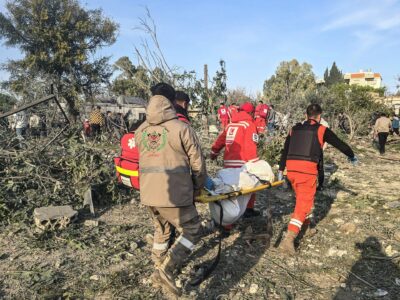
The affected area, known for its rugged terrain and heavy rainfall during certain seasons, has experienced significant geological instability recently. The landslide occurred suddenly, catching many residents off guard and leading to a frantic search and rescue operation. Emergency response teams, alongside local volunteers, are currently engaging in efforts to locate and assist survivors while attempting to recover bodies.
Indonesia, a country located on the Pacific Ring of Fire, frequently encounters geologically hazardous events such as earthquakes, volcanic eruptions, and landslides. The region of West Bandung, in particular, is vulnerable due to its mountainous landscape and ongoing deforestation, which exacerbate the risks of landslides.
This latest disaster exacerbates the ongoing humanitarian crisis in the area, where many communities are still recuperating from last month’s catastrophic floods and landslides. The previous disaster rendered thousands homeless, destroyed infrastructure, and severely disrupted local economies.
Authorities have urged residents in high-risk zones to evacuate promptly upon receiving warnings. They have also called for increased vigilance and precautionary measures to mitigate future casualties. Efforts are underway to improve early warning systems and enhance disaster preparedness across affected regions.
Health officials are concerned about the aftermath of the landslide, highlighting the dangers of water contamination, outbreaks of waterborne diseases, and challenges in delivering medical aid to isolated areas. Relief agencies are mobilizing resources, including food, clean water, shelter, and medical supplies, to support those displaced.
The government has pledged to prioritize disaster resilience, including reforestation projects, enforcing land use regulations, and better urban planning to minimize vulnerabilities. Meanwhile, international aid organizations have also extended support to bolster the emergency response and long-term recovery initiatives.
Community members have expressed profound grief and trauma as they cope with the losses of loved ones and the uncertainty surrounding the missing. Psychological support services are being organized to assist survivors and families affected by the ongoing crises.
While the full extent of the damage from the recent landslide is still being assessed, the cumulative toll of these disasters underscores the urgent need for comprehensive strategies addressing environmental protection, climate adaptation, and disaster risk reduction in Indonesia.
The resilience and solidarity of Indonesian communities are being tested as they face these persistent natural hazards. Global attention and cooperation remain crucial in aiding the nation’s efforts to safeguard its people and environment from future calamities.