Recent events in Iran have drawn international attention as the country rejects a United Nations resolution condemning the killings during protests. The resolution, which highlights the severity of human rights abuses amid demonstrations, has sparked significant discourse on the global stage.
A key statement from an Iranian prosecutor shocked observers by comparing the death toll during these protests to the infamous Srebrenica genocide, noting that at least twice as many people were killed in Iran in just half the time. This stark comparison underscores the gravity of the situation and the rapid escalation of violence in the country.
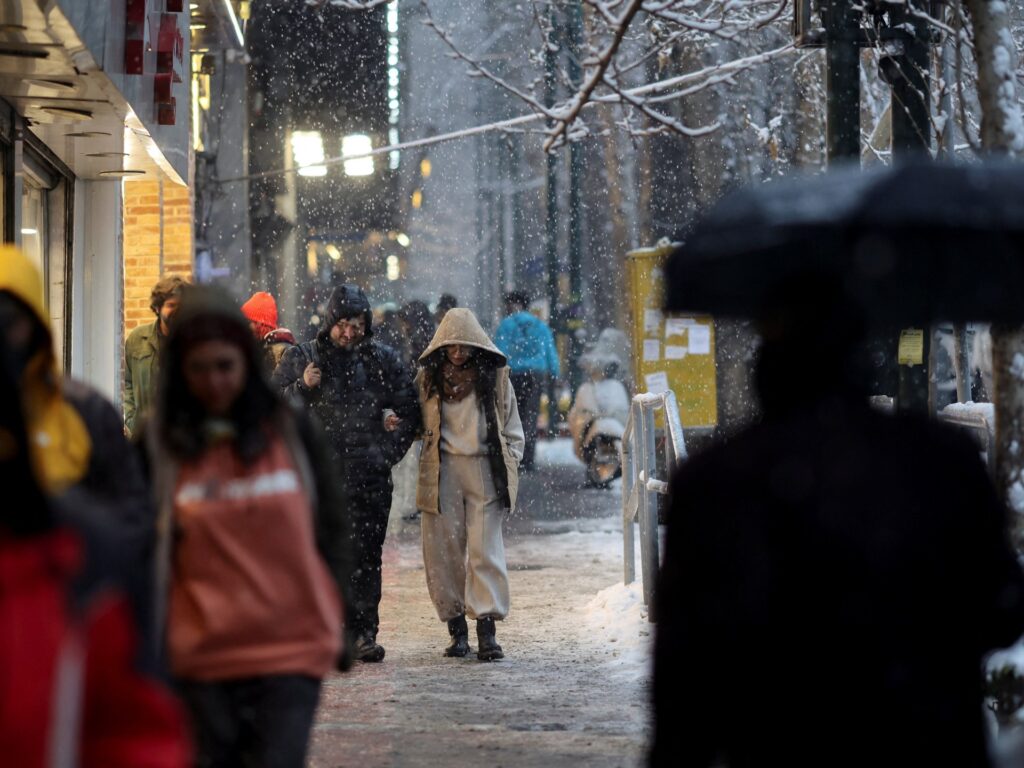
The protests in Iran have been met with a harsh crackdown by authorities, resulting in numerous casualties. The government’s rejection of the UN resolution suggests a refusal to acknowledge or address the international community’s concerns regarding the treatment of protesters and the use of lethal force.
Human rights organizations have condemned the Iranian government’s actions, calling for accountability and urging for measures to protect citizens’ rights to peaceful assembly and expression. They emphasize that the use of excessive force undermines the rule of law and exacerbates tensions within the country.
The United Nations resolution reflects a broader international effort to hold Iran accountable for alleged human rights violations. However, Iran’s dismissal of the resolution highlights the challenge faced by global bodies in influencing sovereign nations regarding internal matters.
Analysts note that Iran’s comparison to the Srebrenica genocide is particularly poignant given that the latter is recognized as one of the most brutal massacres in recent history, where over 8,000 people were systematically killed. The Iranian prosecutor’s claim points to a possible escalation in the scale and rapidity of violence during the protests.
This development has led to increased calls for international intervention and more robust diplomatic efforts to mitigate the crisis. The situation remains fluid, with ongoing protests and continued reports of violence.
The Iranian government’s stance, coupled with the prosecutor’s alarming comparison, has intensified debates about the need for stronger global mechanisms to prevent such tragedies and to promote human rights universally.
In summary, Iran’s rejection of the UN resolution and the prosecutor’s statement comparing protest killings to the Srebrenica genocide illuminate the critical human rights challenges the country faces. The international community continues to watch closely, advocating for justice, peace, and respect for human dignity in Iran.