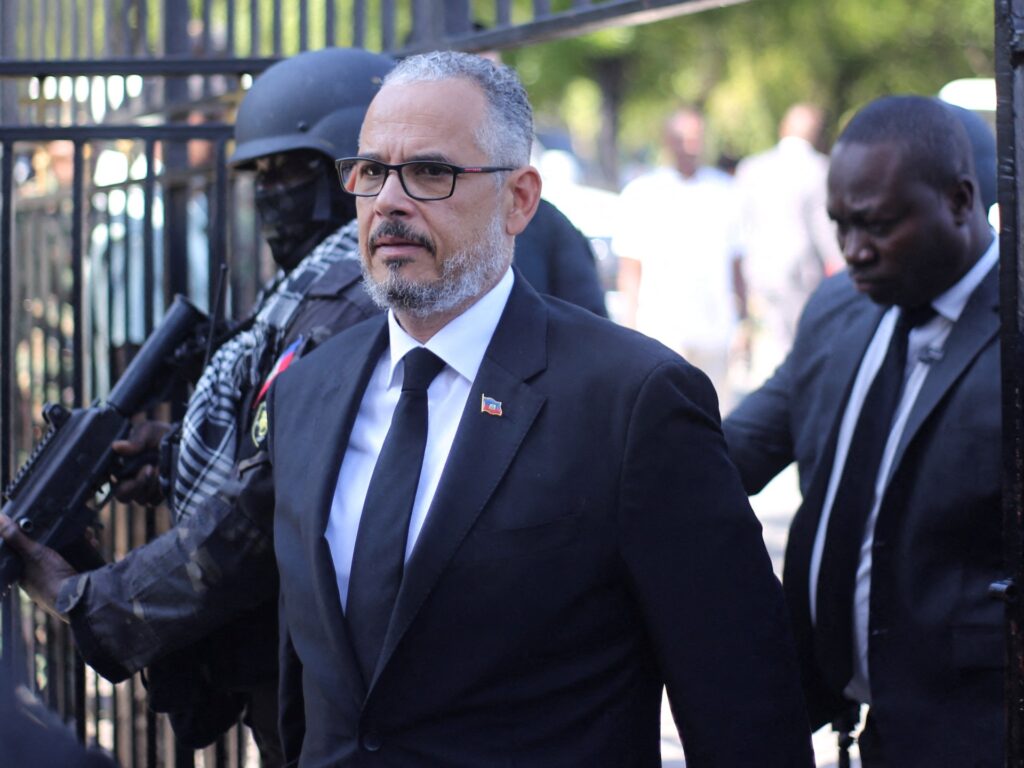
Haiti’s Transitional Presidential Council has announced plans to remove Prime Minister Alix Didier Fils-Aime, a move that is intensifying an already strained relationship with the United States. This decision directly defies warnings and concerns expressed by the US government, which has been closely monitoring Haiti’s political stability amid ongoing crises.
The announcement marks a significant escalation in the political turmoil gripping Haiti, a nation that has been grappling with severe challenges including rampant violence, economic instability, and governance issues. The Transitional Presidential Council, which holds temporary executive power, believes that the removal of Prime Minister Fils-Aime is essential to address the current political deadlock and to pave the way for a new leadership structure.
Prime Minister Fils-Aime has faced criticism from various factions within Haiti, accused of failing to effectively manage the government’s response to these crises. Despite his efforts, the country continues to experience unrest and a lack of coherent policy direction.
The US government has publicly warned Haiti’s political leaders against actions that could further destabilize the country. In recent months, the US has increased diplomatic engagement and provided support aimed at strengthening Haiti’s democratic institutions and security. However, the announcement by Haiti’s Transitional Presidential Council indicates a rejection of US influence and a hardening stance on internal political matters.
This standoff underscores the complexities of international intervention in sovereign nations facing political upheaval. The US is balancing its strategic interests and humanitarian concerns with respect for Haiti’s autonomy. Meanwhile, Haitian leaders are under immense pressure from their constituents to chart an independent course.
Observers note that the removal of the prime minister could trigger further instability, potentially leading to protests or a power vacuum. It remains unclear how other political actors and the international community will respond to this development.
As Haiti navigates through this critical phase, the international community watches closely, aware that the nation’s future hinges on finding a stable and inclusive path forward. The coming weeks will be crucial in determining whether dialogue and compromise can prevail over confrontation and division in Haiti’s political landscape.