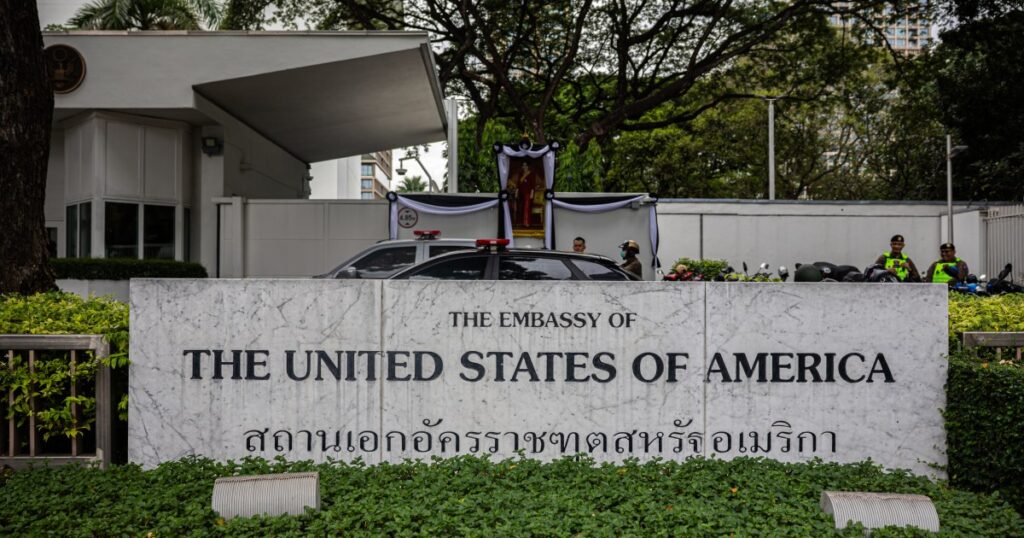
Thailand, a longstanding ally of the United States, has been rocked by waves of shock and feelings of betrayal following the Trump administration’s decision to impose a visa freeze that includes the country on a list of blacklisted nations. Many Thai citizens who had envisioned building lives in the US are now grappling with the unexpected setback and the uncertainty it has created.
The move, which was part of a broader immigration policy aimed at restricting visas to certain countries, has taken many by surprise, especially in Thailand where the US is typically viewed as a partner and friend. The visa freeze has led to widespread disappointment and frustration among those who had plans to study, work, or settle in the US.
Several factors contribute to the strong emotional response from the Thai community. First, the freeze affects a wide range of visa categories, impacting students, professionals, and families alike. Many individuals who had invested significant time and resources into the application process now face indefinite delays or outright denials.
Moreover, Thailand’s inclusion on the blacklist is perceived by many as unjustified given the country’s historically close diplomatic ties with the US. Analysts note that such a move could undermine the trust and goodwill that have been cultivated over the decades between the two nations.
Economic ties between Thailand and the US also come into focus as the visa freeze threatens to disrupt bilateral exchanges. Thai businesses that rely on cross-border movement of personnel and collaboration with American counterparts are concerned about the potential long-term effects on trade and investment.
On a personal level, families with members in both countries see their future plans abruptly altered. The freeze has separated relatives and complicated reunifications, casting a shadow over human connections that transcend politics.
Advocates for the affected Thais are calling for reconsideration and dialogue to address the concerns raised by this policy. They emphasize the importance of maintaining strong alliances and the benefits of cultural and educational exchanges that visa programs facilitate.
In response, some US officials have highlighted that the policy aims to enhance national security and is not intended as a reflection on the friendship with Thailand. However, this explanation has done little to assuage apprehensions.
As the situation unfolds, the Thai community continues to seek clarity and hope for a resolution that acknowledges the longstanding partnership and presents a path forward. The visa freeze has spotlighted the complexities of immigration policies and their profound impact on international relations and individual lives.
Going forward, observers suggest that the US administration must carefully balance security concerns with diplomatic considerations to avoid long-term damage to ties with key allies such as Thailand. The episode serves as a reminder of how swiftly global alliances can be tested by domestic policy decisions.
In conclusion, the feelings of betrayal and shock in Thailand reflect broader concerns about the changing dynamics of US foreign policy under the Trump administration. For many Thais, the visa freeze is more than an administrative hurdle; it is a fracture in a valued friendship with lasting ramifications for people-to-people connections and bilateral cooperation.