Greenland, an expansive Arctic territory of Denmark, has gained significant attention due to its vast reserves of rare earth minerals. These minerals are critical components in modern technology, used in everything from smartphones and electric vehicles to military applications and renewable energy technologies. Recent geopolitical developments have spotlighted Greenland as a potential key supplier of these essential resources.
The strategic importance of rare earth minerals has driven several countries, including the United States, to explore mining opportunities in Greenland. Former President Donald Trump famously expressed interest in acquiring Greenland, largely driven by the territory’s untapped mineral wealth. Although the proposed purchase did not materialize, interest in mining these resources has continued, highlighting Greenland’s role in the global supply chain.
Greenland’s rare earth elements extend far beyond modest deposits; estimates suggest that the island has enough reserves to supply the world for the next 115 years. This abundance could ensure a stable supply that reduces global dependence on China, which currently dominates rare earth mineral production. As the demand for green technologies and electronics grows, such a secure supply is increasingly crucial.
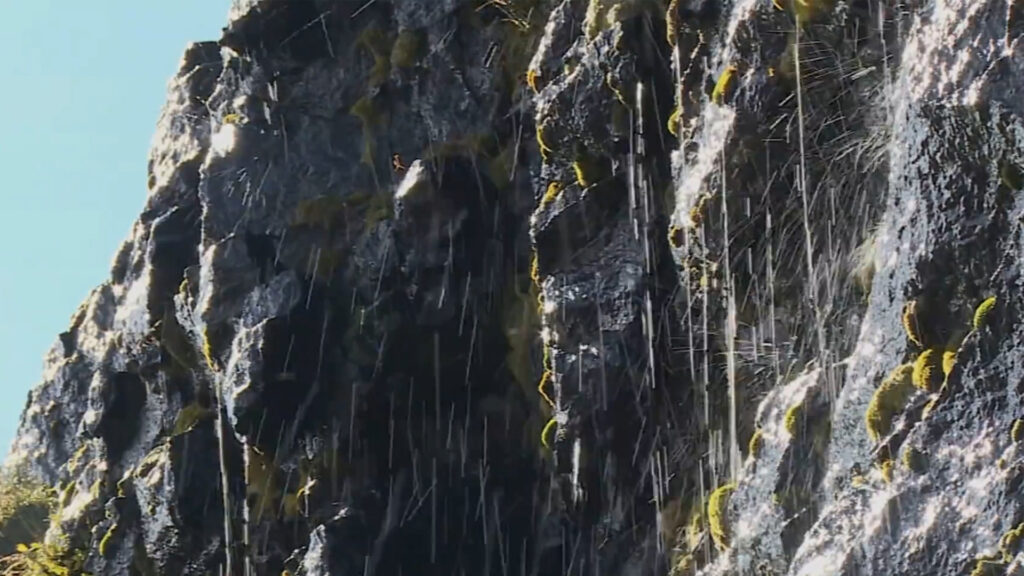
However, the prospect of extensive mining has raised concerns among Greenland residents. The territory’s environment is fragile, marked by pristine natural landscapes and unique Arctic ecosystems. Mining operations pose risks of environmental degradation, pollution, and disruption to local wildlife, which could have long-lasting impacts on the region’s biodiversity.
Local communities also worry about the social and cultural effects of mining development. There are fears that large-scale extraction projects may undermine traditional ways of life, lead to social upheaval, and increase economic disparities. Moreover, questions about how mining revenues would be managed and distributed remain unresolved, fostering uncertainty about the true benefits for Greenland’s population.
Despite these concerns, proponents argue that responsible mining could bring much-needed economic opportunities to Greenland, including jobs, infrastructure development, and increased financial independence. Striking a balance between harnessing mineral wealth and protecting environmental and cultural heritage is a complex challenge requiring thoughtful policies and cooperation between the Greenlandic government, Denmark, international stakeholders, and industry players.
In conclusion, Greenland stands at a crossroads where its rich deposits of rare earth minerals could play a pivotal role in shaping the future of global technology supply chains. Yet, this opportunity comes with considerable environmental and social responsibilities. The discussions and decisions made today will determine how Greenland leverages its mineral riches while safeguarding its unique Arctic environment and the well-being of its communities for generations to come.