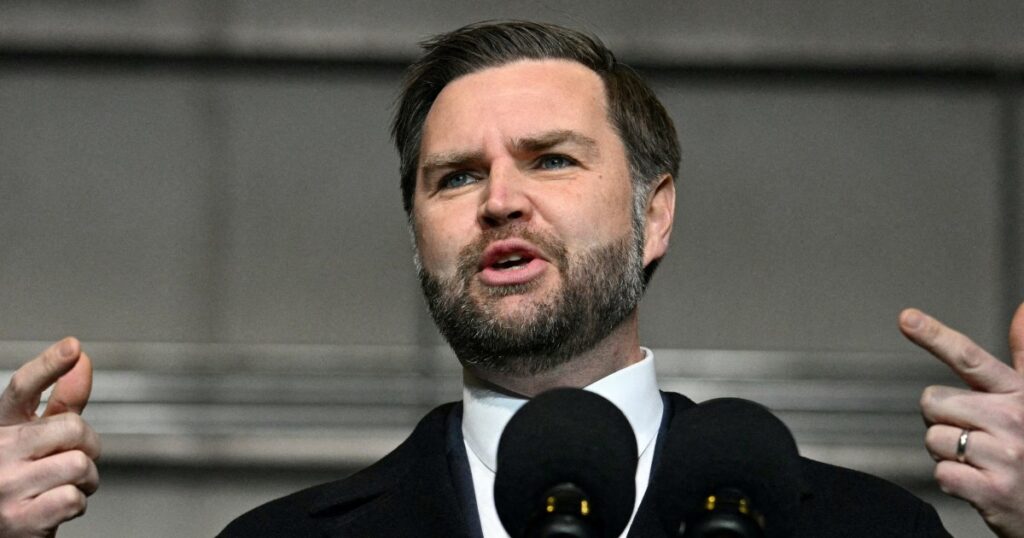
In a recent statement, US Vice President JD Vance has portrayed immigration officers as victims caught in the crossfire of political extremes, specifically blaming the “far left” for the chaotic and sometimes violent immigration operations observed in Minnesota. This comment highlights the growing political divide surrounding immigration enforcement in the United States, where operational challenges and clashes have intensified.
Vance’s remarks come amid reports of disorderly immigration activities, including violent confrontations involving immigration officers in Minnesota. He criticizes the left-wing groups, labeling them as responsible for obstructing law enforcement efforts and creating an environment that hinders effective immigration management.
According to Vance, these far-left elements are impeding the work of immigration officers by promoting policies and actions that ultimately result in chaos on the ground. He suggests that the political agenda of these groups prioritizes leniency and open borders over law and order, leading to increased safety risks not only for immigration personnel but also for the communities affected by immigration enforcement.
The portrayal of immigration officers as victims reflects deeper frustrations within the government and law enforcement communities concerning the political dynamics that complicate immigration control. Vance’s statement shows a clear intent to hold the “far left” accountable for the challenges faced by immigration officials.
This perspective has sparked debate among political analysts and activists, some of whom argue that the responsibility for immigration issues lies with the complex legal and systemic challenges, rather than any political faction alone. They call for a more balanced approach that addresses both humanitarian concerns and the enforcement of immigration laws.
Minnesota has been a focal point for immigration tensions, with several incidents reported where immigration officers encountered hostility during operations. These events have drawn national attention to the state’s immigration policies and enforcement strategies.
Vice President Vance’s condemnation of the “far left” comes at a time when immigration remains one of the most contentious issues in US politics. Policymakers are divided on how to address the influx of migrants and the protection of borders, with Vance taking a strong stance supporting law enforcement and criticizing opposition from more liberal groups.
His comments signal a broader campaign to shift public opinion and legislative focus toward stricter immigration controls, supported by his administration. They also underscore the polarized nature of immigration discourse in the US, where officers on the front lines feel caught between political ideologies.
The ongoing debate reflects fundamental disagreements about the role of immigration in American society, national security priorities, and the protection of human rights. As these discussions evolve, the experiences of immigration officers like those in Minnesota offer a stark glimpse into the real-world implications of political decisions.
In summary, Vice President JD Vance’s statement blaming the “far left” for the disorder in Minnesota’s immigration operations exemplifies the intensified political conflict over immigration policy in the US. It casts immigration officers as victims amid a struggle between opposing ideological forces, highlighting the challenges and controversies that continue to shape America’s approach to immigration enforcement.