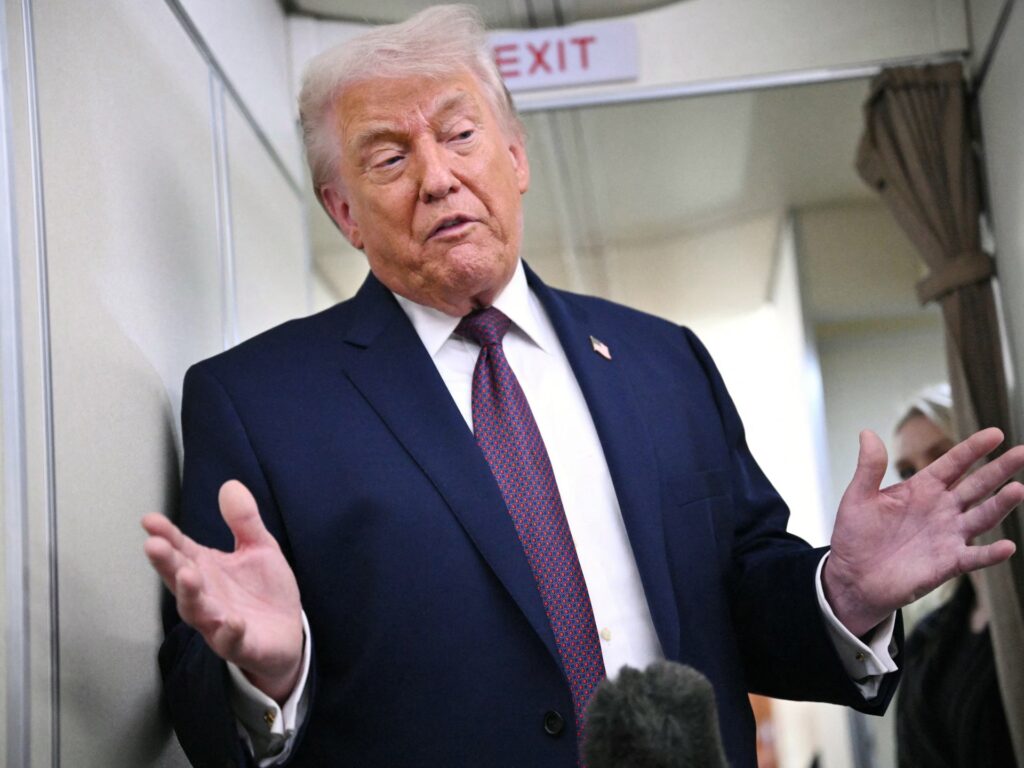
Recent statements by former U.S. President Donald Trump regarding NATO’s involvement in Afghanistan have stirred significant controversy, particularly among UK politicians. Trump claimed that NATO, and specifically the UK’s role within the alliance, was overstated or misrepresented in the context of the Afghan conflict. This assertion has drawn swift criticism from political figures in the United Kingdom, who view his comments as both inaccurate and dismissive of the sacrifices made by British forces during the war.
Trump’s comments emerged amidst ongoing debates about international military alliances and the legacy of the Afghanistan conflict. He suggested that the UK’s military contribution was less significant than often portrayed and insinuated that NATO’s overall involvement did not meet expectations. These remarks have been perceived by many in the UK as undermining the dedication and bravery of their armed forces.
UK politicians have responded harshly, accusing Trump of attempting to rewrite history and downplay the importance of the UK’s efforts in Afghanistan. Some have also seized the opportunity to criticize Trump personally, pointing to his own history concerning military service. In particular, they referenced Trump’s avoidance of military duty during the Vietnam War era, a point that has been repeatedly debated in political discourse.
The criticism highlights the sensitive nature of military service and alliance responsibilities between nations. The UK government and military representatives have reiterated the vital role played by British troops alongside NATO allies in Afghanistan, emphasizing the complexity and challenges of the mission.
The Afghanistan conflict, spanning nearly two decades, involved numerous NATO countries committed to counterterrorism and stabilization efforts. British forces were among the most active participants, facing significant casualties and hardships. The debate sparked by Trump’s statements underscores ongoing tensions in how the war’s history is recorded and remembered.
Experts note that while NATO’s role in Afghanistan was coordinated under U.S. leadership, the contributions of member countries, including the UK, were substantial and multifaceted. They caution against simplistic portrayals that can diminish the sacrifices of allied forces.
This episode also reflects broader geopolitical themes, including the evaluation of international cooperation and the role of the United States in leading such efforts. Trump’s remarks have resonated beyond Britain, prompting discussions about alliance dynamics and historical accountability.
As diplomatic and political conversations continue, both the value and challenges of multinational military cooperation remain a key focus. The UK’s condemnation of Trump’s claims highlights the enduring impact of Afghanistan on Western military and political landscapes.
In summary, Trump’s discourse on NATO’s role in Afghanistan has ignited a strong response from UK politicians, who defend their nation’s military legacy while critically examining the former president’s past and present assertions. This ongoing dialogue reflects deeper questions about history, honor, and international partnership in one of the 21st century’s most significant conflicts.