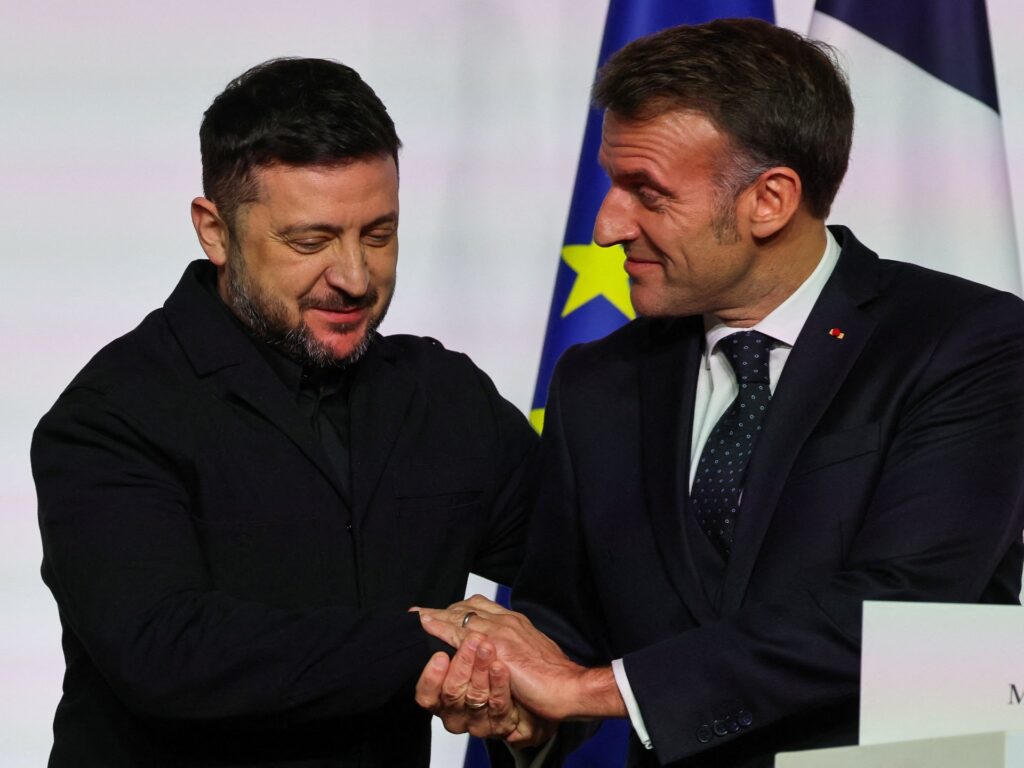
In a significant enforcement of international sanctions, France has seized an oil tanker in the Mediterranean Sea that was sailing from Russia. French President Emmanuel Macron announced that the vessel was subject to international sanctions and was suspected of ‘flying a false flag,’ a deceptive practice where a ship sails under a flag other than its own to evade authority or detection.
The incident highlights ongoing tensions and the robust measures being undertaken by nations to enforce sanctions related to geopolitical conflicts involving Russia. The Mediterranean Sea remains a critical maritime route for oil transport, and France’s action underscores its commitment to uphold international laws and sanctions regimes.
President Macron emphasized that this seizure was a clear message against attempts to circumvent sanctions, reinforcing France’s position on international cooperation and legal enforcement in maritime operations. Officials are currently investigating the full circumstances surrounding the seizure, including the tanker’s ownership, cargo details, and the legitimacy of its claimed flag.
Sanctions on Russian entities have been a focal point in global diplomatic efforts to apply pressure in response to geopolitical developments, with many countries closely monitoring maritime traffic to intercept sanctioned goods. This enforcement move by France could lead to increased scrutiny of vessels operating in the region and more rigorous verification of shipping documentation.
The international community is likely to follow this case closely as it reflects a broader effort to maintain the integrity of economic sanctions and deter unauthorized maritime activities. France’s decisive action serves as a precedent for other countries seeking to implement sanctions enforcement at sea.
In conclusion, France’s seizure of the Russian-bound oil tanker in the Mediterranean represents a strategic and legal maneuver aimed at reinforcing international sanctions. President Macron’s declaration shines a light on the complexities of monitoring maritime activities and the necessity of vigilance to uphold global security and legal standards in international waters.