The ongoing conflict and violence in Gaza have brought to light a complex and contentious Israeli strategy deeply intertwined with political, security, and territorial ambitions. At the heart of Israel’s approach to Gaza lies a delicate balance between expanding settlements, enforcing security zones, and controlling the Palestinian population—often resulting in devastating consequences for the people living in the area.
Israel’s tactics include deliberate feet-dragging, division, and obstruction aimed at maintaining its grip on Gaza while managing both international scrutiny and internal demands. The strategy revolves around several key objectives that steer its policies and actions.
Firstly, the expansion of settlements is a significant driver of Israel’s actions. While official discourse often focuses on security concerns, the reality shows persistent efforts to cement Israeli presence and influence. Settlement growth does not just physically alter the landscape but also undermines Palestinian claims to the land, contributing to a fragmented Gaza.
Secondly, the creation and enforcement of security zones form a critical pillar of Israeli strategy. These zones act as buffers purportedly created to protect Israeli citizens from attacks, but they severely restrict Palestinian movement and access to essential resources. The zones often result in the restriction of fishing rights and agricultural land use, directly impacting Gaza’s economy and food security.
Thirdly, the continuous application of division tactics weakens Palestinian political unity and capacity. By exploiting factional disputes among Palestinian groups, Israel maintains a fragmented opposition that struggles to present a unified front or negotiate effectively.
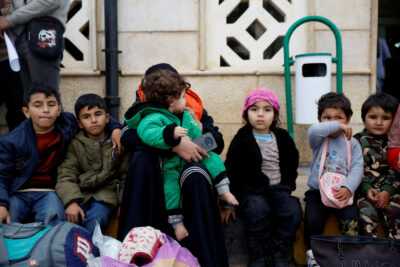
Moreover, obstructionism is evident in the severe limitations placed on humanitarian aid, reconstruction efforts, and economic development in Gaza. Israeli policies frequently hinder the entry of materials considered essential for rebuilding homes, schools, hospitals, and infrastructure—leading to prolonged humanitarian crises.
The lethal toll on Palestinians, including civilians, remains a grim reality of these policies. Military operations, incursions, and airstrikes are part of an ongoing pattern that not only aims to neutralize perceived threats but also serves as a deterrent against resistance.
This strategy reflects a broader goal of controlling Gaza through a mixture of force, political manipulation, and economic siege. The Israeli state’s dual focus on security and territorial expansion drives a cycle of violence and hardship that complicates any path toward peace.
International responses have varied, with some condemning the actions and others calling for renewed negotiations. However, the entrenched divisions and obstructive tactics pose significant barriers to meaningful conflict resolution.
Understanding Israel’s real objectives in Gaza requires a recognition of these interconnected strategies—settlement expansion, security zoning, political division, and obstruction—rather than viewing the situation solely through the lens of security concerns.
As the conflict continues, the humanitarian implications for Gaza’s residents grow more severe, underscoring the need for a reexamination of policies that prioritize long-term peace and justice over short-term tactical gains. Only by addressing the root causes and strategies driving this conflict can there be hope for a stable and equitable future for both Israelis and Palestinians.