The United States military has initiated the transfer of ISIL-linked detainees from a detention facility located in Hasakah, Syria, to sites in Iraq. This significant move involves moving up to 7,000 individuals who are suspected of having ties to the Islamic State of Iraq and the Levant (ISIL).
The detainees have been held in Syria following various military operations aimed at dismantling ISIL’s presence in the region. The decision to relocate them to Iraq stems from logistical, security, and legal considerations as part of ongoing efforts to manage the fallout from the defeat of ISIL territorial control.
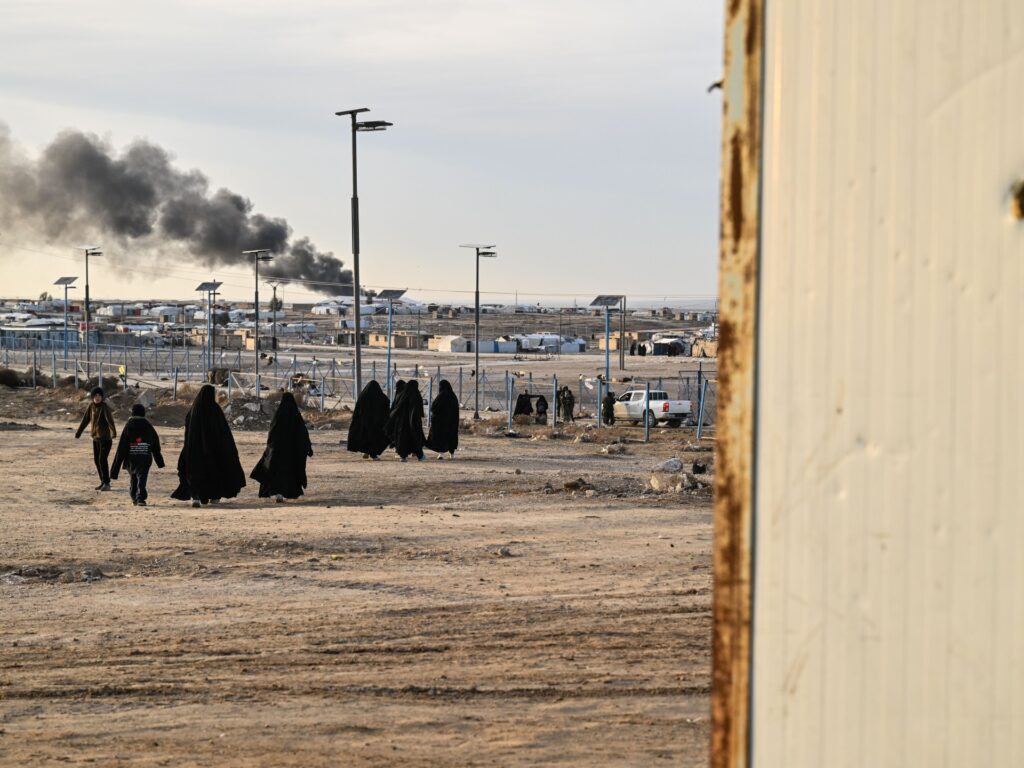
Hasakah, a northeastern city in Syria, has long been a key site for holding captured ISIL fighters and affiliates. The detention facility there is overcrowded and handling a large number of prisoners, raising concerns about the security and humanitarian conditions for both detainees and facility staff.
The US military, in coordination with Iraqi authorities, is taking steps to ensure that the transfer operation is conducted safely and humanely. The transfer is designed to reinforce Iraq’s capabilities to hold and prosecute individuals linked to ISIL, as Iraq was one of the primary battlegrounds against the group.
Officials have highlighted that the detainees will be subject to legal processes in Iraq, which has been working on strengthening its judicial system to handle terrorism-related cases fairly and efficiently. This shift is also aimed at alleviating pressures on Syrian facilities that are struggling with capacity and resource limitations.
The transfer initiative is part of a broader international strategy to address the complex challenges posed by ISIL’s remnants. It reflects ongoing cooperation between the US and Iraqi governments in stabilizing the region and preventing a resurgence of extremist activities.
Human rights organizations have called for transparency and adherence to international norms in handling the detainees, emphasizing the importance of providing access to legal representation and ensuring humane treatment throughout the transfer and detention processes.
The operation marks a critical phase in the post-ISIL era, aiming to consolidate the gains achieved in the fight against extremist groups and to pave the way for long-term peace and security in the region. The US military continues to monitor the situation closely, coordinating with regional partners and international stakeholders to address security challenges effectively.
As the transfer progresses, attention remains focused on the conditions of detention, the legal status of detainees, and the broader implications for regional stability and counterterrorism efforts. The US commitment to supporting Iraq’s capacity-building is expected to play a crucial role in managing the security and justice dimensions of this complex undertaking.
This development underscores the ongoing challenges faced in the aftermath of ISIL’s territorial defeat and highlights the critical role of international cooperation in combating terrorism and upholding the rule of law across borders.