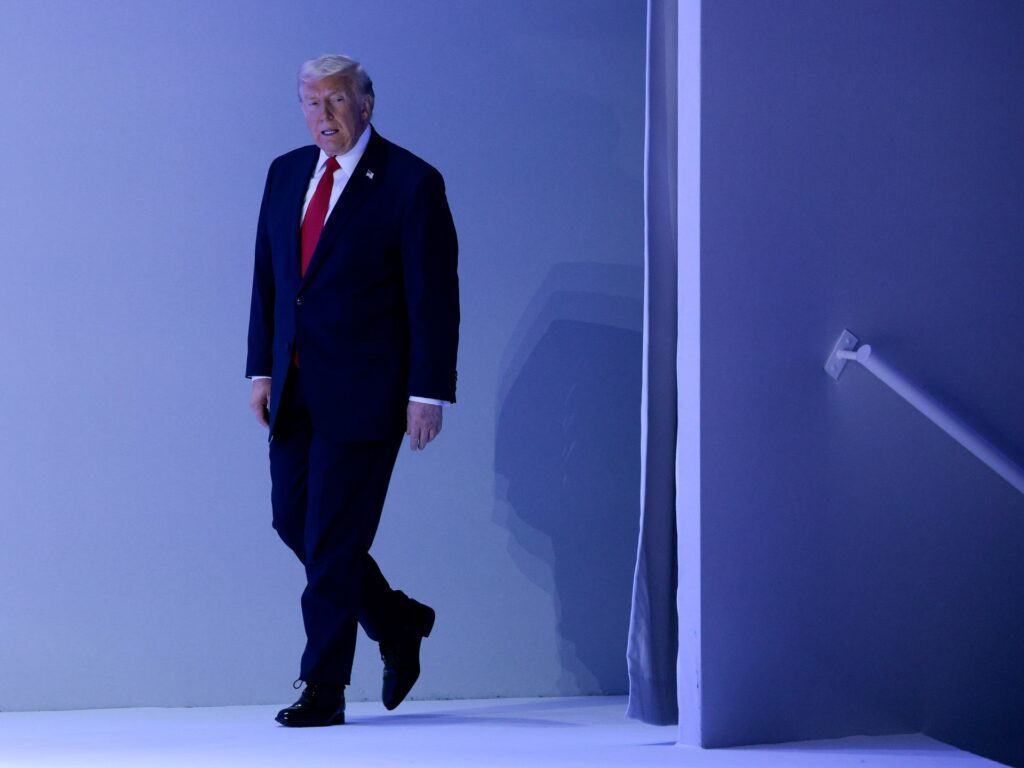
In a significant development at the World Economic Forum in Davos, former U.S. President Donald Trump is poised to lead the signing of a pivotal charter establishing the “Board of Peace” for Gaza. Originally conceived as a body focused on the reconstruction of Gaza following what has been described by some as Israeli genocide, the board’s mission has evolved. Now, it aims to serve as a global conflict resolution entity, signaling a broadened scope beyond Gaza’s reconstruction.
The initiative was born out of the urgent need to address the humanitarian and infrastructural devastation in Gaza. Early discussions framed the board as a dedicated mechanism to mobilize resources, coordinate rebuilding efforts, and bring stability to the region ravaged by conflict. However, as geopolitical dynamics shifted, the charter was amended to position the Board of Peace not only as a regional reconstruction facilitator but also as a symbol and instrument of broader peace and conflict resolution efforts worldwide.
Trump’s involvement marks a notable return to the global stage for the former president, especially on a matter as sensitive and critical as peace in the Middle East. His leadership in the signing event is expected to draw international attention and potentially galvanize support from various stakeholders including world leaders, NGOs, and private sector investors.
Davos, known for its high-profile gatherings of political, business, and civil society leaders, provides a strategic backdrop for the announcement. The forum’s global platform amplifies the board’s message of peace and reconstruction. Sources close to the organizers report that the event will also outline the board’s framework, operational strategies, and funding mechanisms.
The pivot from a Gaza-centric rebuilding board to a global peace entity reflects a complex interplay of diplomacy, international relations, and humanitarian priorities. Experts suggest that this shift may help attract a wider coalition of supporters and funders, potentially increasing the board’s impact.
Critics, however, remain cautious. They point to the challenges of neutrality, governance, and the practical implications of implementing such an ambitious charter amid ongoing regional tensions. The complex nature of Israeli-Palestinian relations underscores the difficulties in establishing any sustainable conflict resolution body.
Nevertheless, the formation of the Board of Peace represents a hopeful step. If successful, it could provide a new model for international cooperation in conflict zones by coupling reconstruction efforts with broader peacebuilding initiatives.
As the signing ceremony unfolds, all eyes will be on Trump and the participating dignitaries at Davos. The initiative’s success will depend on sustained engagement, transparent governance, and the ability to navigate the intricate geopolitical landscape of the Middle East and beyond.