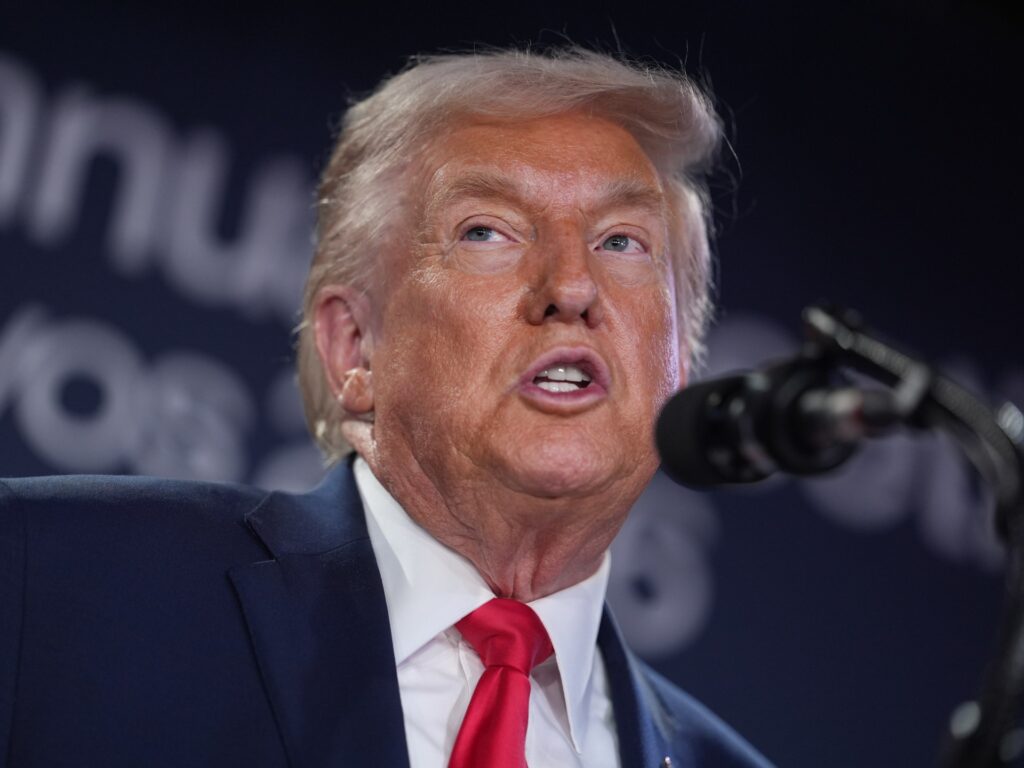
In a high-profile ceremony held at Davos, former U.S. President Donald Trump announced the launch of a new initiative called the ‘Board of Peace.’ The event marks the official beginning of what Trump described as a global conflict resolution body.
Initially, the Board of Peace was conceived with a specific mission to aid in the reconstruction of Gaza, a region severely impacted by ongoing conflict and referred to by Trump as suffering from Israeli genocide. This original aim was to mobilize international support to rebuild Gaza’s infrastructure and provide relief to the civilian population.
However, as the initiative gained visibility, the scope of the Board was broadened. Trump later reframed the Board of Peace to serve as a wider global conflict management and resolution body rather than focusing solely on Gaza. This shift reflects an ambition to address various conflicts around the world rather than concentrating on a single geographic area.
The ceremony at Davos, taking place during the World Economic Forum, brought together political leaders, diplomats, and business figures. Trump utilized the platform to outline his vision for the Board, emphasizing the need for new mechanisms to tackle complex international disputes and prevent wars.
Critics have raised concerns regarding the timing and framing of the Board’s initial focus. The reference to “Israeli genocide” has been contentious and sparked debates among international observers about the use of such terminology in a high-profile global forum. Additionally, the shift from a Gaza reconstruction focus to a broader peacekeeping agenda has led to questions about the Board’s specific goals and operational plans.
Supporters argue that the Board of Peace could represent a novel approach to international diplomacy by involving diverse stakeholders from both governmental and private sectors. They see potential in combining economic resources with diplomatic efforts to foster sustainable peace across multiple conflict zones.
The event is also notable as it marks Trump’s return to the international stage in a somewhat conciliatory role, contrasting with his previous political strategies. His call for peace and reconstruction juxtaposes with his tenure marked by divisive rhetoric.
Details on the structure, funding, and member composition of the Board of Peace remain limited. Organizers promise forthcoming announcements explaining operational mechanisms and partnership frameworks. Meanwhile, the global community watches closely to assess how the initiative will influence ongoing conflicts and diplomatic relations.
As the Board of Peace embarks on its mission, the key challenges will include navigating geopolitical complexities, securing broad international support, and translating vision into tangible outcomes. The international reaction to Trump’s initiative could shape not only the future of conflict resolution efforts but also the political landscape surrounding U.S. engagement in global peacebuilding.