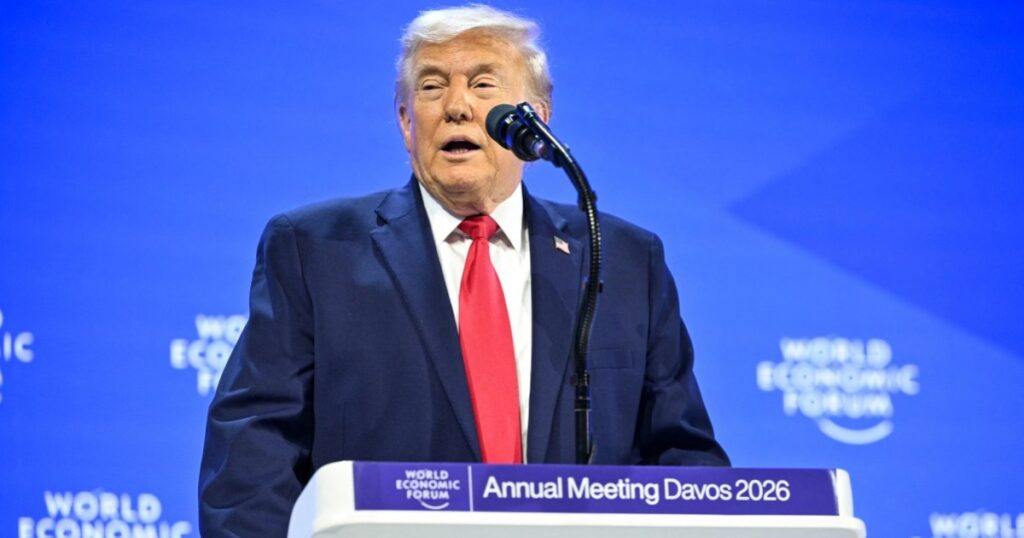
In a significant diplomatic development, US President Donald Trump has officially dropped his previous tariff threat against Greenland and clarified that he will not resort to using military force to acquire the island. This move marks a notable shift in his stance, following earlier speculations about the strategic importance of Greenland and its potential acquisition by the United States. President Trump disclosed that discussions have taken place, resulting in a ‘framework of a future deal’ concerning Greenland and the broader Arctic region. This framework was agreed upon in cooperation with NATO, particularly with Dutch Prime Minister Mark Rutte, signaling a collaborative approach to Arctic affairs. Greenland holds strategic and economic importance due to its geographic location and resource potential in the Arctic Circle. The US interest, initially perceived as aggressive, has now transitioned towards diplomatic negotiations, reflecting the complexities and sensitivities involved in Arctic geopolitics. Trump’s decision to forgo force and instead pursue agreements within the framework of international cooperation aligns with broader geopolitical trends emphasizing diplomacy over confrontation in contentious regions. This development is expected to influence US relations with Denmark, the sovereign nation responsible for Greenland’s foreign policy, and other Arctic stakeholders. The emphasis on a future deal framework indicates ongoing negotiations that aim to balance strategic interests with respect for sovereignty and multilateral engagement. By dropping tariff threats, the US also mitigates potential tensions that could have affected trade relations with European allies, especially those within NATO. The Arctic region, with its emerging shipping routes and vast natural resources, remains a focal point of global interest, involving various nations seeking influence and cooperation. President Trump’s adjustment in approach underscores the dynamic nature of international diplomacy, where initial assertiveness gives way to negotiation and alliance-building. This shift may pave the way for more structured and peaceful Arctic governance, contributing to regional stability. The cooperation with Prime Minister Rutte highlights the role of NATO in facilitating dialogue and ensuring that regional security interests are harmonized among member states. As talks continue, the international community watches for further details on the proposed future deal and how it will address environmental concerns, indigenous rights, and economic opportunities in the Arctic. Ultimately, Trump’s announcement reflects an evolving US foreign policy strategy toward the Arctic, favoring collaboration over confrontation, and signaling a commitment to peaceful engagement in one of the world’s most strategically significant areas.