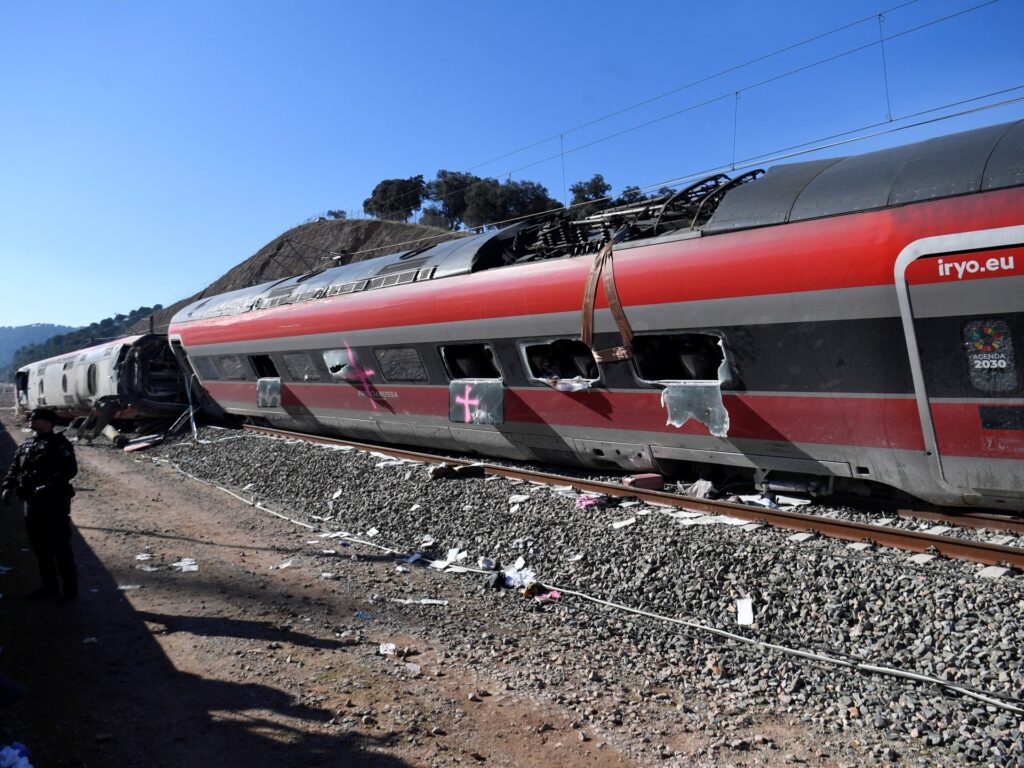
Train drivers in Spain have announced plans to strike in response to a series of deadly derailments that have alarmed the nation and raised serious questions about railway safety. The union representing train operators has blamed what it describes as the “constant deterioration of the railway system” for the recent tragic accidents.
The most devastating incident occurred in southern Spain, where a major train crash resulted in at least 43 fatalities and left dozens more injured. This catastrophe has brought to light urgent concerns regarding the condition and maintenance of Spain’s railway infrastructure.
Union leaders criticized government authorities and railway operators for neglecting critical safety measures and failing to invest sufficiently in infrastructure upgrades. They argue that ongoing neglect has compromised the safety standards of the railway network, putting passengers’ lives at risk.
The proposed strike seeks to draw public attention to these pressing issues and demand immediate action from the authorities. Train drivers and their representatives are calling for enhanced safety protocols, increased funding for infrastructure, and comprehensive inspections to prevent future disasters.
The deadly derailments have sparked national debate about transportation safety and regulatory oversight. Families of victims and injured passengers have demanded accountability and swift reforms to ensure such tragedies do not recur.
Experts highlight that Spain’s railway system has faced increasing challenges due to aging infrastructure, budget constraints, and rising passenger volumes. They maintain that proactive maintenance and modernization efforts are critical to safeguard passenger safety.
As the planned strike looms, transportation services may face disruptions, further highlighting the urgency of addressing the underlying problems. Stakeholders from government agencies to transport unions acknowledge that collaborative efforts will be essential to restore confidence in Spain’s railways.
The union’s action reflects a broader concern within the transportation sector about the sustainability and safety of rail networks in the face of growing demand and financial pressures. It remains to be seen how the government will respond to this call for reform.
Meanwhile, the public continues to mourn the victims of recent derailments, underscoring the human cost of infrastructural shortcomings. The upcoming strike serves as a poignant reminder that safety in public transportation must always be a top priority to protect citizens and prevent future tragedies.