In a significant diplomatic development, Qatar and Saudi Arabia have joined six other countries to form a new initiative called the ‘Board of Peace’ under the auspices of former U.S. President Donald Trump. This coalition aims to support the reconstruction efforts in the Gaza Strip and work towards achieving a ‘just and lasting peace’ in the region.
The Board of Peace represents a coordinated effort among participating nations to address the urgent humanitarian and infrastructural challenges faced by Gaza following years of conflict and instability. The initiative focuses on mobilizing resources, facilitating reconstruction projects, and fostering political collaboration to support long-term stability.
The joining of Qatar and Saudi Arabia lends significant weight to the board, given their influential roles in Middle Eastern geopolitics and their positions as key stakeholders in efforts to resolve the Israeli-Palestinian conflict. Both countries have historically played roles in diplomatic mediation and financial support in the region, and their involvement signals a possible new phase of cooperative peacebuilding.
Alongside Qatar and Saudi Arabia, six other countries have committed to this peace board, although their identities have not been explicitly listed in recent announcements. Together, these nations pledge to work collaboratively on supporting humanitarian aid deliveries, infrastructure rebuilding, and political dialogue initiated to help heal the fractures in Gaza.
The establishment of the Board of Peace aligns with Trump’s previous initiatives aimed at Middle Eastern peace processes, building on his administration’s efforts such as the Abraham Accords, which normalized relations between Israel and several Arab countries. This new board, however, places a stronger emphasis on the rehabilitation and reconstruction of conflict-affected areas, especially Gaza, which has seen extensive devastation.
The main objectives of the Board are clear: to provide a platform for the coordination of international aid, to facilitate transparent reconstruction projects, and to encourage policies that promote reconciliation and enduring peace. The countries involved are expected to work closely with local authorities, international organizations, and other stakeholders to ensure that the rebuilding efforts meet the needs of Gaza’s population.
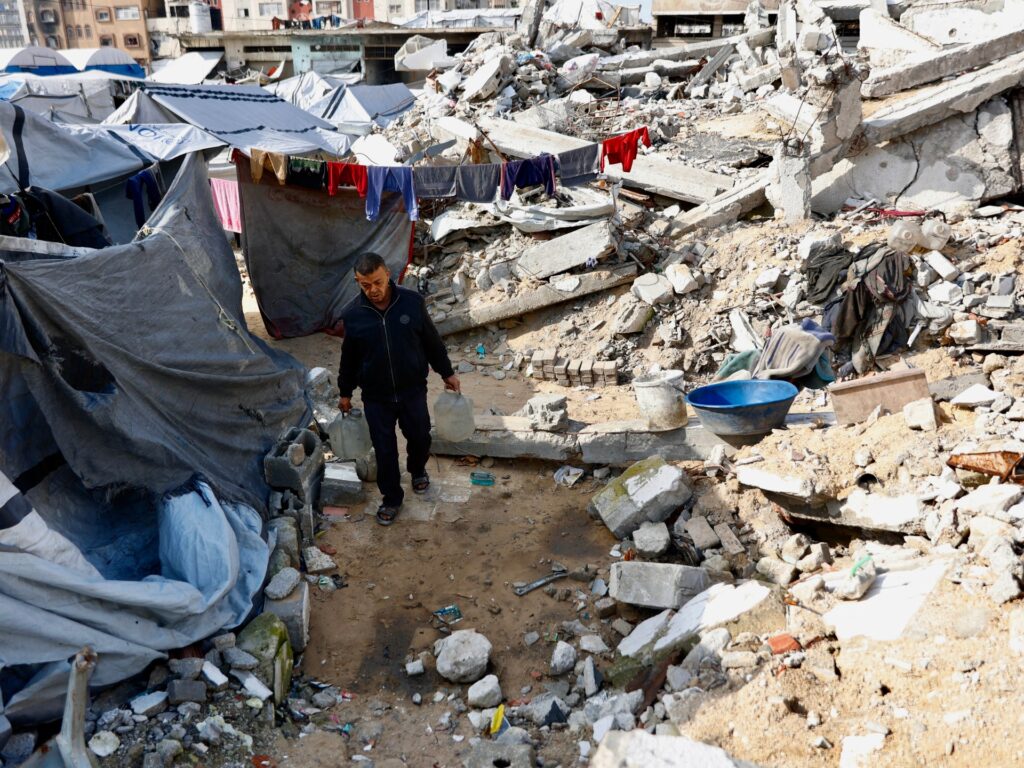
Humanitarian experts have welcomed this initiative, highlighting the critical need for coordinated intervention in Gaza, where infrastructure such as healthcare, education, water, and electricity has suffered due to ongoing conflict and blockades. The reconstruction efforts can potentially pave the way for enhanced socio-economic development and stability in the region.
Despite the optimism, challenges remain. The complex political situation, security concerns, and the need for consensus among diverse actors in the Israeli-Palestinian conflict present obstacles to the board’s goals. Nonetheless, the involvement of influential countries such as Qatar and Saudi Arabia offers a promising foundation for progress.
The formation of the Board of Peace reflects a broader desire among the international community to renew focus on the Gaza crisis and to push for solutions that go beyond temporary ceasefires toward lasting peace. This initiative may help bridge divides and contribute positively to one of the world’s most enduring conflicts.
As the Board of Peace begins its work, its impact will be closely watched by governments, international organizations, and citizens affected by the conflict. The success of this coalition could serve as a model for regional cooperation in conflict resolution and post-conflict recovery efforts globally.
In summary, Qatar and Saudi Arabia’s participation in the Trump-led Board of Peace marks a hopeful step towards addressing the urgent needs in Gaza and advancing a comprehensive peace process in the Middle East. Their leadership, alongside other committed nations, holds the potential to transform the future of Gaza by rebuilding its infrastructure and promoting political stability.