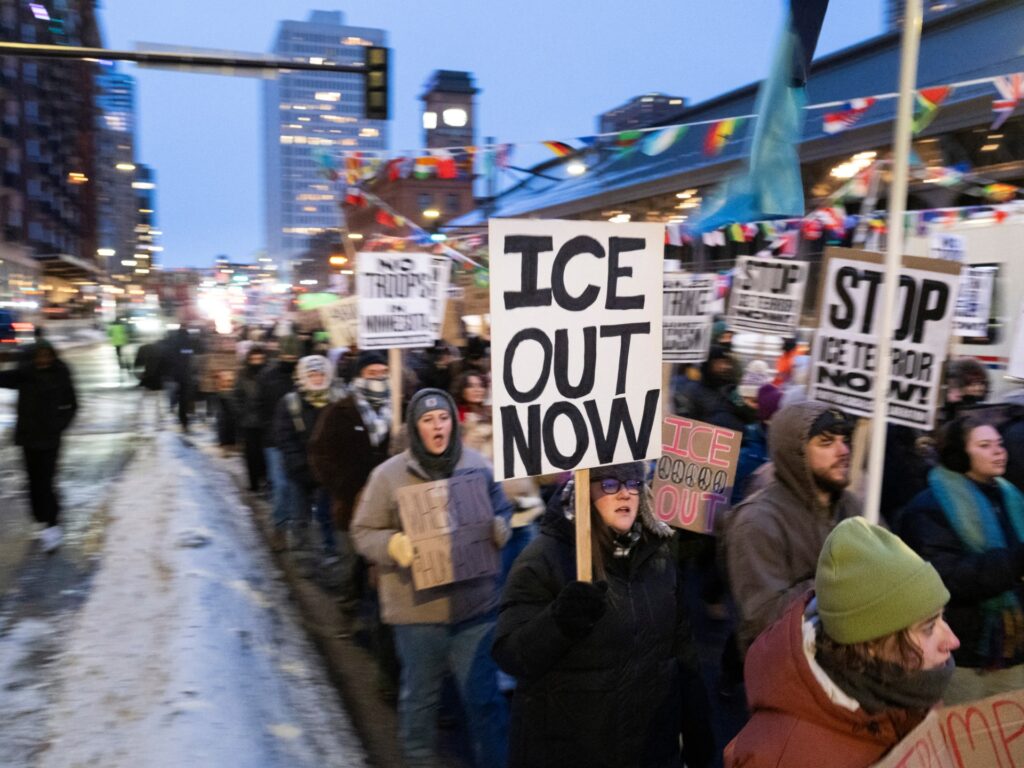
In recent weeks, public opinion regarding the U.S. Immigration and Customs Enforcement (ICE) agency has seen a significant shift. This change comes in the wake of heightened unrest following a controversial killing in Minnesota, which has drawn intense scrutiny to ICE’s practices and policies.
Advocates and human rights observers are warning that the United States may be at a critical ‘inflection point’ with respect to immigration enforcement. They argue that the events in Minnesota underscore the urgent need for the U.S. Congress to intervene and impose stricter regulations on ICE activities.
The incident has sparked widespread protests and brought renewed attention to longstanding criticisms of ICE, including allegations of excessive use of force, lack of transparency, and disregard for human rights. For years, ICE has been a focal point in debates over immigration policy and enforcement, with critics calling for its reform or abolition.
Supporters of these reforms say that the current moment presents an opportunity for legislative action to redefine ICE’s role, improve accountability, and ensure the fair treatment of immigrants. Human rights groups emphasize that without Congressional oversight and legal reforms, ICE’s pattern of controversial conduct is likely to continue.
The public shift appears to reflect growing discomfort among Americans across political lines regarding ICE’s leadership and operational methods. Polls indicate a decrease in support for the agency alongside increased demands for transparency and accountability.
Experts caution that for meaningful change to occur, Congress must act decisively and prioritize immigrant rights in its policy agenda. Some lawmakers have already begun drafting bills aimed at curtailing ICE’s authority, bolstering oversight, and enhancing protections for detainees.
Grassroots organizations and community activists are mobilizing to pressure elected officials, demanding that legislative responses be swift and comprehensive. They warn that failure to act could deepen public distrust and further complicate U.S. immigration policies.
Meanwhile, ICE has defended its practices, asserting that its work is vital to national security and enforcing immigration laws. However, critics argue that national security concerns should not come at the expense of basic human dignity and legal rights.
The killing in Minnesota has become a rallying point, highlighting what many see as systemic issues within ICE and the broader immigration enforcement system. The incident has reignited calls for transparency, compassion, and justice within the immigration debate.
As the nation grapples with these competing perspectives, the role of Congress remains pivotal. The coming months may prove crucial in determining the future trajectory of ICE, immigration enforcement, and the broader American immigration system.
This evolving public conversation reflects deep societal challenges but also offers potential pathways for reform that align law enforcement with respect for human rights and dignity.