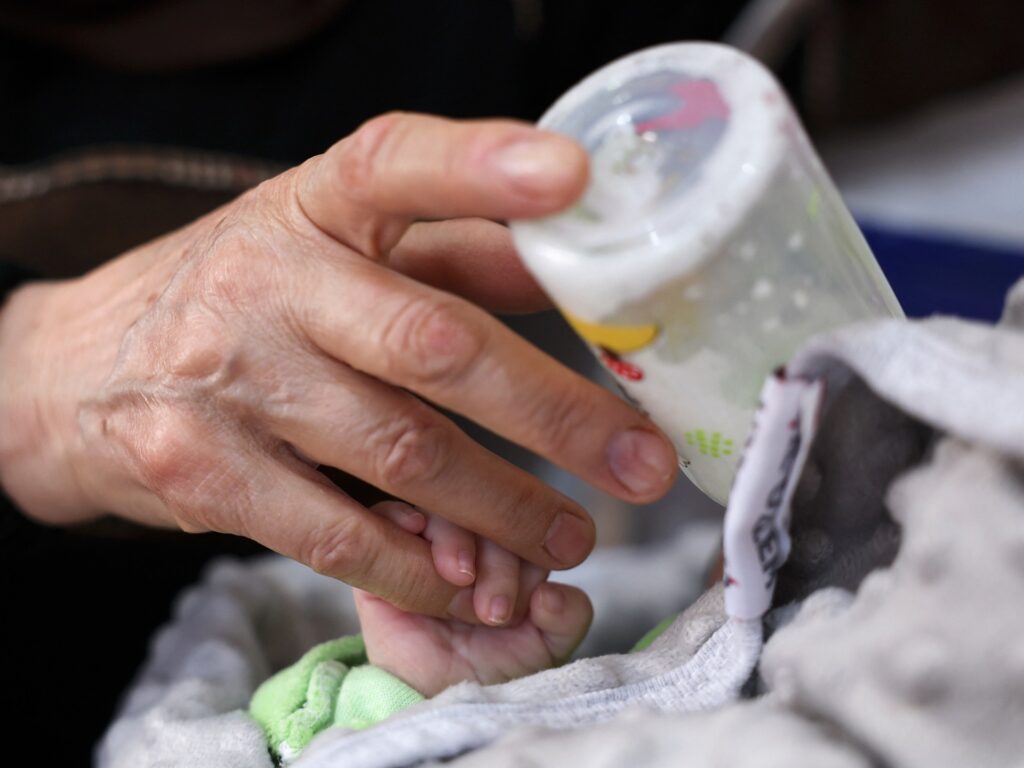
Lactalis, the prominent French dairy company, has recently announced a recall of its baby formula products due to contamination concerns, making it the latest among global firms to take precautionary steps in ensuring infant safety. This move comes amidst a growing wave of caution observed in the baby food industry after several contamination reports prompted significant recalls worldwide.
In parallel, Swiss food giant Nestlé has also initiated recalls of certain batches of its infant formula over fears of harmful toxins potentially affecting product safety. This marks a worrying trend of contamination scares that threaten the confidence of parents and caregivers in essential baby nutrition products.
The self-initiated recalls by these companies underscore the critical nature of stringent quality control and safety protocols in the manufacturing of baby formula, which is a vital nutritional source for infants who cannot be breastfed. Both Lactalis and Nestlé emphasized that the recalls are precautionary, aiming to prevent any potential health risks to infants.
Lactalis, a key player in the global dairy market, stated that the recall affects specific lots of their infant formula, which may have been exposed to contaminants during production. The exact nature of the contaminants has not been publicly disclosed, but safety officials are working to determine the scope and source of the issue.
Similarly, Nestlé mentioned that their recalled batches were identified through routine testing procedures, reflecting the effectiveness of current safety monitoring systems, although concerns about the presence of toxins have led to swift action.
Authorities in several countries have responded to these recalls with increased scrutiny and recommended that parents and caregivers cease using any affected products immediately. Health agencies are advising consumers to contact healthcare professionals if any adverse symptoms are observed in infants who consumed the recalled formula.
The infant formula industry faces ongoing challenges related to contamination risks, which can arise from microbial agents, chemical residues, or equipment malfunctions in production lines. These incidents highlight the importance of continuous surveillance and stringent regulatory adherence.
Experts stress that while such recalls are alarming, they are crucial preventative measures that underscore the industry’s commitment to child health and safety. Manufacturers are investing more in advanced testing technologies and improving supply chain transparency to minimize future risks.
The recent recall by Lactalis comes on the heels of previous major incidents in the dairy sector that have raised global awareness about infant food safety. Parents are urged to stay informed through official company statements and health advisories, ensuring they only provide safe products to their children.
In conclusion, the recalls by Lactalis and Nestlé serve as a reminder of the persistent vigilance needed in the production and distribution of infant nutrition products. With ongoing efforts from manufacturers, regulators, and health organizations, the goal remains to safeguard public health and maintain trust in essential baby food products worldwide.