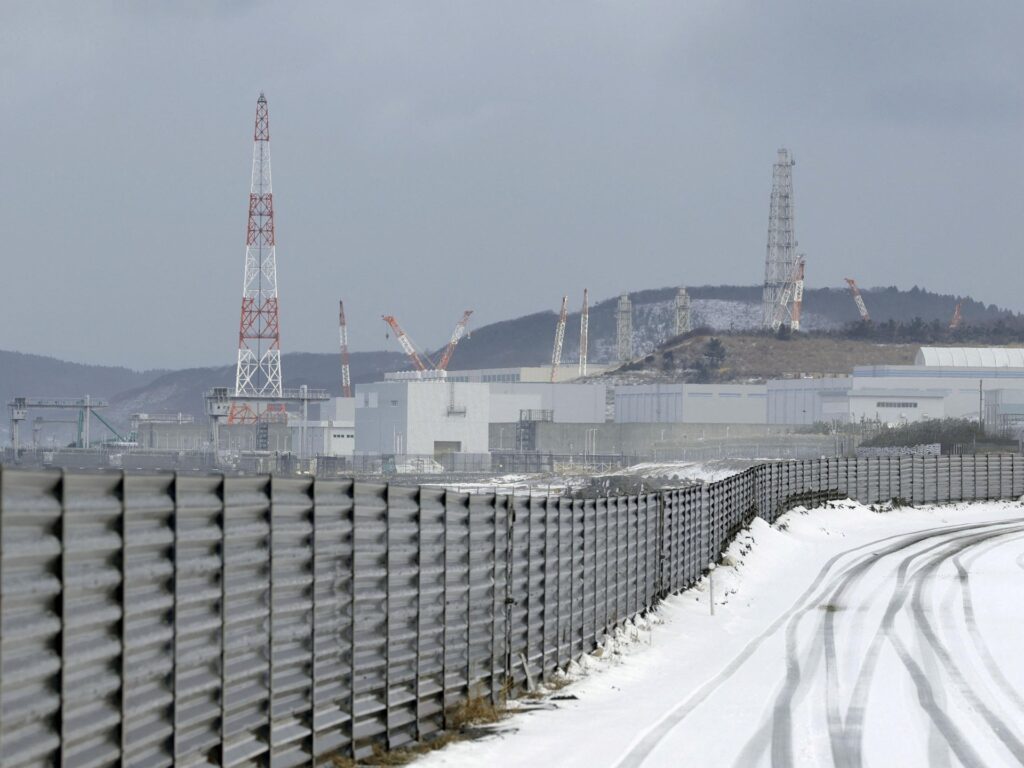
Japan has halted the operations of the No. 6 reactor at the Kashiwazaki-Kariwa nuclear power plant, the largest nuclear complex in the world, just a day after it was restarted. The suspension was prompted by a malfunction related to the reactor’s control rods, a critical safety component that helps regulate the nuclear reaction within the plant.
The Kashiwazaki-Kariwa plant, located in Niigata Prefecture, has been a focal point for Japan’s nuclear power strategy, especially as the country seeks to diversify its energy sources amid global shifts toward sustainable energy. However, given Japan’s history with nuclear incidents, particularly the 2011 Fukushima disaster, safety concerns remain paramount.
The control rods in a nuclear reactor are essential for balancing the nuclear fission reaction by absorbing neutrons. The malfunction that led to the shutdown raised immediate alarms, prompting the plant’s operator to take swift precautionary measures. Despite the brief period of operation, officials insisted that the decision to shut down the reactor was part of stringent safety protocols designed to prevent any potential risks.
The restart of the No. 6 reactor was part of a broader effort to bring more nuclear reactors back online in Japan. Following the Fukushima disaster, many reactors across the country were shut down for rigorous safety checks and retrofitting. The recent relaunch was a sign of progress in regaining public trust and ensuring Japan’s energy security.
However, this incident underscores the challenges and risks inherent in operating nuclear facilities. It also highlights the delicate balance that regulators and plant operators must maintain between advancing nuclear energy use and guaranteeing the utmost safety for surrounding communities.
Local government officials and residents expressed concern over the shutdown, though many appreciated the cautious approach taken by TEPCO, the plant’s operator. The company has pledged to thoroughly investigate the root cause of the control rod malfunction and implement measures to prevent recurrence.
Energy experts suggest that while nuclear power remains a vital component of Japan’s energy mix, incidents like this underscore the need for continuous improvement in technology and safety measures. They also stress the importance of transparent communication with the public to build confidence in nuclear power’s role in achieving energy stability and reducing carbon emissions.
This event could have implications for Japan’s ongoing nuclear policy, affecting timelines for the restart of other reactors. It also arrives amid international discussions on energy security and the transition to low-carbon energy sources.
As Japan navigates these complex dynamics, the safety and reliability of its nuclear infrastructure will continue to be under scrutiny. The incident at Kashiwazaki-Kariwa serves as a reminder of the critical importance of vigilance, technological rigor, and comprehensive safety procedures in the operation of nuclear power plants.
Stakeholders across the board, from government officials to local communities and energy planners, will be watching closely as TEPCO’s investigation unfolds, eager for reassurances that the lessons learned from this shutdown will lead to stronger safeguards and more resilient nuclear energy operations in Japan.