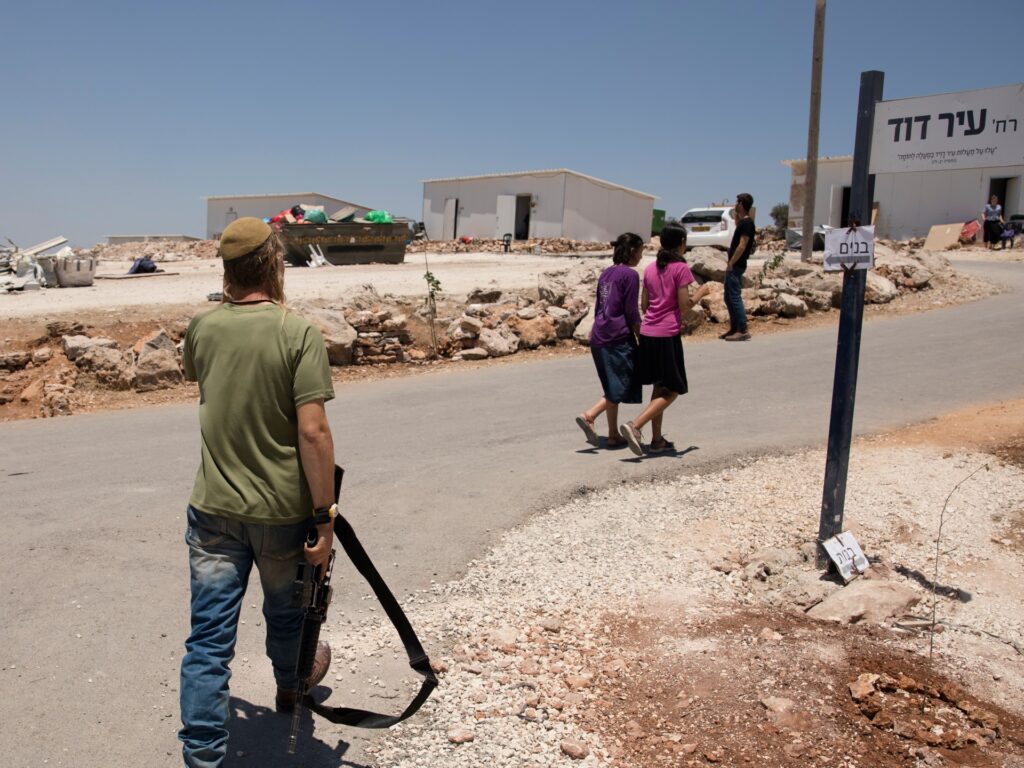
An Israeli minister has recently approved gun licences for residents in 18 illegal settlements located in the West Bank. This decision has sparked significant controversy and concern, both within the region and internationally, as it comes at a time when violence in the area is escalating.
The West Bank is a highly contested region, with numerous Israeli settlements considered illegal under international law but disputed by Israel. These illegal settlements are a flashpoint for ongoing conflict between Israeli settlers and Palestinian inhabitants.
In 2025, the United Nations reported that more than 1,800 settler attacks against Palestinians were documented in the West Bank. This staggering figure amounts to about five attacks per day, highlighting the intensifying strife in the area. These attacks include physical violence, property damage, and harassment, contributing to a deteriorating security situation for Palestinians living in the region.
The decision to approve gun licences for settlers in these controversial and illegal settlements has raised alarms about the potential for increased violence and instability. Critics argue that arming settlers may embolden aggressive actions and further exacerbate tensions, possibly leading to more frequent and severe confrontations.
Supporters of the move contend that providing legal firearms to settlers is a necessary measure for self-defense, especially given the perceived threats and attacks by Palestinian militants and others against Israeli settlers. They argue that this decision aims to enhance the settlers’ security amid ongoing hostility.
International reactions to the approval of gun licences have been cautious but largely critical. Many global actors emphasize that such measures undermine peace efforts and violate international agreements. The United Nations, in particular, continues to advocate for the protection of Palestinian rights and calls for the cessation of settlement expansions and associated militarization.
The approval of gun licences in illegal settlements is also complicating political dynamics within Israel. The move reflects a broader hardening stance by certain political factions supportive of settlement expansion and increased security measures for settlers. This contrasts with other Israeli voices pushing for restraint and renewed peace negotiations with the Palestinians.
Human rights organizations have voiced strong objections to the licensing decision, warning that it not only legitimizes illegal settlements but also encourages a culture of violence that disproportionately harms Palestinian civilians. They call for international pressure to reverse such policies and hold accountable those perpetuating violence.
The Israeli government’s move to arm settlers is set against a backdrop of escalating violence in the West Bank, where clashes between settler militias and Palestinian groups have become more frequent. The distribution of firearms is feared to increase the death toll and undermine any prospects for peaceful resolution.
This development also raises concerns about the future of the Israeli-Palestinian conflict, which remains unresolved after decades. The ongoing settlement activity, combined with militarization measures like these gun licences, signals a shift away from diplomacy toward entrenchment and confrontation.
In conclusion, the recent approval of gun licences for residents of 18 illegal West Bank settlements by an Israeli minister marks a significant and controversial development in the Israel-Palestine conflict. It coincides with troubling data from the United Nations documenting a high rate of settler attacks against Palestinians, reflecting a deeply volatile and dangerous environment. The decision has drawn condemnation from international and human rights bodies, highlighting the urgent need for renewed efforts toward peace and security in the region.