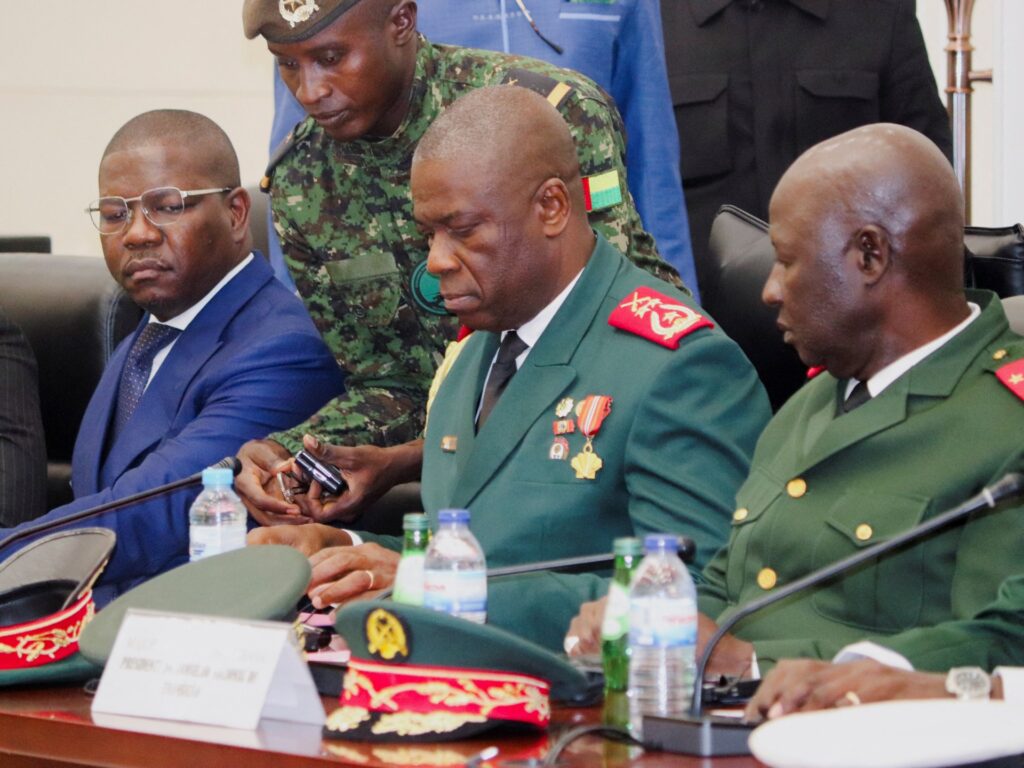
Guinea-Bissau, the West African nation that experienced a coup d’état last year, has officially announced December 6 as the date for its upcoming legislative and presidential elections. This decision aims to restore democratic governance and political stability in the country, which has faced considerable turmoil since the coup.
The military takeover raised significant concerns across the international community about the future of governance and the rule of law in Guinea-Bissau. Since then, efforts have been underway both domestically and from international actors to set the nation back on a democratic path.
The scheduled elections will involve the selection of both legislative representatives and the president, marking a crucial step in Guinea-Bissau’s political timeline. This move is seen as vital to re-establish constitutional order and legitimacy for the government.
Political stakeholders in the country have welcomed the announcement, seeing it as an opportunity to move forward and rebuild the political system. However, there remain challenges concerning security and ensuring a fair and transparent electoral process.
The African Union, the Economic Community of West African States (ECOWAS), and other international partners have pledged support and monitoring resources to help facilitate credible elections. They emphasize that these polls are essential for peace, stability, and development in Guinea-Bissau.
Historically, Guinea-Bissau has endured political instability, with a series of coups and attempted coups since gaining independence. The recent coup disrupted the fragile political balance and delayed scheduled elections.
Setting a confirmed date for elections is a significant milestone in the nation’s effort to overcome political crisis and is expected to revive confidence among citizens and international investors alike.
Preparations are now underway across the country to organize voter registration drives, educate the electorate on their voting rights, and ensure security arrangements for citizens during the electoral period.
Observers will be closely watching the lead-up to the December 6 elections to assess whether Guinea-Bissau can successfully navigate this critical juncture towards democratic restoration.
This announcement brings a hopeful moment for a country striving to secure a stable and prosperous future after a period marked by uncertainty and political upheaval.