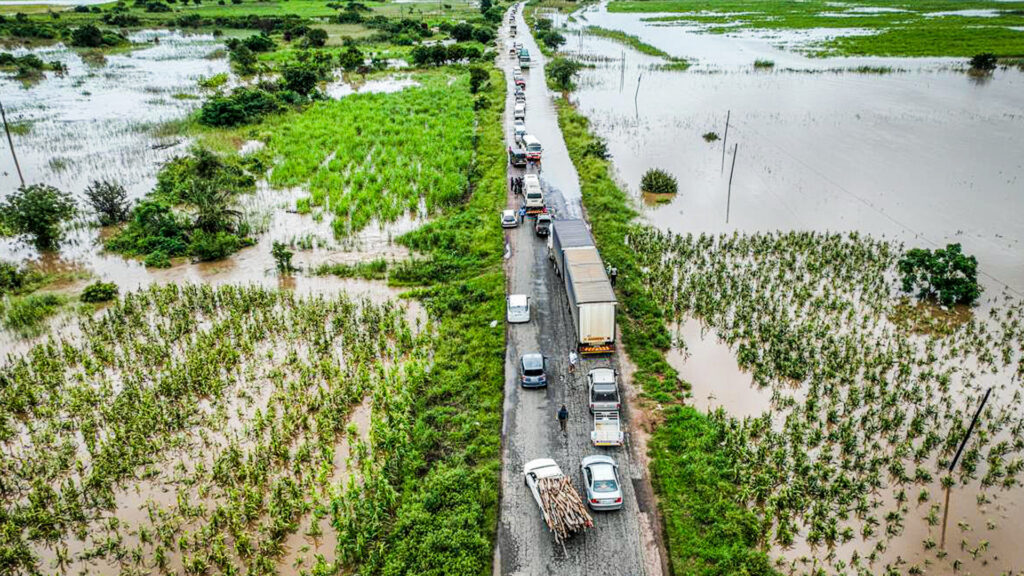
Southern Africa is currently grappling with severe flooding that has wreaked havoc across the region. The persistent rains have caused rivers to overflow, leading to widespread submersion of roads, homes, and schools. This extreme weather event has forced the evacuation of thousands of residents from the hardest-hit areas, as safety concerns mount.
The flooding has disrupted everyday life, cutting off access to essential services and leaving many communities isolated. Infrastructure such as bridges and roads have been damaged or washed away, complicating relief and rescue operations. Schools in several districts have been closed, with buildings inundated and rendered unsafe for students and staff.
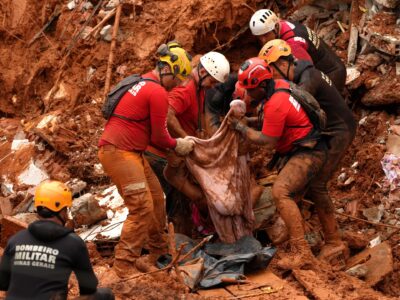
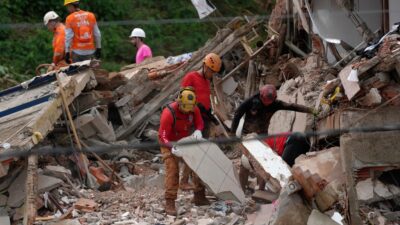
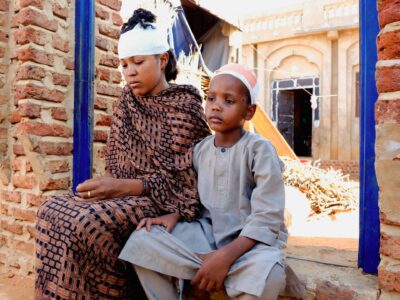
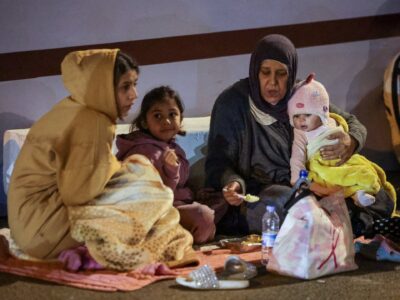
Local authorities and emergency services are actively engaged in evacuation and rescue efforts, prioritizing vulnerable populations including children, the elderly, and those with disabilities. Temporary shelters are being set up to provide displaced families with safe refuge, food, and medical care.
Health officials are raising alarms about the potential for waterborne diseases to spread in the aftermath of flooding, urging communities to exercise caution and maintain hygiene. Aid organizations are mobilizing resources to provide emergency assistance, including clean water, food supplies, and medical support.
The economic impact of the flooding is expected to be significant, with damage to agricultural land threatening food security in the region. Crop losses and destroyed infrastructure have the potential to exacerbate existing challenges in the affected countries, requiring long-term recovery and rehabilitation efforts.
Climate experts point to changing weather patterns as contributors to the increased severity and frequency of such natural disasters in southern Africa. Governments are being called upon to enhance disaster preparedness, invest in resilient infrastructure, and implement effective early warning systems to mitigate future risks.
Communities are showing resilience and solidarity as they band together to support those affected. Volunteer groups and local organizations are playing crucial roles in delivering aid and fostering community spirit during this difficult time.
Global humanitarian agencies are monitoring the situation closely, ready to provide international support if necessary. Continued monitoring of weather forecasts and river levels is vital as the region braces for possible further rainfall.
This flooding crisis serves as a stark reminder of the vulnerability of southern Africa to climate-induced disasters and underscores the urgent need for coordinated actions to build resilience and safeguard lives and livelihoods.