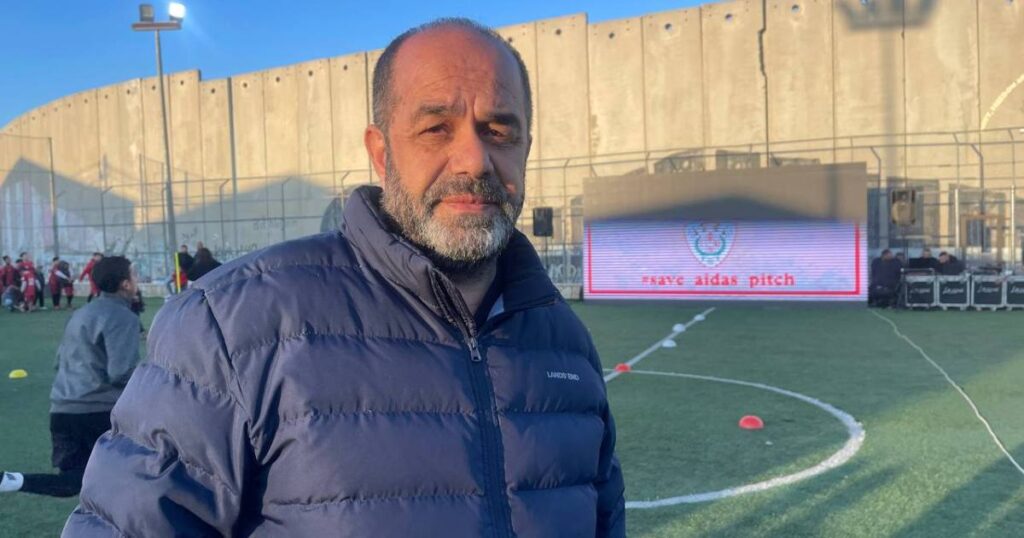
The Aida refugee camp has been thrust into uncertainty following reports that Israel has halted the demolition of its football pitch, which serves as a crucial recreational area for the community. However, Palestinian authorities have denied these reports, stating that no official halt has been ordered, and the threat of demolition remains imminent.
The football pitch in Aida camp, located near Bethlehem, holds significant importance to the residents, particularly the youth. It offers a rare space for sports and social interaction amid the hardships faced by the camp inhabitants.
Reports of a delay in demolition had initially brought hope to the community, suggesting a pause in Israeli actions that have previously targeted their limited infrastructure. The pitch has been at risk due to Israeli plans citing security and administrative reasons, a justification often contested by the Palestinians and human rights organizations.
Palestinian officials reaffirm that they have received no confirmation from Israeli authorities about a cessation of the demolition plans. This denial has contributed to confusion and concern among the residents, who fear losing one of their few communal spaces.
Human rights groups have criticized the repeated demolition of community facilities in Palestinian territories, highlighting the adverse effects on the quality of life for residents. They argue that these demolitions violate international laws and exacerbate tensions in the region.
The football pitch represents more than just a playing field; it is a symbol of normalcy and hope for the youth in Aida camp, offering a sanctuary from the challenges of displacement.
Local leaders have called for international intervention to prevent the demolition and ensure the protection of community spaces within refugee camps. They stress the need for dialogue and understanding to avoid further deterioration of relations and the humanitarian situation.
The situation remains fluid, with residents and advocates closely monitoring developments. The future of the football pitch remains uncertain, highlighting the ongoing struggles faced by Palestinian communities in maintaining their infrastructure and environment amid political complexities.
This incident underscores the broader conflict dynamics in the West Bank and the critical role that such seemingly small spaces play in the social fabric of refugee camps. It also places a spotlight on the imperative for peaceful solutions and respect for the rights and dignity of all communities involved.