In a dramatic turn of events, Wall Street experienced its worst day since October, reflecting the intensification of geopolitical tensions sparked by former President Donald Trump’s renewed threats to acquire Greenland. The announcement has rattled investors, causing widespread volatility across global stock markets and a sharp decline in the US dollar.
The stock market downturn is attributed largely to investor uncertainty and concerns over potential international conflicts arising from Trump’s aggressive stance on Greenland, an autonomous Danish territory rich in natural resources and strategic location. Trump’s proposal to purchase Greenland has been met with widespread criticism from political leaders both within the United States and internationally, as well as skepticism from economists and market analysts.
Greenland’s geopolitical significance is considerable, particularly due to its location in the Arctic, a region of mounting strategic importance amid climate change and emerging economic opportunities. The prospect of a US acquisition could upset existing alliances, notably between Denmark and the United States, and could provoke broader geopolitical instability in the Arctic and beyond.
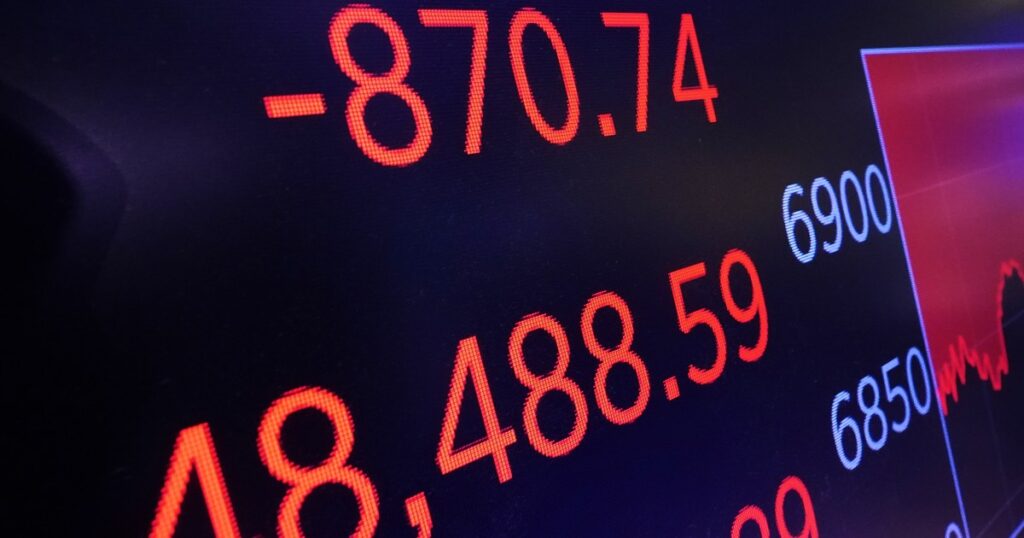
On Wall Street, major indices plummeted, with the Dow Jones Industrial Average recording a significant drop, followed by considerable losses in the S&P 500 and Nasdaq Composite. Investors moved swiftly to sell off shares, seeking safer assets amid fears of escalating diplomatic tensions leading to trade disruptions or even sanctions.
Simultaneously, the US dollar weakened sharply against major currencies as uncertainty undermined confidence in the US economy’s stability. The dollar’s decline further exacerbated market anxiety, fueling a round of volatility that spread to commodities and bond markets.
Market analysts suggest that Trump’s rhetoric could trigger a period of significant financial uncertainty, urging the administration and global leaders to engage in dialogue to de-escalate tensions.
Economists highlight that while the immediate financial impact appears severe, extended market chaos could be mitigated if diplomatic solutions are pursued prudently. The episode underscores the delicate balance between political actions and economic stability in a globalized financial system.
Investors are now closely monitoring forthcoming political developments and international responses to gauge the potential trajectory of market recovery or further declines.
In summary, Wall Street’s sharp tumble and the dollar’s plunge reflect the profound influence politics can exert on economic realities. The situation remains highly fluid, with heightened attention on diplomatic maneuvers and economic policies that could either stabilize or further unsettle the markets.