US trade dynamics have seen a significant shift in recent years, particularly in the context of the tariffs imposed during the Trump administration. While trade data reveals a marked decline in exports from China, US customers are increasingly turning to alternative markets, especially Southeast Asia and Taiwan, to meet their needs. This trend highlights a strategic diversification of supply chains and sourcing by American businesses in response to tariff pressures and geopolitical challenges.
The imposition of tariffs on Chinese goods, starting in 2018, aimed to address trade imbalances and intellectual property concerns. However, these tariffs have had broad effects on trade patterns, contributing to reduced US imports from China. Despite this, demand for manufactured goods and components remains strong, prompting US firms to seek other reliable suppliers in the Asia-Pacific region.
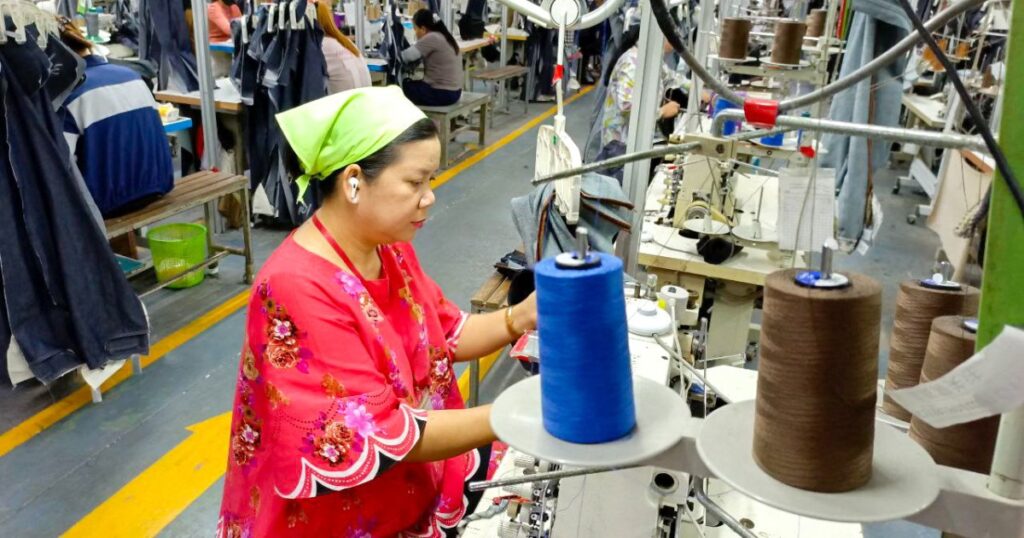
Southeast Asia has emerged as a crucial beneficiary of this shift. Countries such as Vietnam, Thailand, Malaysia, and Indonesia have seen robust growth in exports to the US. These nations leverage competitive labor costs, improving infrastructure, and participation in numerous free trade agreements, making them attractive alternatives to China. Vietnam, in particular, has gained prominence due to its expanding manufacturing sector, especially in electronics and textiles.
Taiwan has also played a vital role in this landscape. Known for its semiconductor industry and high-tech manufacturing capabilities, Taiwan has increased its exports to the US. The strong demand for semiconductors and electronic components in the US market has driven deeper trade ties with Taiwan, reflecting the critical nature of these supply chains.
The surge in trade with Southeast Asia and Taiwan underscores US efforts to diversify its economic partnerships and reduce reliance on China. This strategy aims to enhance supply chain resilience, ensure continuity of critical goods, and mitigate geopolitical risks. It also reflects a broader trend among multinational corporations reevaluating their global production footprints.
Importantly, this shift has implications beyond trade statistics. For Southeast Asian economies, increased US demand translates into job creation, industrial development, and greater integration into global markets. For the US, it means access to diversified sources for essential goods and potential stimulation of domestic innovation by securing key inputs.
Despite these positives, challenges exist. Supply chain adjustments require investments and logistical coordination, and geopolitical tensions in the region remain a potential source of uncertainty. Moreover, while diversification reduces dependence on China, it does not eliminate the global interconnectedness of supply chains.
Analysts observe that the evolving trade patterns may continue as long as tariff measures persist and geopolitical frictions remain unresolved. Businesses and policymakers are thus closely monitoring these trends to balance economic efficiency, national security, and diplomatic relations.
In summary, although US exports from China have dramatically fallen owing to tariffs, trade with Southeast Asia and Taiwan is surging. This shift highlights a strategic move by the US and its businesses toward a more diversified and resilient trade network in the Asia-Pacific, driven by economic necessity and geopolitical considerations.