The United States Justice Department has launched an investigation into officials in Minnesota following reports that they may have obstructed federal immigration agents in the course of carrying out their duties. This action comes amid a series of federal migration raids aimed at enforcing immigration laws.
The probe will focus on whether Minnesota officials intentionally blocked or hindered Immigration and Customs Enforcement (ICE) agents and other federal authorities from executing their immigration enforcement responsibilities within the state. Such interference, if confirmed, could have significant legal and political ramifications.
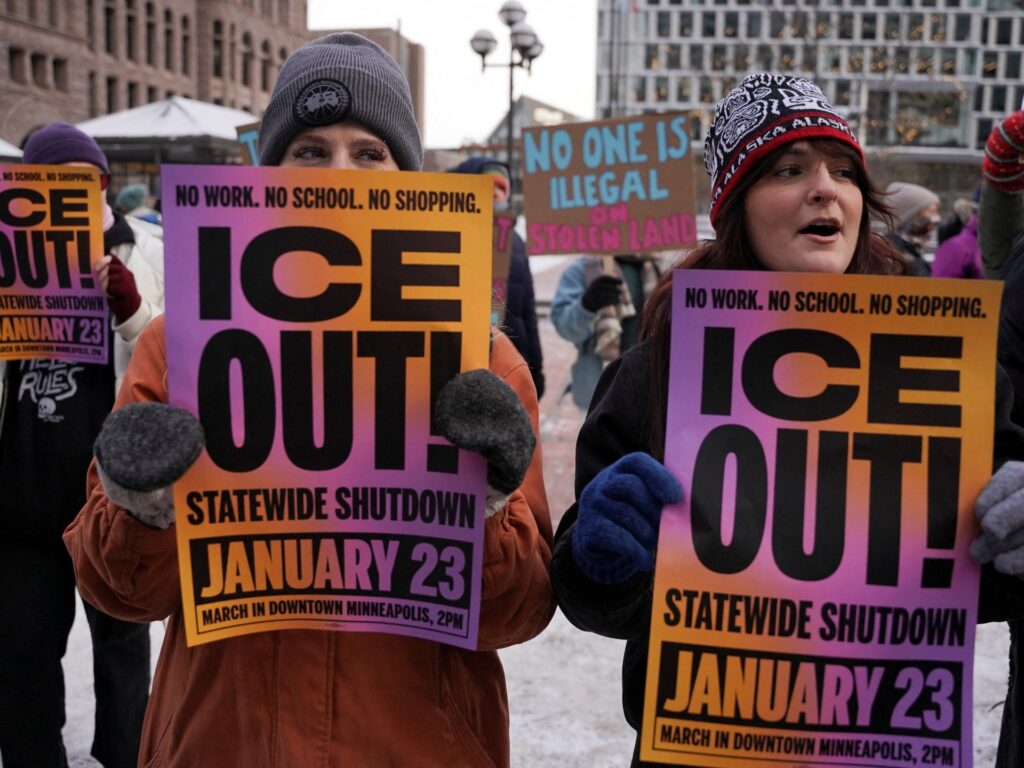
Minnesota has been a focal point of national discussion on immigration enforcement, especially given its diverse population and political climate that often emphasizes local authority over federal mandates in matters of immigration. State and local officials in Minnesota, including law enforcement and political leaders, have variously expressed opposition to stringent immigration raids, citing community trust and humanitarian concerns.
This investigation forms part of a broader federal stance aimed at reinforcing immigration laws and ensuring that federal agents can act without undue obstruction by state or local governments. The Justice Department’s inquiry is expected to review actions taken by Minnesota officials, communications and policies that may have impacted federal operations, and the outcomes of the reported raids.
The Department has not yet detailed the specific officials under investigation or the exact nature of the alleged blockades. However, this move underscores the federal government’s resolve to assert its jurisdiction over immigration enforcement, even in states where local policies may conflict with federal priorities.
Public response to the investigation has been mixed, with some advocating for strict immigration enforcement and others warning against undermining community relations and local autonomy. Civil rights groups have also weighed in, emphasizing the need to balance enforcement with respect for residents’ rights and due process.
As the inquiry proceeds, a comprehensive evaluation of cooperation between federal and Minnesota officials will be crucial. The results could lead to policy changes, legal actions, or adjustments in how immigration laws are enforced across jurisdictions.
This development is part of a wider national debate on immigration policy, enforcement practices, and the roles of different levels of government in managing migration issues. The outcome of the Justice Department’s investigation may set a precedent for similar cases in other states, shaping the future landscape of immigration enforcement in the United States.