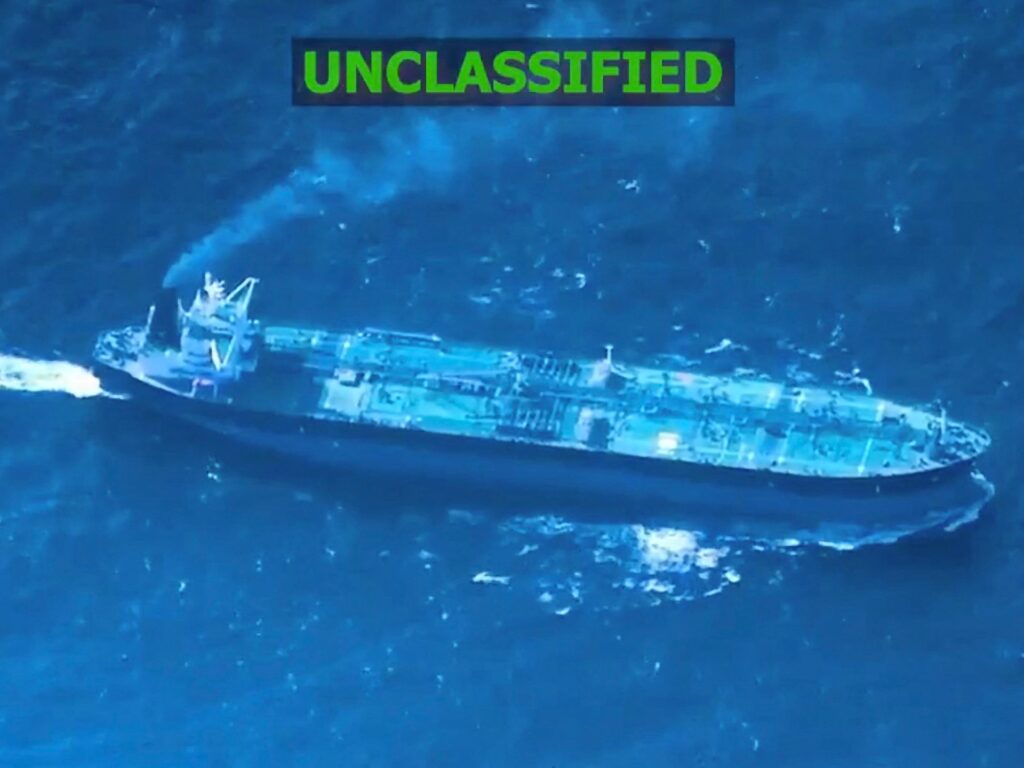
In a significant escalation of its ongoing campaign against Venezuelan oil interests, the United States has seized its seventh oil tanker linked to Venezuela this month. This continuing action underscores Washington’s determination to assert tight control over the production and sale of Venezuelan oil, following a series of aggressive measures aimed at Venezuela’s energy sector.
The latest seizure marks a critical point in the US’s enforcement of sanctions targeting Venezuela’s oil exports. These sanctions have been a key tool in the US strategy to pressure the Venezuelan government amid political and economic turmoil. Venezuelan oil has traditionally been a major revenue source for the country, and curtailing its export is intended to limit resources available to the administration in power.
Officials from the US Department of Justice and the Treasury Department have emphasized the strategic importance of these actions, asserting that the seizures are necessary to uphold international laws and sanctions imposed due to concerns over corruption and authoritarian governance in Venezuela.
This seizure comes against a backdrop of heightened tensions in US-Venezuela relations. Earlier this month, the US launched a series of measures against Venezuela, including sanctions targeting the country’s petroleum industry, which is one of the largest and most vital components of its economy.
The oil tanker in question was intercepted in international waters, and its cargo was suspected of being illicitly transported oil, which, according to US authorities, violated sanctions. The US Coast Guard and other agencies have been actively patrolling key maritime routes to enforce these measures.
Venezuela’s government has condemned the acts as illegal and a violation of its sovereignty, condemning the US actions as economic aggression disguised as legal enforcement. In response, Caracas has called for international support and challenged the legality of the US seizures in international courts and forums.
Experts say that these developments could further destabilize the already fragile Venezuelan energy sector and exacerbate the country’s economic crisis. The continued US intervention poses significant risks to global oil markets, particularly concerning supply stability given Venezuela’s substantial oil reserves.
Traders and analysts worldwide are closely monitoring the situation, as ongoing seizures and sanctions have driven up concerns over shipping insurance costs and the rerouting of tankers, potentially leading to increased oil prices on the global market.
This development signals the continuing strategic rivalry over energy resources in Latin America, with the US demonstrating a clear policy stance against the Venezuelan regime. The bold seizure of the seventh tanker reflects Washington’s commitment to curbing what it describes as illicit oil trafficking and to enforcing sanctions rigorously.
As the standoff persists, the international community watches closely, mindful of the broader implications for geopolitical stability in the region and for the global energy landscape as a whole.