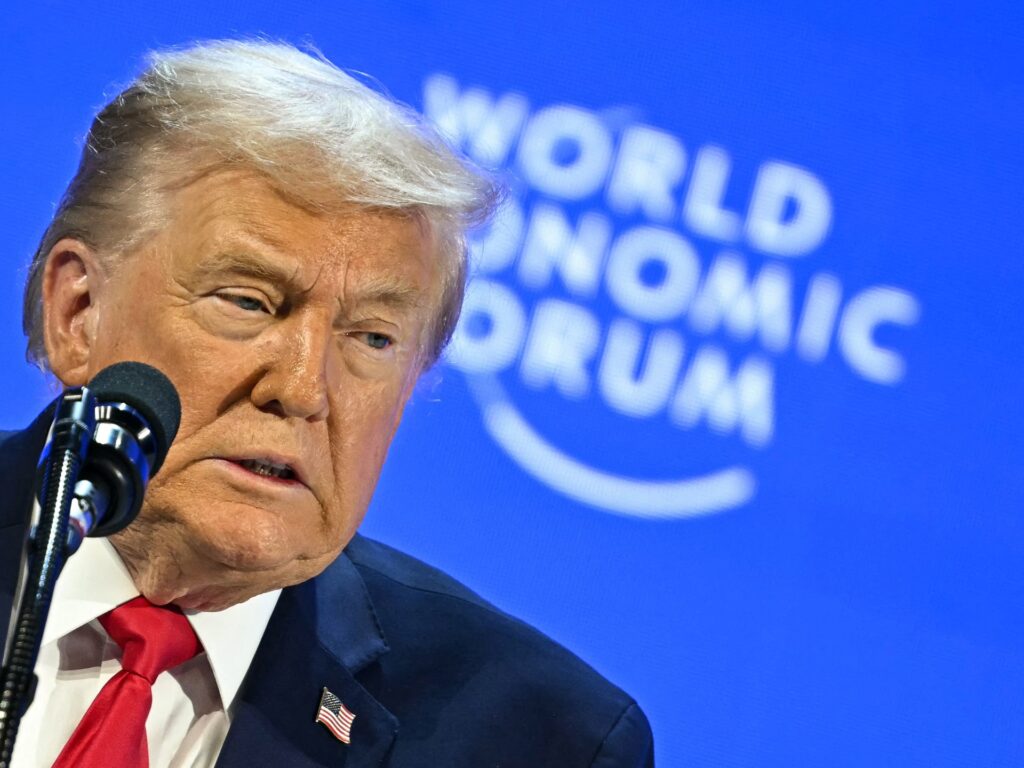
In a recent address at the World Economic Forum, the United States president clarified his stance regarding the potential acquisition of Greenland. Contrary to some speculative reports, the president firmly stated that he would not use force to acquire the territory. This announcement comes amid heightened tensions in Europe, where the strategic importance of Greenland has sparked international interest.
During his speech, the president highlighted the unique geopolitical and economic value of Greenland, referring to its natural resources and strategic position in the Arctic. He indicated that the U.S. government would engage in numerous discussions concerning Greenland, signaling plans for diplomatic and economic negotiations rather than military intervention.
The president’s remarks have been closely watched by global leaders, especially those from Europe and the Nordic countries, who view Greenland as a critical point in Arctic geopolitics. The emphasis on peaceful negotiation reflects a broader U.S. approach to international relations, prioritizing dialogue over conflict.
Greenland, a vast island under Danish sovereignty, has garnered increased attention due to its untapped resources and emerging navigation routes resulting from melting Arctic ice. The U.S. interest in Greenland is driven by both strategic military considerations and economic opportunities.
This development follows earlier reports that suggested U.S. ambitions might include an aggressive approach to acquire Greenland, which were met with criticism and concern from Denmark and other European nations. The president’s assurance that force will not be used helps to ease some of these tensions.
The World Economic Forum provided a significant platform for the president to address these concerns directly, amidst broader discussions on global cooperation and conflict resolution. His commitment to holding “many meetings” indicates a forthcoming series of diplomatic engagements intended to clarify the United States’ intentions and work towards mutually beneficial agreements.
Analysts suggest that any actual acquisition or increased U.S. presence in Greenland would require complex negotiations involving Denmark and the local Greenlandic government. Sovereignty issues, environmental concerns, and the interests of indigenous populations are likely to play significant roles in the talks.
As the situation develops, the world watches to see how U.S. diplomacy shapes the future of Greenland and the broader Arctic region, balancing national interests with international stability and cooperation.