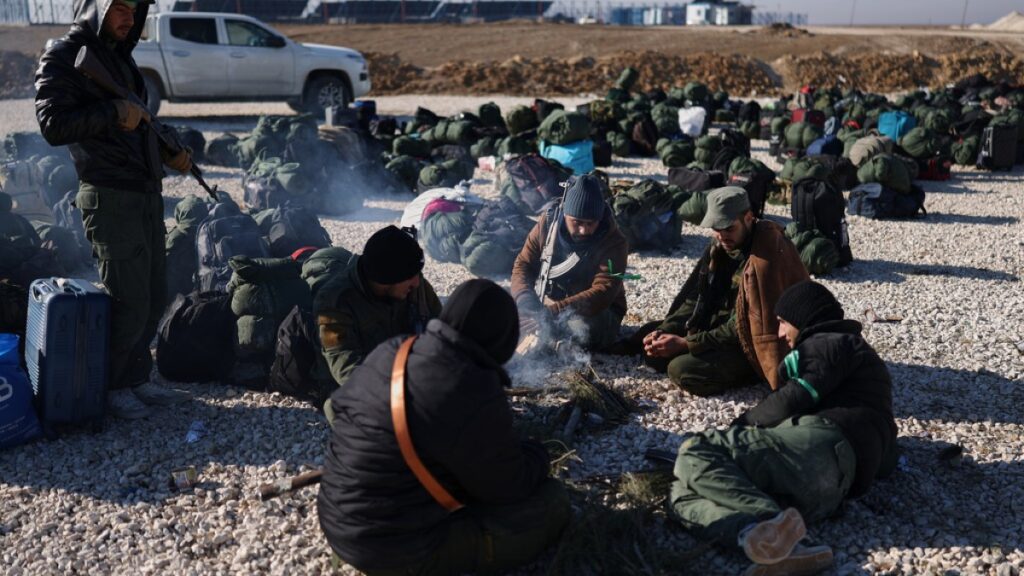
In a significant development in the ongoing conflict in Syria, the Syrian army has taken control of a camp that houses thousands of detainees linked to the Islamic State of Iraq and the Levant (ISIL). This move marks a critical shift in the control of facilities holding individuals associated with the extremist group.
The camp, which had previously been under the administration of the Syrian Democratic Forces (SDF), is home to a large population of ISIL-linked detainees. The transition of control to the Syrian government forces signifies a crucial change in the management and security of these high-risk inmates.
SDF Chief Mazloum Abdi has publicly urged the US-led coalition to assume responsibility for the security and management of such facilities, especially those that are now under the governance of the Syrian authorities. Abdi emphasized the importance of international support and cooperation to ensure that the detainees are properly managed and that any potential security threats are mitigated.
The SDF has been a key ally in the fight against ISIL, receiving support and backing from the US-led coalition in their operations. However, with shifting control and the Syrian army regaining territory, there is an increasing need to clarify roles and responsibilities to avoid security lapses that could allow ISIL-linked detainees to exploit vulnerabilities.
The international community has expressed concern about camps housing ISIL affiliates, where large numbers of detainees create complex security challenges. Ensuring these camps remain secure is critical to preventing ISIL resurgence and safeguarding regional stability.
This recent event underscores the ongoing complexities of the Syrian conflict, where multiple factions and international actors continue to influence the security landscape. The cooperation between the Syrian government, the SDF, and the US-led coalition will be pivotal in securing these facilities and managing detainees effectively.
As the Syrian army consolidates control over the camp, attention is now focused on how the transition will be managed operationally. The maintenance of security protocols, humanitarian standards, and effective detention processes will be key factors determining the outcome.
The call by SDF Chief Abdi highlights the broader issue of accountability and the distribution of security responsibilities among local and international actors. With thousands of detainees linked to ISIL, their detention facilities represent critical points of concern that demand coordinated efforts.
In summary, the Syrian army’s takeover of the camp housing ISIL-linked detainees introduces new dynamics in the region’s efforts to combat terrorism and manage high-risk prisoners. The effectiveness of this transition will depend heavily on cooperation among all parties involved, especially the US-led coalition’s role in supporting facility security under government control.
This development is a reminder of the fragile security environment in northeastern Syria and the ongoing challenges that come with stabilizing and securing areas affected by prolonged conflict and extremism. The international community remains watchful as the situation unfolds, emphasizing the need for sustained vigilance and collaboration to prevent any setbacks in the fight against ISIL.