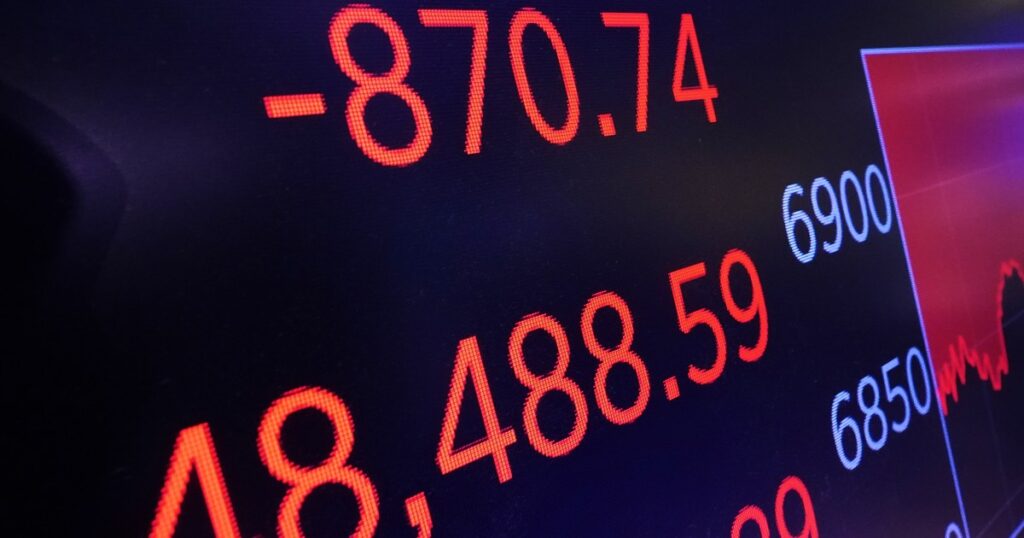
Global stock markets experienced significant declines as tensions escalate following President Donald Trump’s renewed threats to acquire Greenland, the largest island in the world. Wall Street faced its worst trading day since October, reflecting investor concerns over geopolitical instability and economic uncertainties triggered by the unfolding situation.
The controversy began when President Trump expressed a strong interest in purchasing Greenland from Denmark, an idea that has raised eyebrows domestically and internationally. The remarks have caused friction not only with Denmark but also with other key global players, intensifying fears of diplomatic rifts and trade disruptions.
Investors reacted sharply to this development, with major indexes including the Dow Jones Industrial Average and the S&P 500 dropping sharply as market participants reassessed risk. The sell-off was particularly intense in sectors sensitive to international trade and geopolitical risk, such as technology, manufacturing, and natural resources.
Market analysts noted that the uncertainty surrounding the future of Greenland could lead to broader implications for Arctic policy, mining and energy exploration, and international cooperation in the region. Greenland holds significant strategic and resource value, including rare earth minerals and untapped oil reserves, which have attracted interest from numerous countries.
The U.S. Treasury and Federal Reserve officials are closely monitoring the situation, acknowledging that the escalating tensions could have ripple effects on the U.S. economy and financial markets. Economists warn that prolonged disputes could lead to increased volatility and dampened investor confidence.
Denmark’s Prime Minister firmly rejected the proposal, labeling it as dismissive of Greenland’s sovereignty and calling into question the feasibility and legality of such a transaction. This firm stance has further pressured the markets, as diplomatic relations between the U.S. and Denmark appear to strain.
In addition to diplomatic concerns, some lawmakers and policy experts in the United States have expressed unease about the broader implications of the purchase offer. Critics argue that the move could set a controversial precedent and distract from pressing domestic issues.
Meanwhile, Greenland’s government has also voiced opposition to the acquisition, emphasizing its desire for autonomy and ongoing international partnerships. The local population’s sentiment is crucial as they strive to protect their land and political status.
The stock market’s reaction underscores the fragile nature of investor confidence in times of geopolitical upheaval. Market strategists suggest that until clarity emerges regarding U.S. intentions and the diplomatic outcomes, volatility is likely to persist.
Overall, the plunge in stock markets serves as a stark reminder of how geopolitical issues can swiftly influence global financial landscapes. The world now watches closely as diplomatic talks unfold and decisions are made regarding the future of Greenland. Investors remain cautious, balancing hope for resolution against the risk of further escalations.