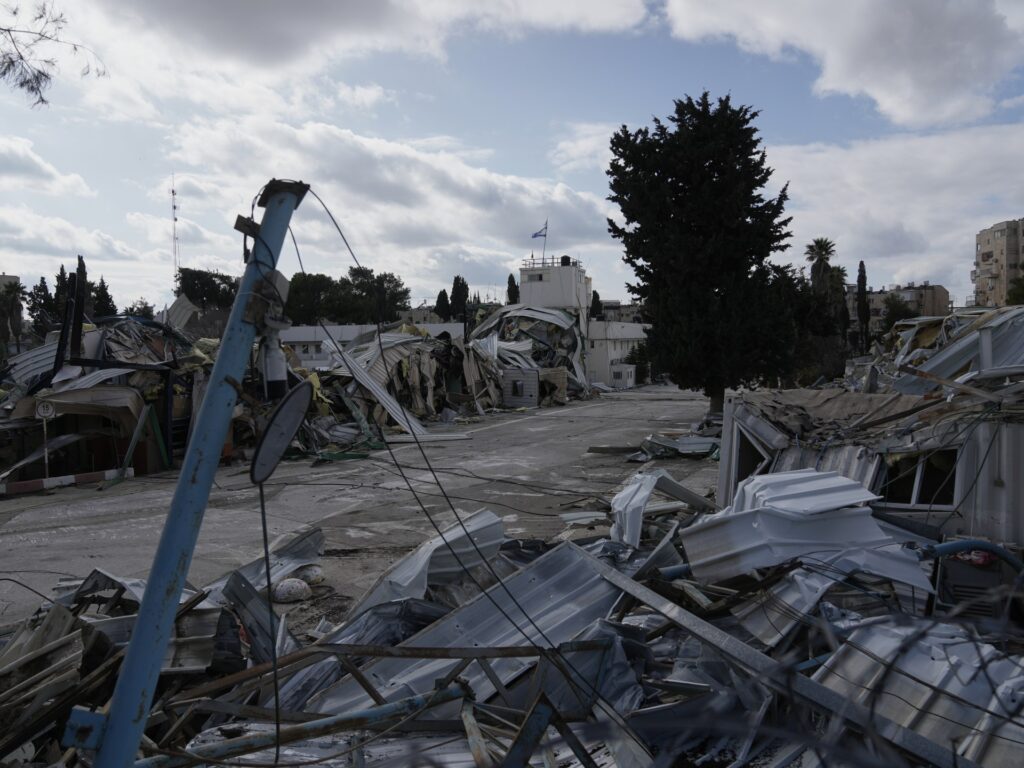
A recent demolition of the United Nations Relief and Works Agency (UNRWA) headquarters in East Jerusalem by Israeli authorities has sparked international outrage and condemnation from Palestinians and the UN. The UN agency, responsible for supporting Palestinian refugees, described the demolition as a “blatant breach of international law” and a disturbing indication of a “barbaric new era.”
The destruction of the UNRWA facility, located in a sensitive and contested area of East Jerusalem, has raised serious concerns about the humanitarian impact on thousands of Palestinian refugees who depend on the agency’s services. The head of UNRWA highlighted that the demolition undermines the efforts to provide support and protection to vulnerable communities, intensifying the hardships faced amid ongoing tensions.
Palestinian leaders have denounced the action as an attack on the rights and dignity of Palestinians, framing it as part of a broader pattern of Israeli policies aimed at weakening Palestinian institutions and presence in East Jerusalem. The demolition has been described as illegal under international law, particularly given the UN’s special status and the recognized protection afforded to humanitarian agencies.
International human rights organizations and legal experts have echoed these concerns, emphasizing that such demolitions violate multiple treaties and agreements intended to safeguard humanitarian operations and civilian infrastructure in occupied territories. They warn that this move could set a dangerous precedent, leading to further escalations and deterring future humanitarian efforts.
The Israeli government, however, maintains that the demolition was carried out based on legal grounds, citing violations related to construction permits. Nonetheless, critics argue that these justifications are often selectively applied and used to justify punitive measures against Palestinian communities.
The incident has fueled a broader debate over East Jerusalem’s status, a focal point of the Israeli-Palestinian conflict. The destruction of UN facilities is seen by many as exacerbating tensions and complicating peace efforts, while undermining the impartiality and neutrality of humanitarian work in the region.
UN Secretary-General and other international leaders have called for immediate investigations and have urged all parties to respect international law, protect humanitarian agencies, and prioritize the welfare of affected populations. The demolition is a stark reminder of the fragility of peace and the urgent need for renewed dialogue and resolution.
In conclusion, the demolition of the UNRWA headquarters in East Jerusalem marks not only a significant escalation in the Israeli-Palestinian conflict but also a profound challenge to international norms protecting humanitarian work. It underscores the urgent imperative for the international community to reaffirm commitments to human rights, legal protections, and support for those caught in conflict zones.
As the situation continues to develop, the world watches closely, hoping for a resolution that safeguards dignity, peace, and justice for the Palestinian people and all communities in the region.