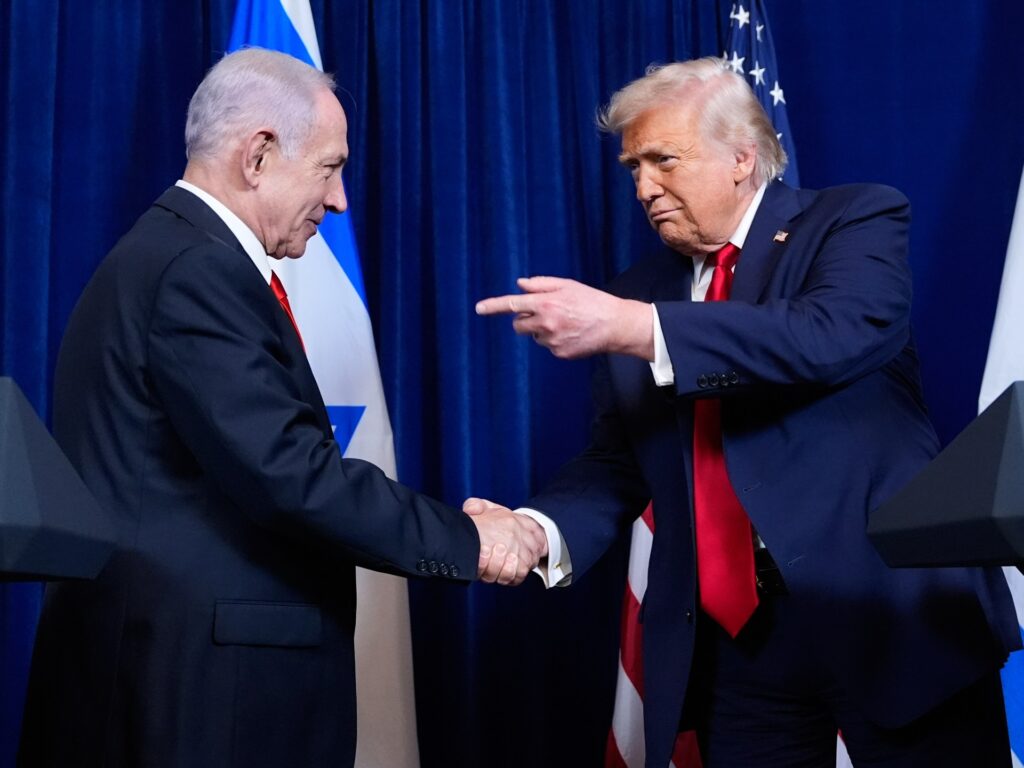
In a controversial development, Benjamin Netanyahu, Israel’s former Prime Minister widely referred to as a wanted war criminal by critics, has allegedly joined a newly formed Gaza ‘Board of Peace’. This unexpected move has sparked significant debate and reactions across international political and humanitarian circles.
Netanyahu, whose previous terms in office were marked by several military operations in Gaza and heightened tensions in the region, is now reportedly involved in an initiative aimed at fostering peace in the conflict-ridden Gaza Strip. The formation of the ‘Board of Peace’ is said to include various stakeholders, including both Israeli and Palestinian representatives, tasked with guiding peace efforts and overseeing humanitarian aid and reconstruction in Gaza.
Critics argue that Netanyahu’s involvement undermines the credibility of the peace board, citing his controversial role in past conflicts that resulted in substantial civilian casualties and widespread destruction. Human rights organizations that have labeled Netanyahu as a war criminal due to alleged violations in Gaza during his leadership have condemned this development.
Supporters, however, contend that Netanyahu’s participation could bring a pragmatic approach to peace negotiations, leveraging his extensive political experience to navigate the complex realities of Israeli-Palestinian relations. They argue that inclusive dialogue involving all influential actors is essential for any real progress.
The international community has taken note of this provocative event. Some governments and diplomats have expressed cautious optimism, hoping that Netanyahu will contribute constructively to ending the long-standing conflict. Meanwhile, others have called for closer scrutiny and accountability measures to ensure that the board’s efforts translate into tangible improvements for Gaza’s population.
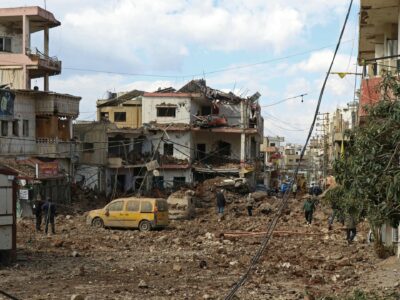
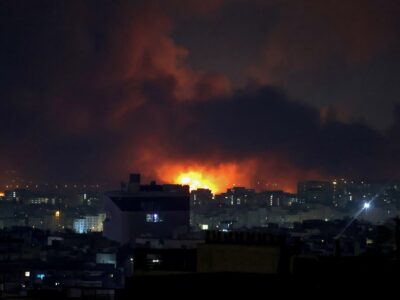
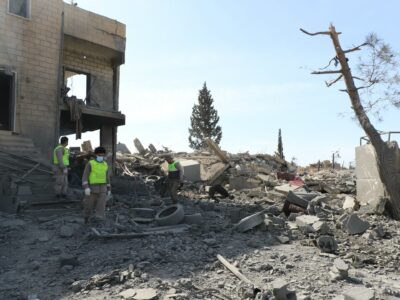
The Gaza Strip remains one of the most volatile regions globally, with frequent flare-ups in violence and a humanitarian crisis affecting millions. The newly established Board of Peace aims at addressing immediate relief needs while setting a long-term framework for reconciliation and rebuilding.
As this story develops, global observers await further details on the board’s mandate, composition, and strategies. Netanyahu’s role will likely remain contentious, reflecting the deeply divided sentiments surrounding his legacy and the enduring complexities of achieving peace in Gaza.
This breaking news highlights the intricate dynamics of Middle Eastern politics, where efforts for peace often intersect with historical grievances and contested leadership figures. The inclusion of a polarizing figure such as Netanyahu in peace initiatives raises profound questions about the paths toward resolution and justice in the region.