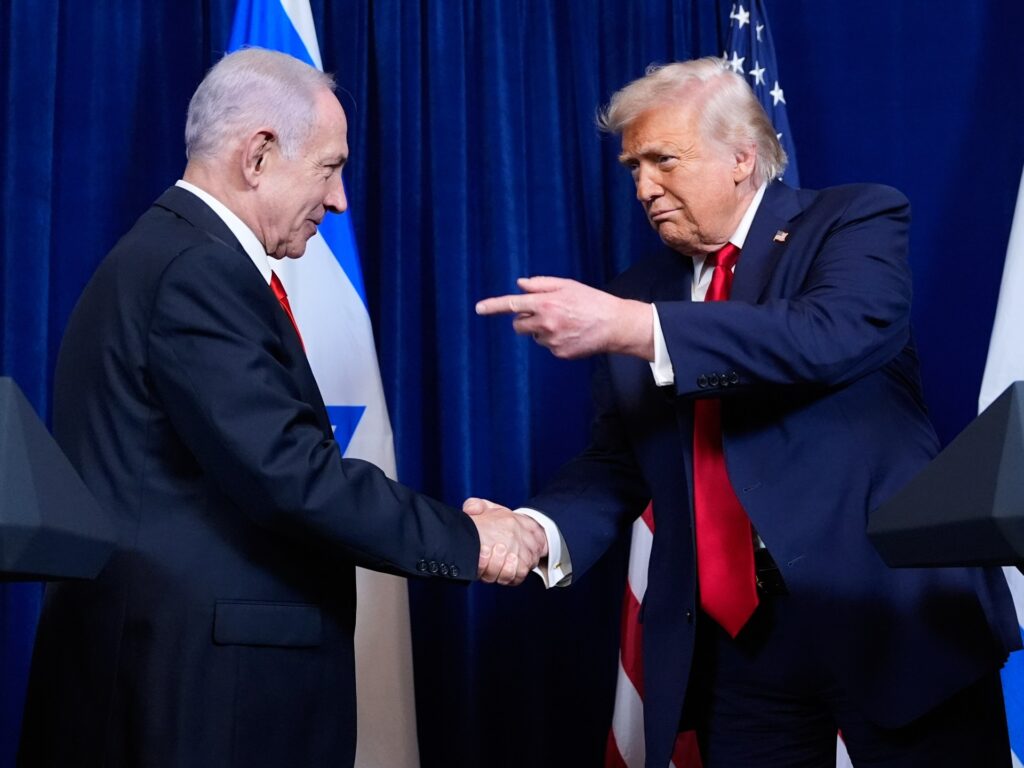
In a significant development in international diplomacy, Israeli Prime Minister Benjamin Netanyahu has announced his decision to join a newly formed ‘board of peace’. This board aims to foster dialogue, cooperation, and reconciliation among nations and conflicting parties, promoting stability and peaceful resolutions worldwide.
The initiative, which has garnered attention from global leaders, seeks to bring together influential figures committed to advancing peace and resolving long-standing conflicts through diplomatic means. Netanyahu’s participation is seen as a critical endorsement, given Israel’s central role in many geopolitical issues in the Middle East.
As part of the board, Netanyahu is expected to collaborate with other world leaders, diplomats, and peace advocates to develop strategic frameworks that can address complex regional and global challenges. The announcement has been met with cautious optimism by international observers who hope this move could lead to renewed peace efforts, particularly in volatile areas such as the Israeli-Palestinian conflict.
Analysts note that Netanyahu’s involvement might signal Israel’s willingness to engage more actively in multilateral peace efforts and could pave the way for new negotiations or agreements.
The formation of the ‘board of peace’ and Netanyahu’s joining it may also influence domestic politics in Israel, with potential impacts on forthcoming electoral or policy decisions.
While details about the board’s specific goals, membership, and strategies remain emerging, stakeholders worldwide are watching closely to see how this initiative might shape the future of peace diplomacy.
This breaking news marks a potentially historic moment, underscoring the ongoing complexities of peacebuilding and the importance of collaborative leadership in addressing global conflicts.