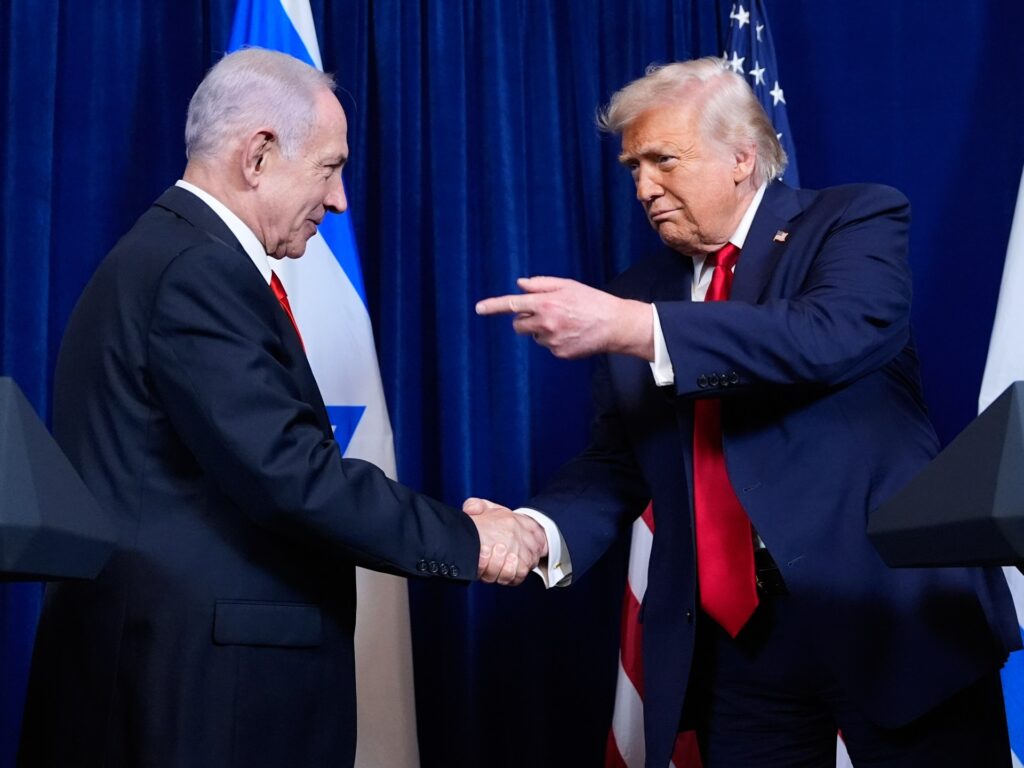
In a significant development in international politics, Israeli Prime Minister Benjamin Netanyahu has announced that he will be joining the ‘Board of Peace,’ a prominent international peace initiative aimed at fostering dialogue and resolving conflicts between nations. This move is seen as a bold step in Netanyahu’s diplomatic efforts to enhance peace and stability in the Middle East.
The ‘Board of Peace’ is comprised of influential leaders, diplomats, and peace advocates who work together to promote conflict resolution through cooperation and negotiation rather than military means. By joining this board, Netanyahu aligns himself with a wider global movement toward peaceful solutions in a region frequently marked by tension and violence.
Netanyahu’s participation in the board is expected to impact ongoing peace talks and could potentially open new channels for dialogue between Israel and its neighbors. The decision has received mixed reactions internationally; supporters commend the move as a positive step towards peace, while critics remain skeptical about its effectiveness given the complex geopolitical realities.
Experts believe that Netanyahu’s role in the Board of Peace might spur increased diplomatic engagements and provide Israel with a platform to voice its perspectives on regional security and peace initiatives. Furthermore, this development underscores an evolving approach in Netanyahu’s leadership, possibly indicating a willingness to explore more collaborative and less confrontational paths toward conflict resolution.
The announcement was made during a joint press conference with members of the Board of Peace, where Netanyahu expressed his commitment to working alongside other board members to achieve lasting peace. He highlighted the importance of dialogue, mutual understanding, and respect among nations as cornerstones for global stability and security.
In addition to Netanyahu, the board includes leaders from various countries known for their peace advocacy, making it a diverse and influential forum for addressing international conflicts. The hope is that such collective efforts will enhance diplomatic relations and contribute to a more peaceful world order.
As Netanyahu embarks on this new role, observers will be closely watching how his involvement influences the dynamics of peace negotiations in the Middle East and beyond. The international community remains cautiously optimistic that this initiative will foster meaningful progress toward enduring peace and cooperation.