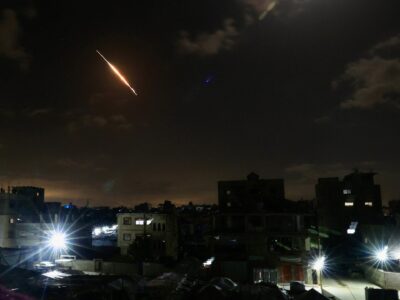
In a dramatic and complex turn of events amid the ongoing conflict in Gaza, Israel has launched fresh strikes against targets in the region. These military actions include artillery fire, gunship attacks, and demolitions in Gaza, a territory already ravaged by war. This escalation comes as Israeli Prime Minister Benjamin Netanyahu has accepted a position on a newly formed ‘board of peace’ proposed by the United States, aimed at fostering a resolution to the conflict.
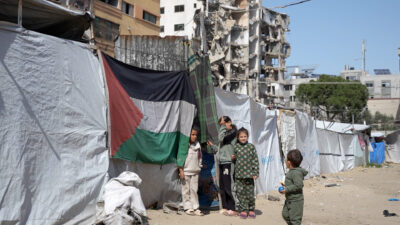
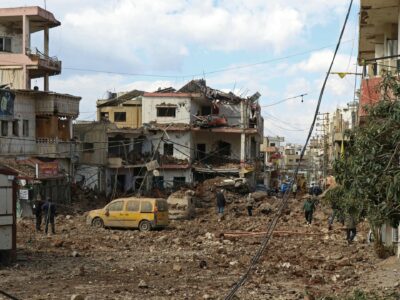
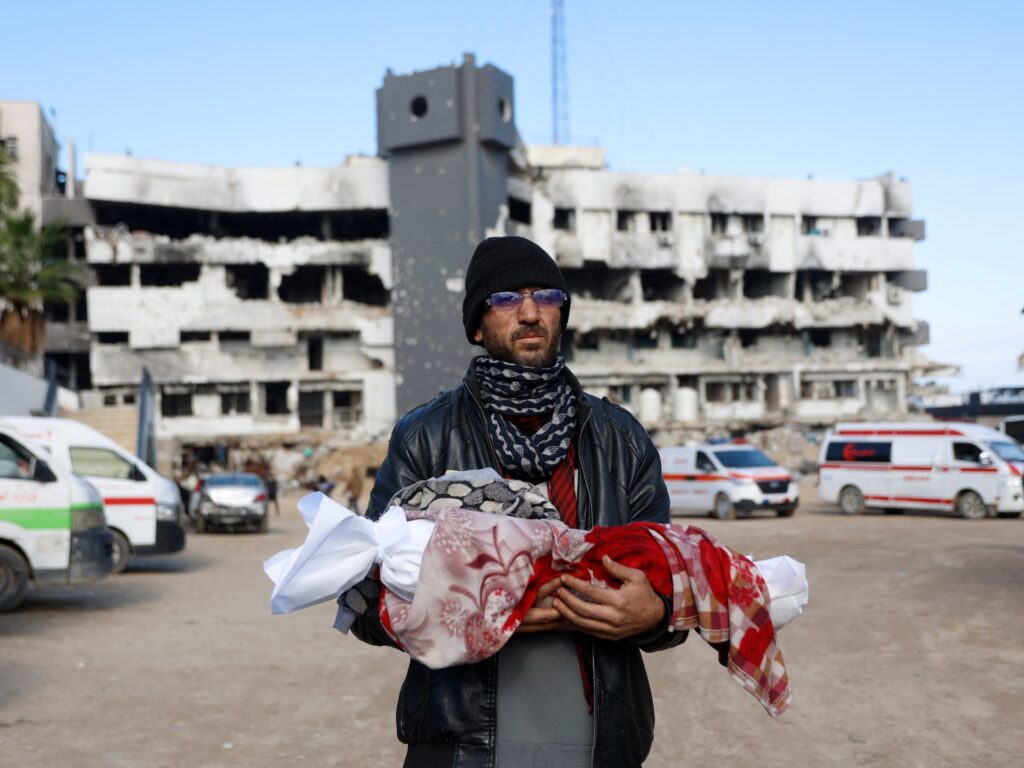
The attacks reflect the persistent violence and insecurity plaguing Gaza, where hostilities have inflicted severe damage on civilian infrastructure and caused widespread suffering. The artillery shelling and aerial gunship assaults contribute to the already precarious humanitarian situation reported by various international organizations.
Prime Minister Netanyahu’s involvement on the ‘board of peace’ signals an attempt to shift from military confrontation towards dialogue and negotiation. The US-led initiative seeks to bring together stakeholders with the goal of facilitating peace and stability in the region. However, the simultaneous continuation of military operations highlights the challenges and contradictions faced by all parties involved.
The ‘board of peace’ is expected to include representatives from the Israeli government, Palestinian authorities, and international mediators. Its mission is to establish a framework for ceasefire agreements, address key concerns such as security, border controls, and humanitarian aid, and promote long-term solutions for peaceful coexistence.
Experts note that Netanyahu’s acceptance of a peace role may endorse the legitimacy of diplomatic efforts even as violence continues, reflecting the multi-faceted nature of the conflict. Critics, however, worry that ongoing strikes undermine trust between parties and complicate peace negotiations.
Gaza residents remain caught in the crossfire as military operations increase tensions and the peace process faces uncertain prospects. The destruction wrought by the recent strikes exacerbates displacement, disrupts essential services, and deepens the humanitarian crisis.
International reactions to the developments are mixed. Some countries express cautious optimism about the potential for renewed talks through the ‘board of peace,’ while others condemn the violence and call for immediate cessation of hostilities.
As Israel continues its campaign of strikes, attention turns to the effectiveness of diplomatic channels and the resilience of efforts aimed at ending decades of conflict. The coming weeks will be crucial in determining whether the peace initiative can gain traction or if violence will further entrench divisions.
This situation underscores the complexities of achieving peace in regions marked by deep historical grievances and ongoing security concerns. The dual reality of advancing military operations alongside diplomatic overtures epitomizes the difficult path ahead for leaders and citizens alike seeking an end to the turmoil in Gaza.