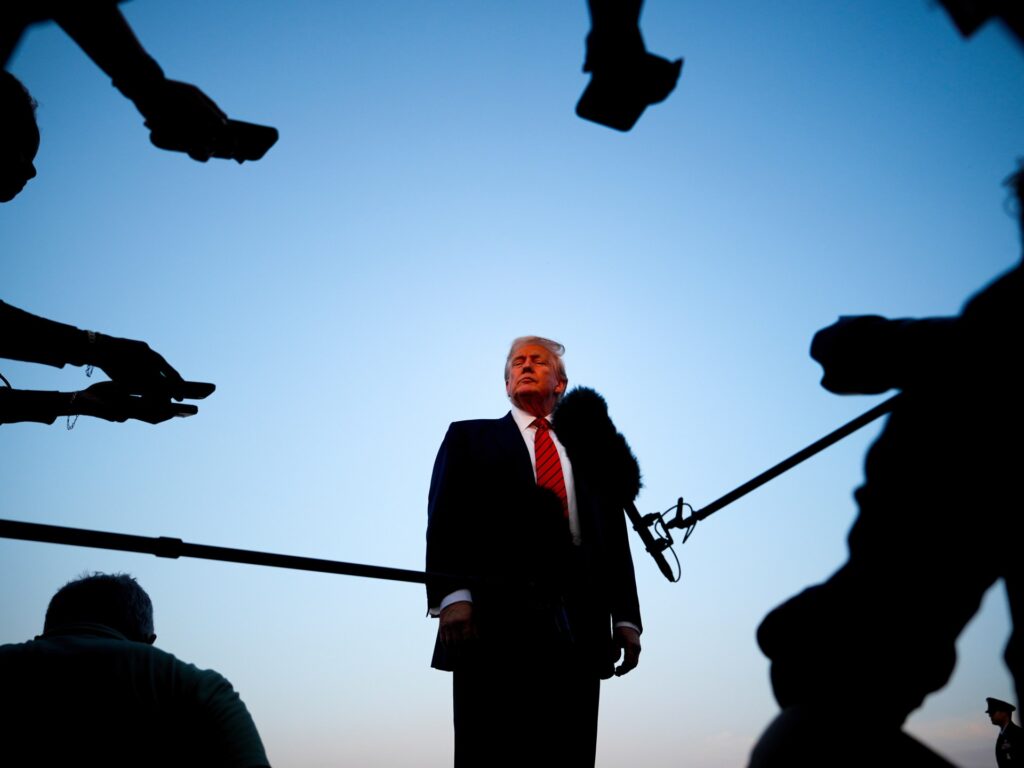
In the first year of his presidency, Donald Trump quickly ran afoul of his initial antiwar pledges, a development that the Democratic Party is now poised to exploit politically. Despite vows to avoid new military entanglements, Trump’s administration adopted a more aggressive foreign policy stance, particularly with increased tensions and interventions in regions such as Venezuela and Greenland. Democratic leaders have signaled that they intend to leverage this perceived contradiction to challenge the Trump administration, especially as inflation and the cost of living continue to trouble American voters.
Throughout his campaign and initial presidential promises, Trump positioned himself as an outsider committed to ending what he called “endless wars.” However, his first year in office saw a shift towards a more traditional assertive military posture, drawing criticism from both antiwar advocates and opposition politicians. The situation in Venezuela, where the Trump administration took a hardline approach by supporting opposition forces and contemplating military options, marked a stark departure from noninterventionist rhetoric.
Similarly, the controversial interest in acquiring Greenland sparked debates over the administration’s motives and intentions, with Democrats casting these moves as distractions from domestic hardships rather than genuine foreign policy strategy. These issues, alongside economic concerns like affordability and rising prices, form the cornerstone of the Democratic critique against Trump.
Party leaders have committed to sustained pressure on Trump by highlighting inconsistencies between his campaign promises and governance. The strategy involves focusing public discourse on the economic struggles Americans face, while concurrently invoking foreign policy missteps as evidence of flawed leadership. This dual approach aims to galvanize voter sentiment ahead of upcoming elections, framing the Trump administration as out of touch with the needs and realities of ordinary citizens.
Moreover, Democrats argue that Trump’s foreign policy decisions not only undermine America’s global standing but also divert crucial attention and resources away from pressing domestic issues such as healthcare, education, and economic inequality. By combining economic grievances with foreign policy critique, Democrats hope to create a comprehensive narrative to reclaim political ground.
As the midterm elections approach, the battle over Trump’s record on war and affordability promises to be a defining feature of political debate. The opposition’s plans to hammer Trump on these fronts underscore the broader partisan divide and highlight the ongoing struggle to shape public opinion in a deeply polarized political environment. Whether this strategy will yield significant political gains remains to be seen, but it nonetheless signals a determined effort by Democrats to challenge Trump’s leadership and policy outcomes across multiple domains.