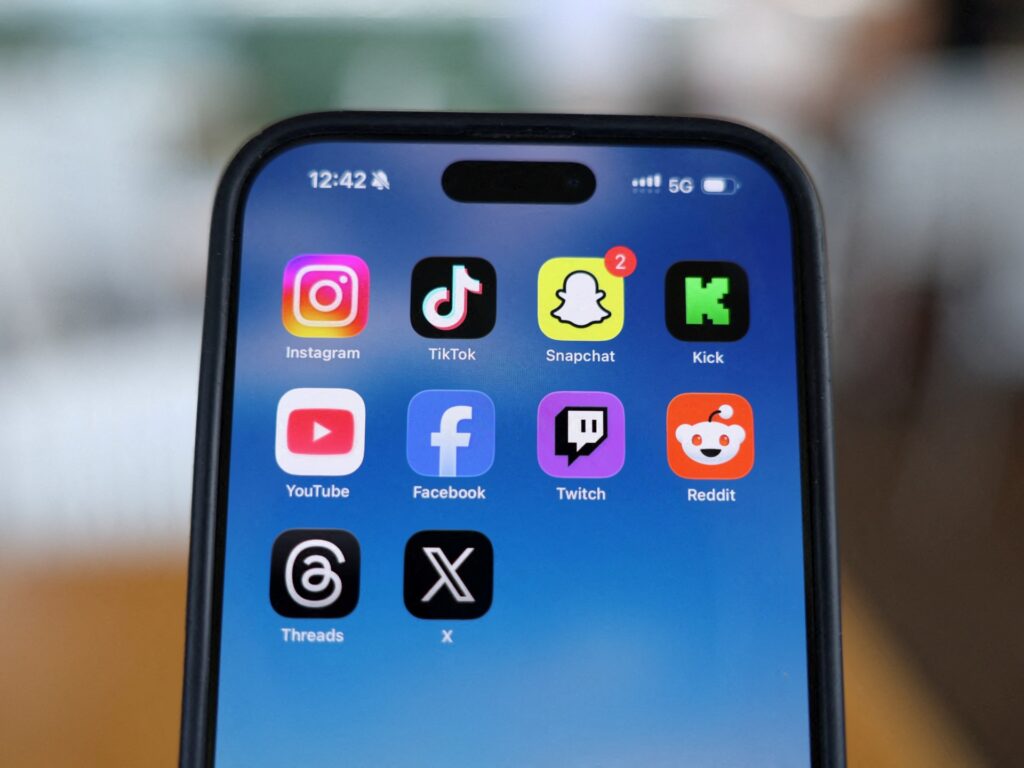
The UK government is exploring the possibility of implementing a social media ban for children under the age of 16, similar to a policy recently introduced in Australia. UK ministers are set to visit Australia to study the impacts and operational aspects of Australia’s social media ban, which came into effect last month, marking one of the first major moves globally to restrict minors from accessing platforms like Instagram and Facebook.
The Australian ban was motivated by growing concerns about the negative effects of social media on children’s mental health and well-being. It seeks to protect young people from online harms such as cyberbullying, exposure to inappropriate content, and privacy risks. The UK is currently reviewing evidence and expert opinions on children’s use of social media, and this visit will help inform the development of potential legislation.
Child mental health experts and advocacy groups have long warned about the risks posed by unrestricted social media access. Studies have linked excessive use of social media among youths to issues such as anxiety, depression, body image concerns, and impaired social development. Governments worldwide are under increasing pressure to regulate tech companies more strictly in their handling of children’s data and content.
The UK government’s review includes consultations with educators, parents, children, and tech industry representatives to gauge the feasibility and possible effects of such a ban. Australia’s recent experience provides a case study on enforcement challenges, technological solutions like age verification, and the public’s reaction to imposing restrictions on social media access for minors.
Some critics argue that a ban could push children towards less regulated platforms or encourage deceptive behavior like falsifying ages to create accounts, thus highlighting the importance of complementary educational programs and parental controls. Nonetheless, advocates believe that legislative steps play a vital role in safeguarding young minds and encouraging healthier online habits.
If the UK adopts a similar ban, it would position itself among the first countries to take direct regulatory action on social media use by children. This move may prompt other nations to consider similar measures, contributing to a broader global rethink about the role of social media in young people’s lives and the responsibilities of technology companies to protect vulnerable users.
The UK ministers’ visit to Australia is expected to last several days, involving meetings with government officials, mental health experts, educators, and social media companies. Outcomes from the visit will likely influence the UK’s regulatory approach, potentially culminating in new laws or guidelines to be introduced within the coming year.
This initiative underscores the increasing recognition of the complex challenges posed by digital technologies and the importance of collaborative international efforts to address them effectively. As social media continues to evolve, governments are seeking balanced solutions that protect children while respecting freedom of expression and technological innovation.