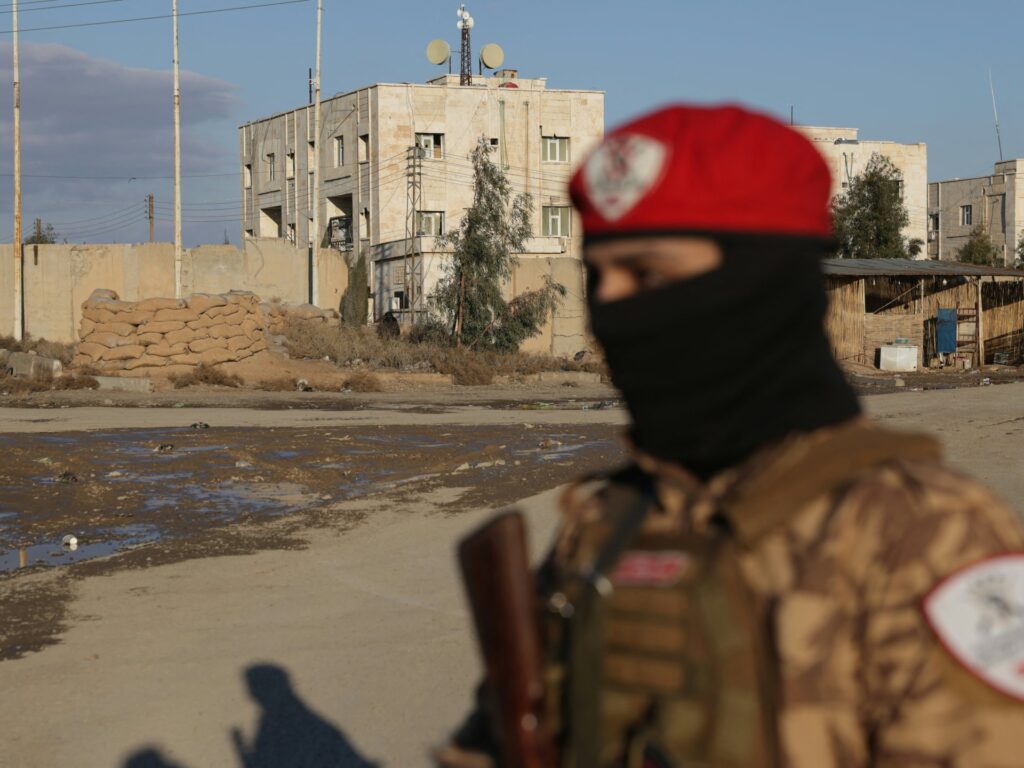
Recent developments in Syria have once again highlighted the fragile security situation in the region. The Syrian army and the Syrian Democratic Forces (SDF) recently engaged in clashes, challenging a fragile ceasefire agreement aimed at reducing hostilities in the conflict-ridden area. These skirmishes underscore the ongoing tensions and complexities involved in maintaining peace amidst multiple armed factions.
In a related development, Syria’s Interior Ministry announced that they have successfully recaptured 81 ISIL detainees who had previously escaped from a prison. Reports indicate that approximately 120 ISIL fighters managed to break free, raising serious concerns about the threat they pose to regional stability.
The escape and subsequent recapture of such a large number of ISIL fighters demonstrate the persistent challenges Syrian authorities face in controlling militant activity. ISIL, also known as the Islamic State, continues to conduct insurgent operations despite losing most of its territorial control in Syria.
The clashes between the Syrian army and the SDF, coupled with the breakout from the prison, reveal gaps in security and the delicate nature of ceasefire enforcement in northeastern Syria. The Syrian government forces and the SDF, a US-backed Kurdish-led coalition, have a complex relationship marked by cooperation as well as rivalry. Both parties are strategically important in the fight against extremist groups but also have differing political goals.
The Interior Ministry’s statement provides crucial information about the ongoing law enforcement efforts. Capturing 81 out of 120 escaped detainees is a significant feat but leaves concerns over the remaining fighters who remain at large and potentially active.
These recent events come amid broader geopolitical tensions in Syria, involving multiple international actors with vested interests. The region continues to grapple with the aftermath of a devastating civil war, compounded by the presence of militant groups like ISIL and the complex interplay of local and foreign forces.
Restoring security and stability in Syria requires sustained efforts to strengthen prison security, improve ceasefire monitoring mechanisms, and address the root causes of conflict. The current incident serves as a stark reminder of the fragile state of peace and the ongoing threats posed by extremist factions.
Continued vigilance and cooperation among Syrian forces, including the government and the SDF, as well as international partners, remain critical in preventing further destabilization. The recapture of the ISIL detainees signals a hard-fought but necessary step towards reclaiming control and safeguarding communities.
In conclusion, the recent clashes and detainee escape highlight the volatility in northeastern Syria. While progress has been made, significant challenges remain. Comprehensive strategies involving security, political dialogue, and humanitarian assistance are essential to move towards long-term peace and stability in the war-torn nation.