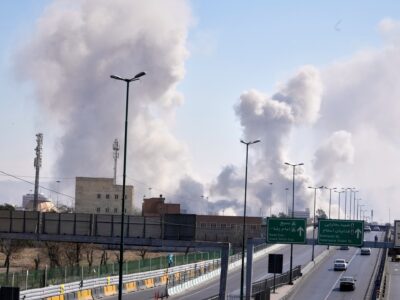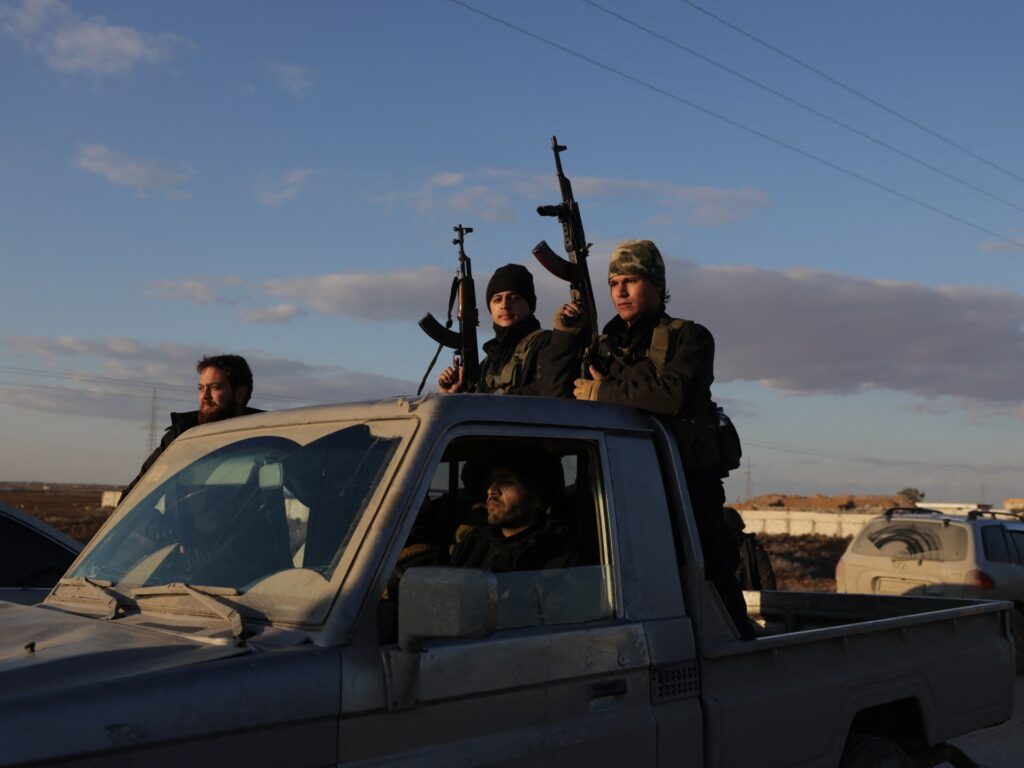
The situation in Syria continues to be volatile and complex as recent events in Hasakah have intensified the conflict, putting a fragile ceasefire under considerable duress. The Syrian army’s move into Hasakah marks a significant development in the ongoing fighting, raising concerns about the stability and future of the region.
In a troubling incident, approximately 200 ISIL detainees escaped from the al-Shaddadi prison, which has further complicated the security dynamics in northeastern Syria. This mass breakout has ignited a wave of accusations from various factions, each blaming the other for facilitating or directly causing the escape.
The ceasefire, intended to provide a window for political dialogue and humanitarian relief, is now facing unprecedented challenges as fighting rages anew in Hasakah. The army’s push into this strategic area is seen by some observers as a decisive effort to regain control and limit ISIL’s influence, while others warn it could escalate the conflict further.
Al-Shaddadi prison, previously considered a secure facility for detaining ISIL fighters, has now become a focal point of controversy. The escape of detainees has sparked fear of a resurgence of ISIL activities and potential attacks, destabilizing an already fragile security environment.
The tit-for-tat allegations surrounding the jailbreak reflect the deeply fractured nature of Syria’s political and military landscape. Various armed groups, local authorities, and international actors accuse each other of either orchestrating or neglecting to prevent the escape, highlighting the murky and complicated alliances and enmities in the region.
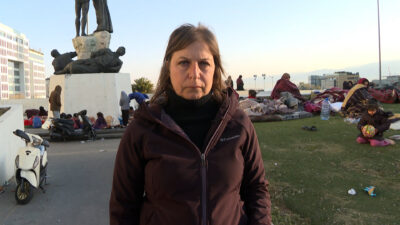
Meanwhile, humanitarian conditions in Hasakah and surrounding areas remain dire as civilians face displacement, shortages of food and medical supplies, and damage to critical infrastructure. The increased hostilities undermine ongoing efforts by humanitarian organizations to assist vulnerable populations caught in the crossfire.
International reactions have underscored the urgency of de-escalating the conflict and recommitting to ceasefire agreements. Calls for dialogue and negotiations have been reiterated by the United Nations and various foreign governments, emphasizing that a military solution alone cannot resolve the Syrian crisis.
As the Syrian army advances into Hasakah, the balance between military objectives and the protection of civilians remains a critical concern. The recent events underscore the fragile nature of peace efforts and the complexity of restoring order amid ongoing hostilities and fragmented control of territory.
The escape from al-Shaddadi prison serves as a stark reminder of the persistent threats posed by extremist groups in Syria. The ability of ISIL to regroup or capitalize on security lapses could have significant implications for regional stability and the fight against terrorism.
Observers note that the situation requires a coordinated response that includes restoring security, supporting governance, and addressing the underlying causes of conflict. Without such a comprehensive approach, the risk of further escalation and humanitarian suffering remains high.
In summary, the current fighting in Syria, marked by the army’s advance into Hasakah and the dramatic escape from al-Shaddadi prison, illustrates the precarious state of affairs. The ceasefire, while still nominally in place, is under severe strain with increasing violence and mutual accusations among the multiple armed and political factions involved.
The international community’s role in facilitating dialogue and ensuring accountability will be crucial in navigating this challenging phase. The priority remains protecting civilians, preventing the resurgence of extremist groups, and paving the way for a sustainable political resolution to the protracted conflict in Syria.